Two different hormones, not two versions of one
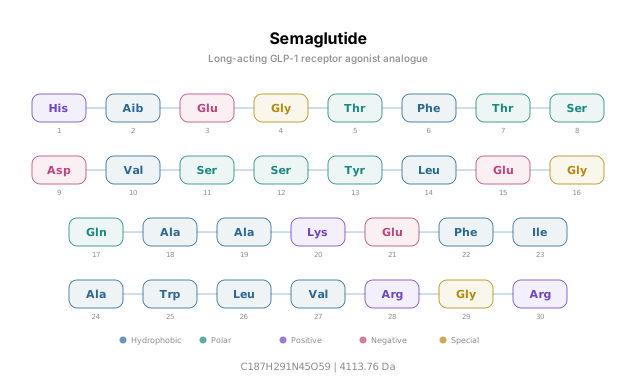
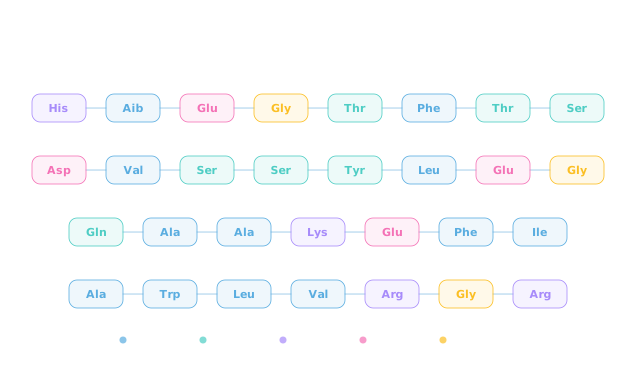
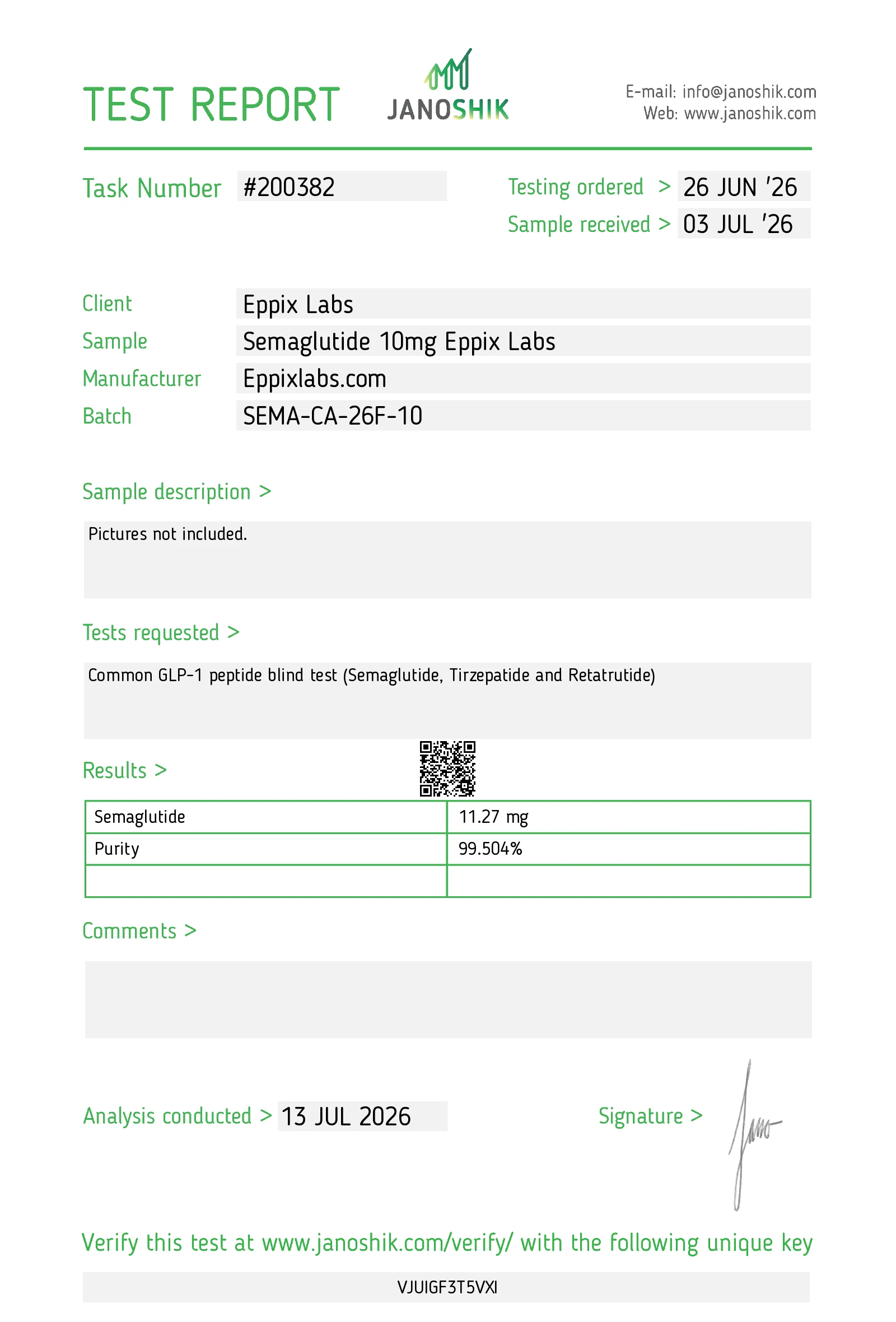
Semaglutide is an analogue of GLP-1, an incretin released from the gut in response to a meal. Its documented actions run through the GLP-1 receptor: glucose-dependent insulin secretion, slowed gastric emptying, and central effects on satiety.[1] The molecule is engineered for a long half-life with DPP-4-resistant substitutions and albumin-binding acylation.[4]
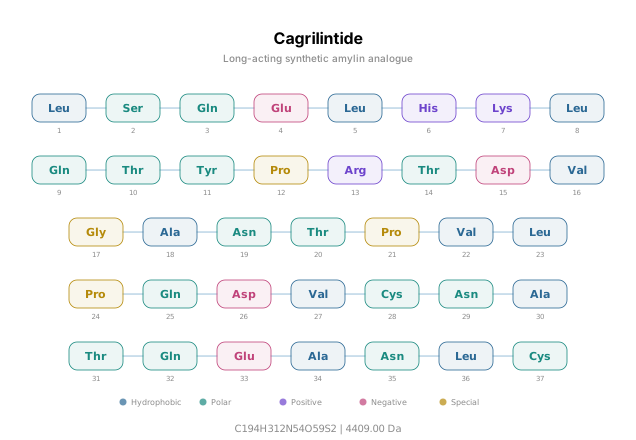
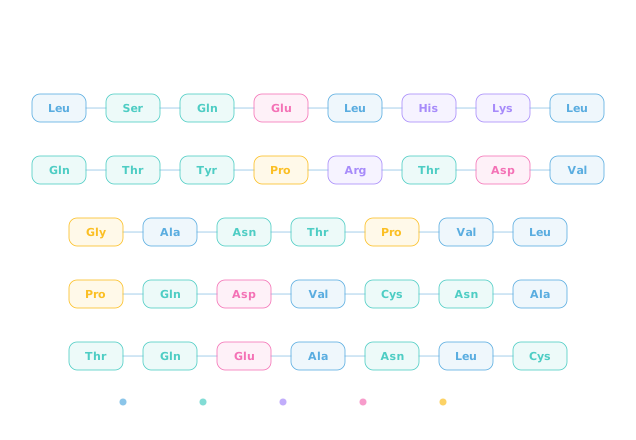
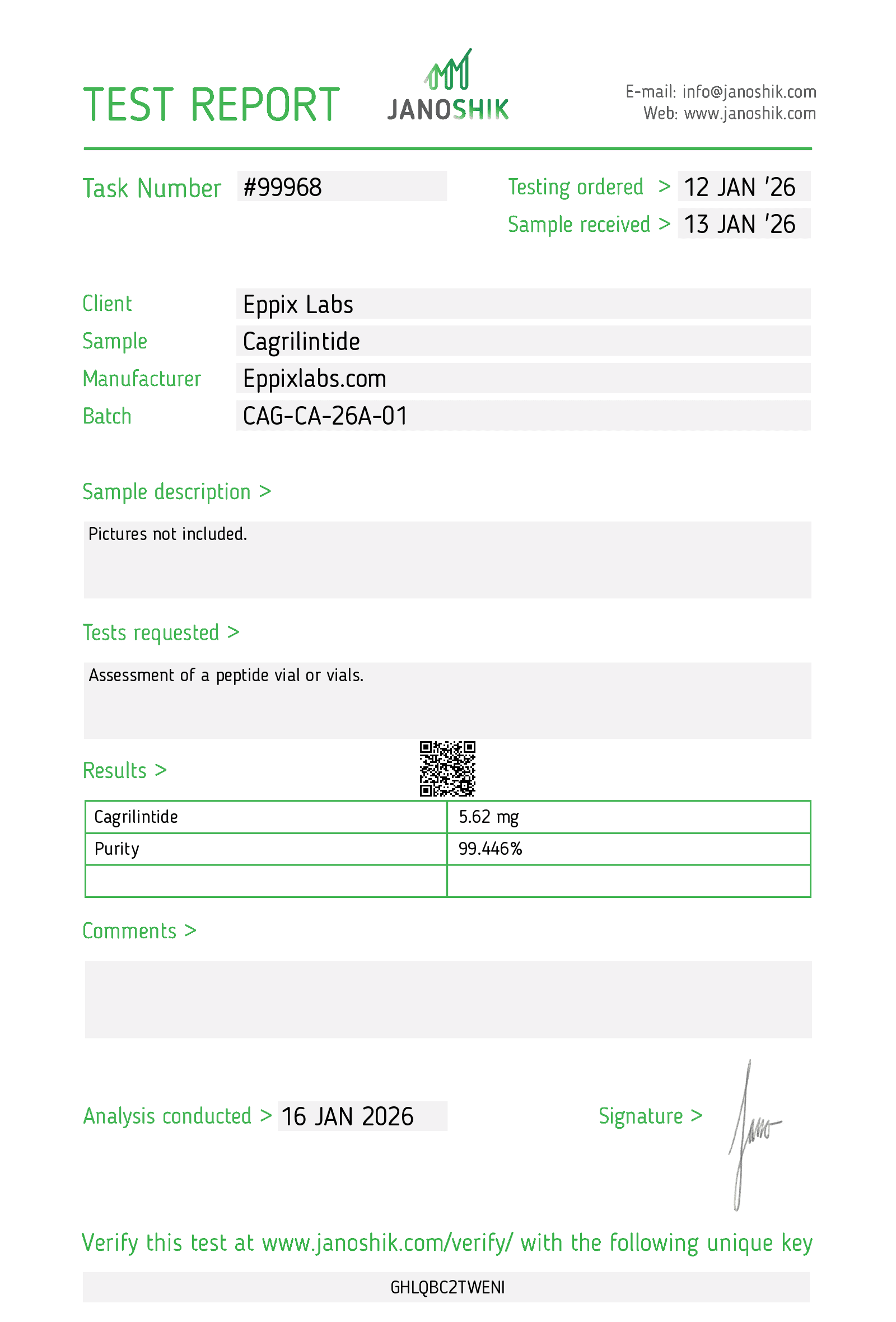
Cagrilintide is a long-acting analogue of amylin, a 37-residue hormone co-secreted with insulin by pancreatic beta cells. Amylin signals through a receptor family built from the calcitonin receptor in complex with receptor activity-modifying proteins, and its documented role is satiation signalling and the regulation of gastric emptying.[5]
That is the substance of the comparison. These are not two GLP-1 analogues with different half-lives. They are agonists at unrelated receptor families that happen to converge on overlapping physiological endpoints, which is precisely the property that makes combining them interesting rather than redundant.