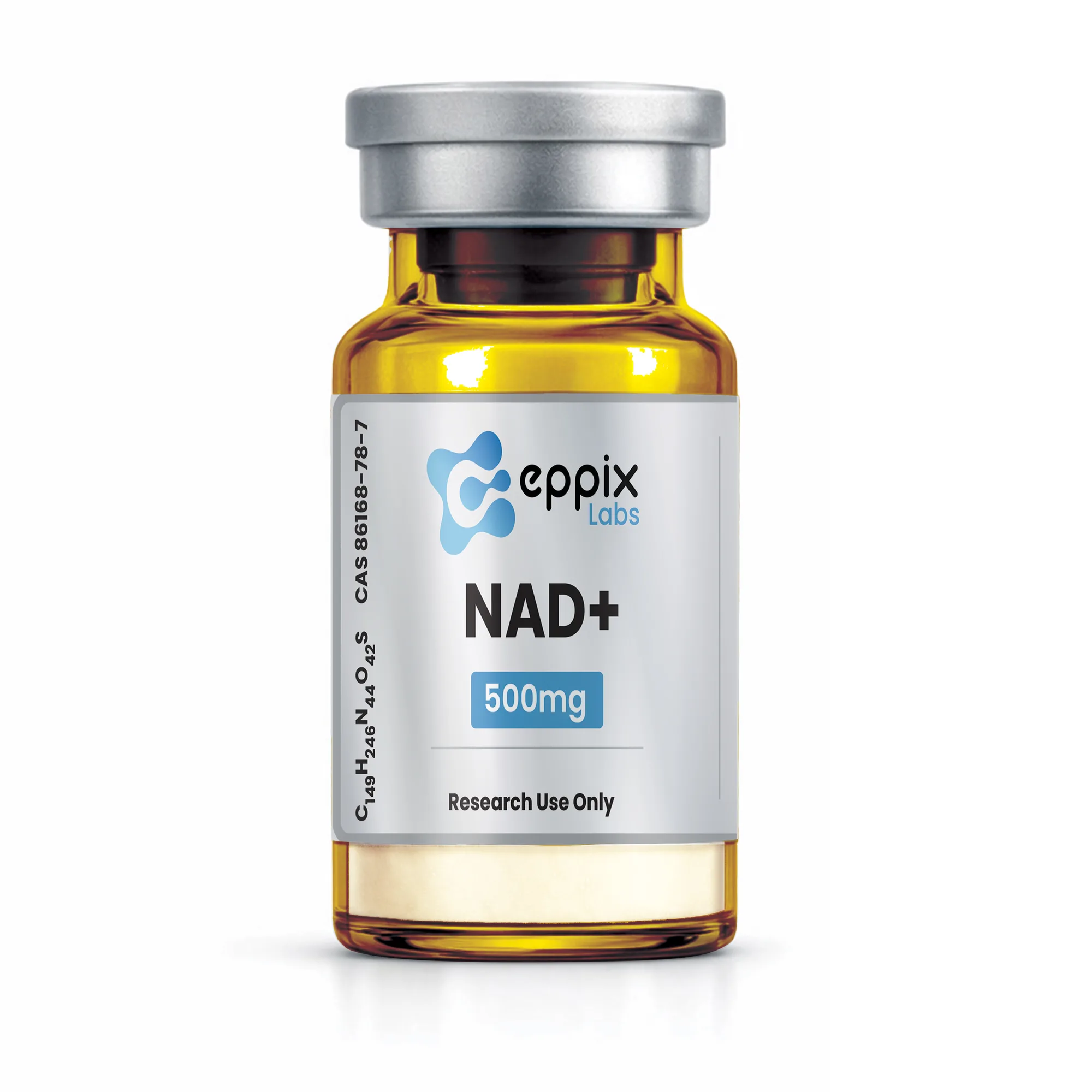
Nicotinamide Adenine Dinucleotide Research Compound
NAD+ (nicotinamide adenine dinucleotide) is a coenzyme found in all living cells and plays a central role in cellular redox reactions. It is supplied for controlled laboratory research involving metabolic and mitochondrial signaling systems.
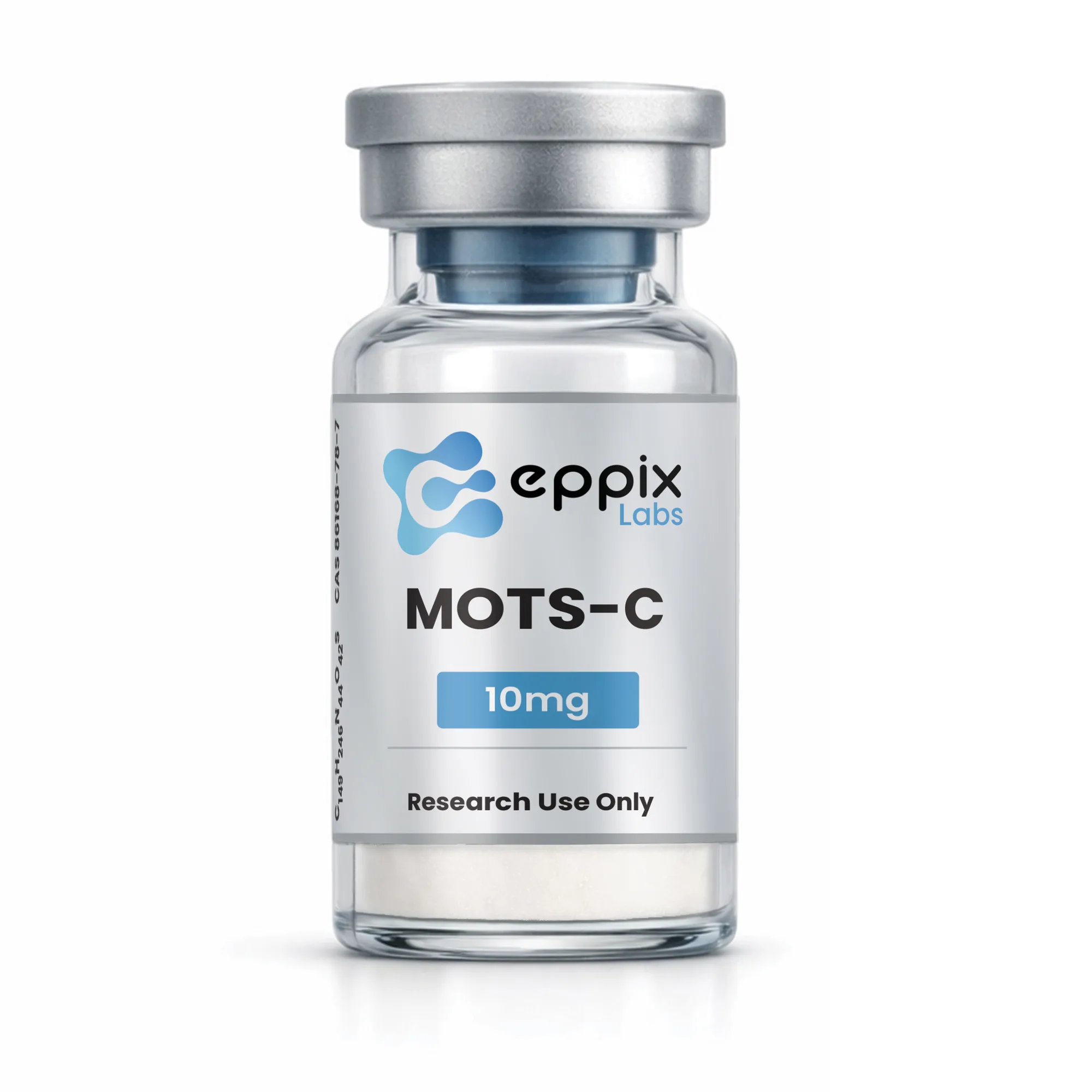
Mitochondrial-Derived Peptide
MOTS-c (Mitochondrial Open Reading Frame of the 12S rRNA-c) is a mitochondrial-derived peptide identified through genomic analysis of mitochondrial DNA. It is synthesized for controlled laboratory research and studied within experimental environments focused on cellular and metabolic signaling.
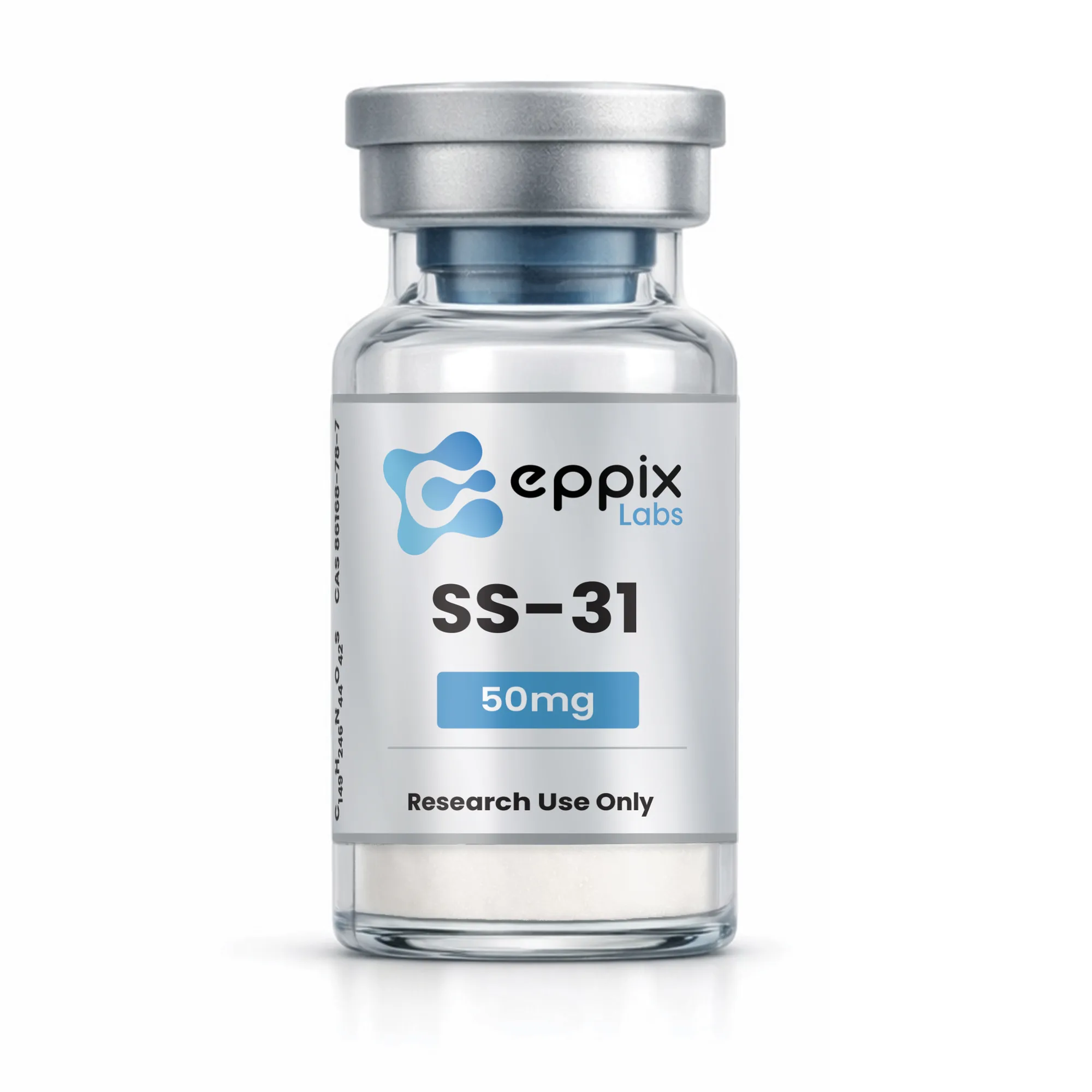
Mitochondria-Targeted Peptide Research Compound
SS-31 is a synthetic tetrapeptide designed for controlled laboratory research involving mitochondrial-associated signaling systems. It is also known in scientific literature as elamipretide.
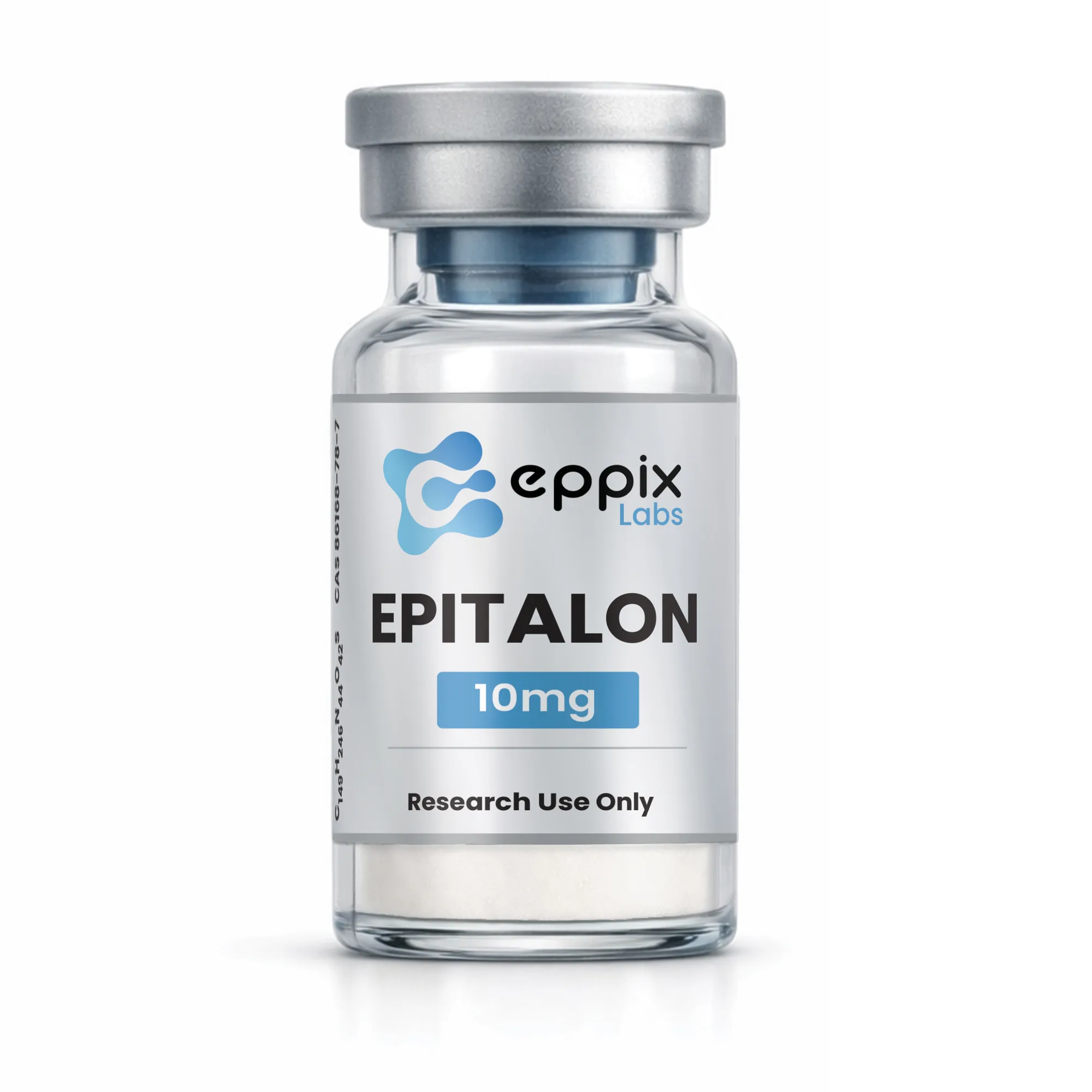
Synthetic Tetrapeptide Research Compound
Epitalon, also known in scientific literature as Epithalon, is a synthetic tetrapeptide composed of alanine–glutamic acid–aspartic acid–glycine (Ala-Glu-Asp-Gly). It is developed for controlled laboratory research involving peptide-mediated regulatory systems.
Thymic Peptide Research Compound
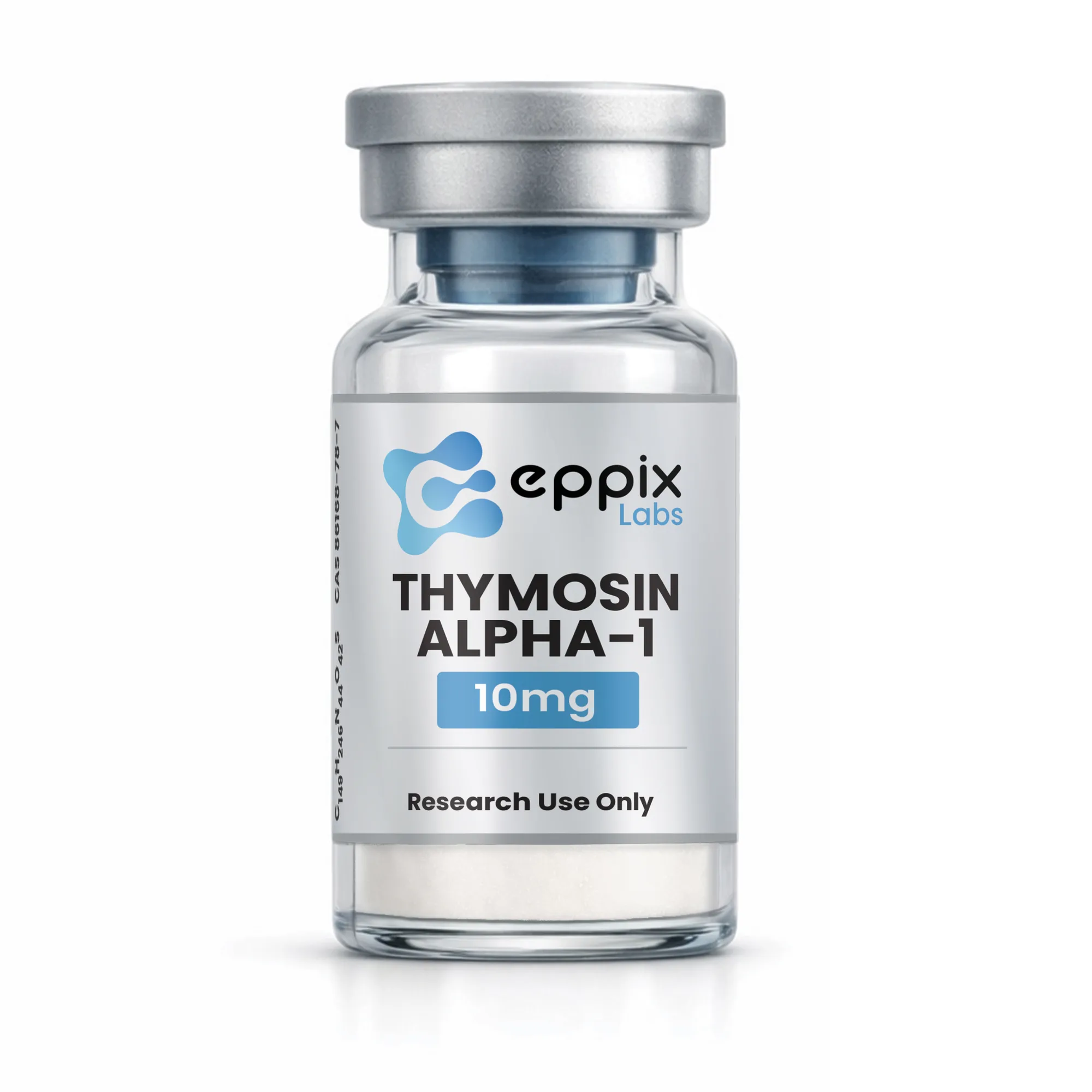
Thymosin Alpha-1 is a synthetic peptide analogue of a naturally occurring thymic hormone involved in immune signaling research. It is developed for controlled laboratory investigation within experimental environments.
Peptide Bioregulator
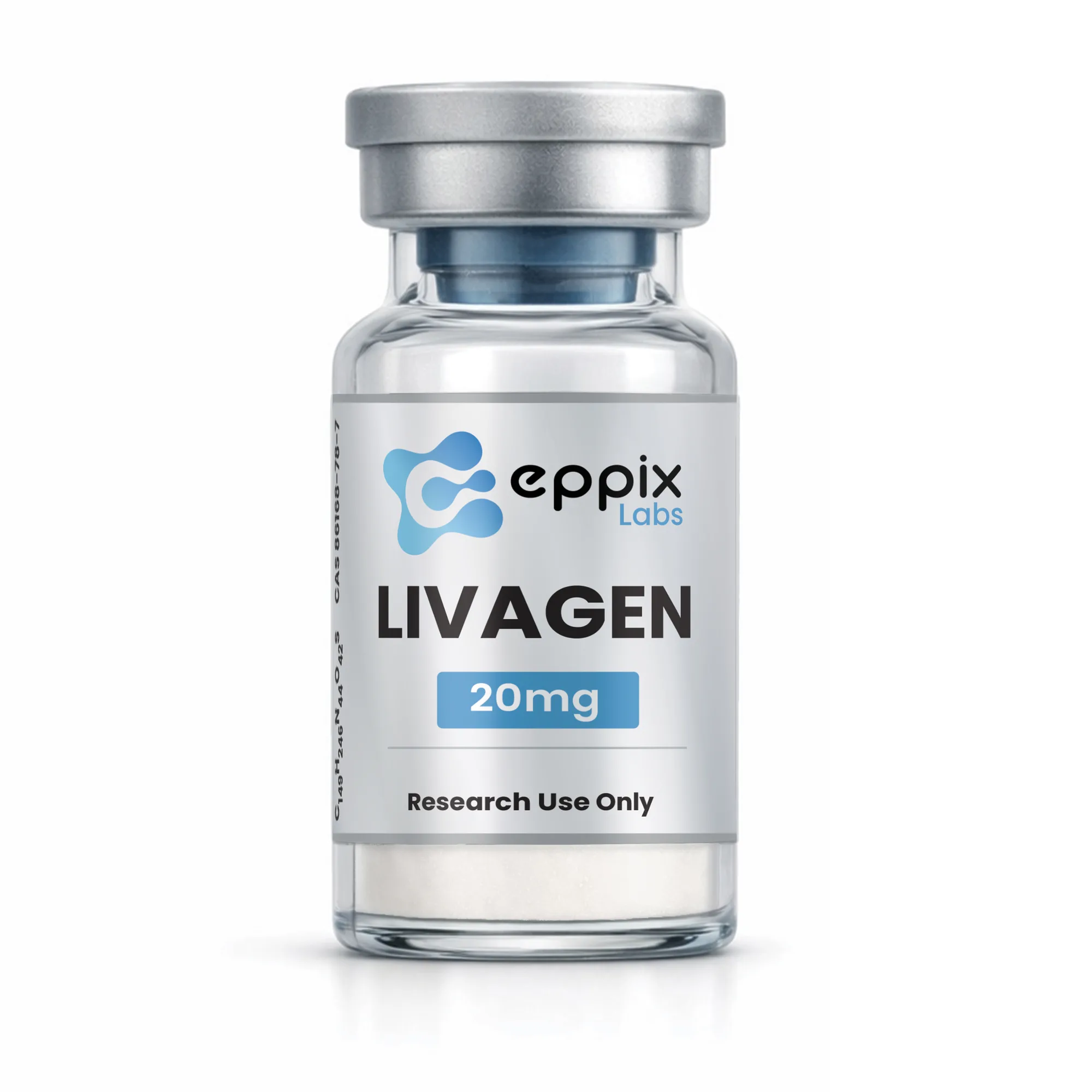
Livagen is the tetrapeptide Lys-Glu-Asp-Ala, studied in research on hepatic tissue models and on chromatin activation in lymphocytes.
Peptide Bioregulator
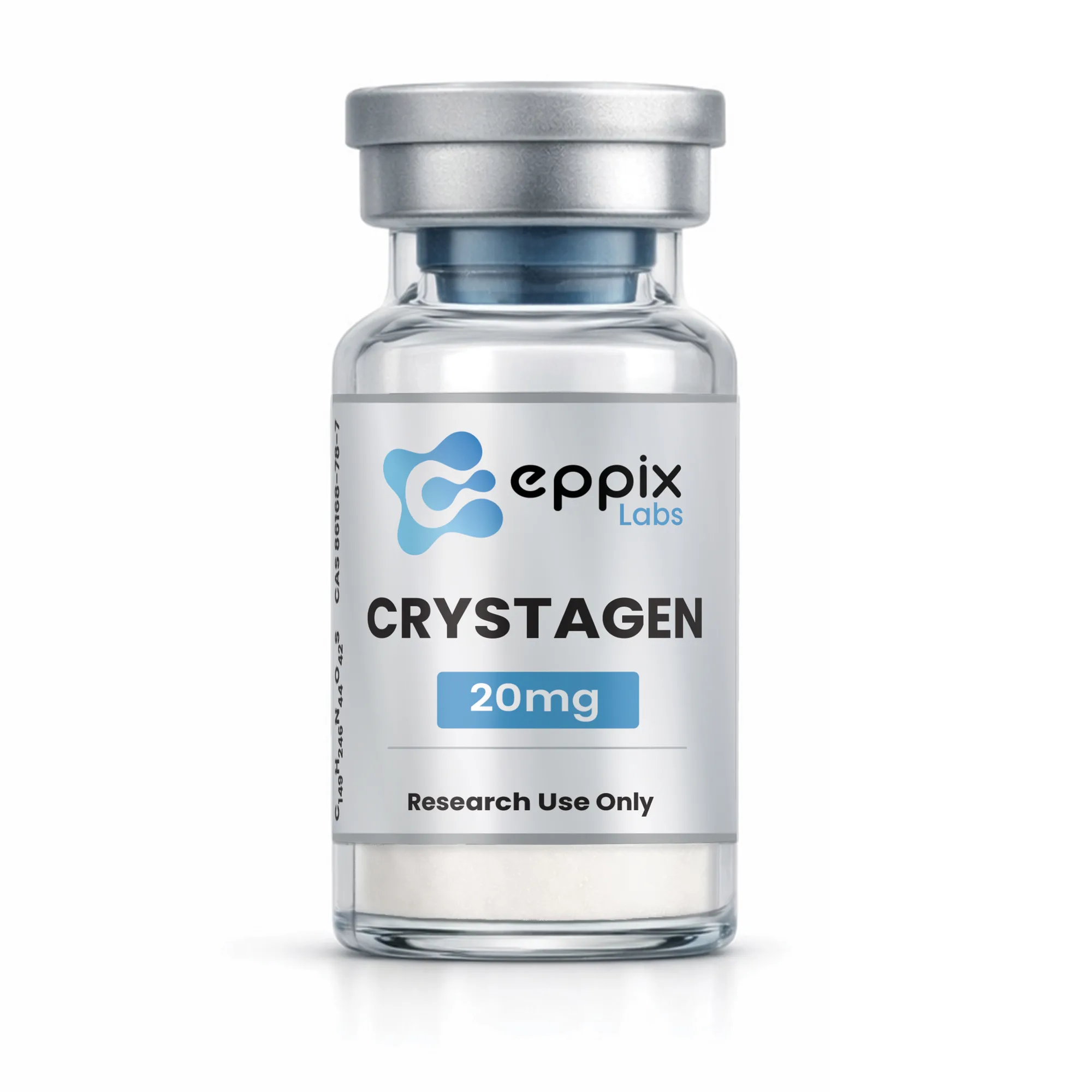
Crystagen is a short synthetic peptide of the bioregulator class, supplied as the tripeptide Glu-Asp-Pro and studied in research on immune-tissue models.
Peptide Bioregulator
Ovagen is a short synthetic peptide of the bioregulator class, studied in research within the framework of tissue-specific short-peptide regulators.
Cartilage-Derived Peptide Research Compound
Cartalax is a synthetic peptide complex derived from cartilage-associated protein fractions and is developed for controlled laboratory research involving connective tissue signaling systems.
Endogenous Tripeptide Antioxidant
Glutathione is an endogenous tripeptide (γ-Glu-Cys-Gly) studied in research as a principal cellular antioxidant and redox regulator.
1500 mg
$44.95CAD
Lot, purity and measured content on every card match the published certificate.
Longevity research covers several unrelated mechanisms that share an endpoint rather than a pathway. Mitochondrial-derived peptides such as MOTS-c and humanin are encoded in mitochondrial DNA and studied for metabolic signalling. SS-31 is a mitochondria-targeting tetrapeptide with a distinct cardiolipin-binding mechanism. Epitalon and the wider Khavinson bioregulator series come from a separate Russian research tradition centred on telomerase and pineal signalling. FOXO4-DRI is studied specifically as a senolytic.
Grouping them under one heading is a catalog convenience, not a claim that they act alike, and each compound page treats its own literature separately.
Evidence depth varies sharply across this category. Several of the bioregulator peptides have very limited indexed literature, and where that is the case the product page states it plainly instead of implying a fuller record than exists. Structural identifiers are published for every compound, and every lot carries an independent certificate showing measured purity and measured content against the labelled amount. Supplied strictly for in-vitro laboratory research.
In this category: Epitalon · NAD+ · MOTS-c · SS-31 · FOXO4-DRI
No. Nicotinamide adenine dinucleotide is a coenzyme, not a peptide, and it is listed in this category because the research questions overlap rather than the chemistry. Calling it a peptide is a common error in this market; the product page states the compound class explicitly, and the certificate is issued against the coenzyme.
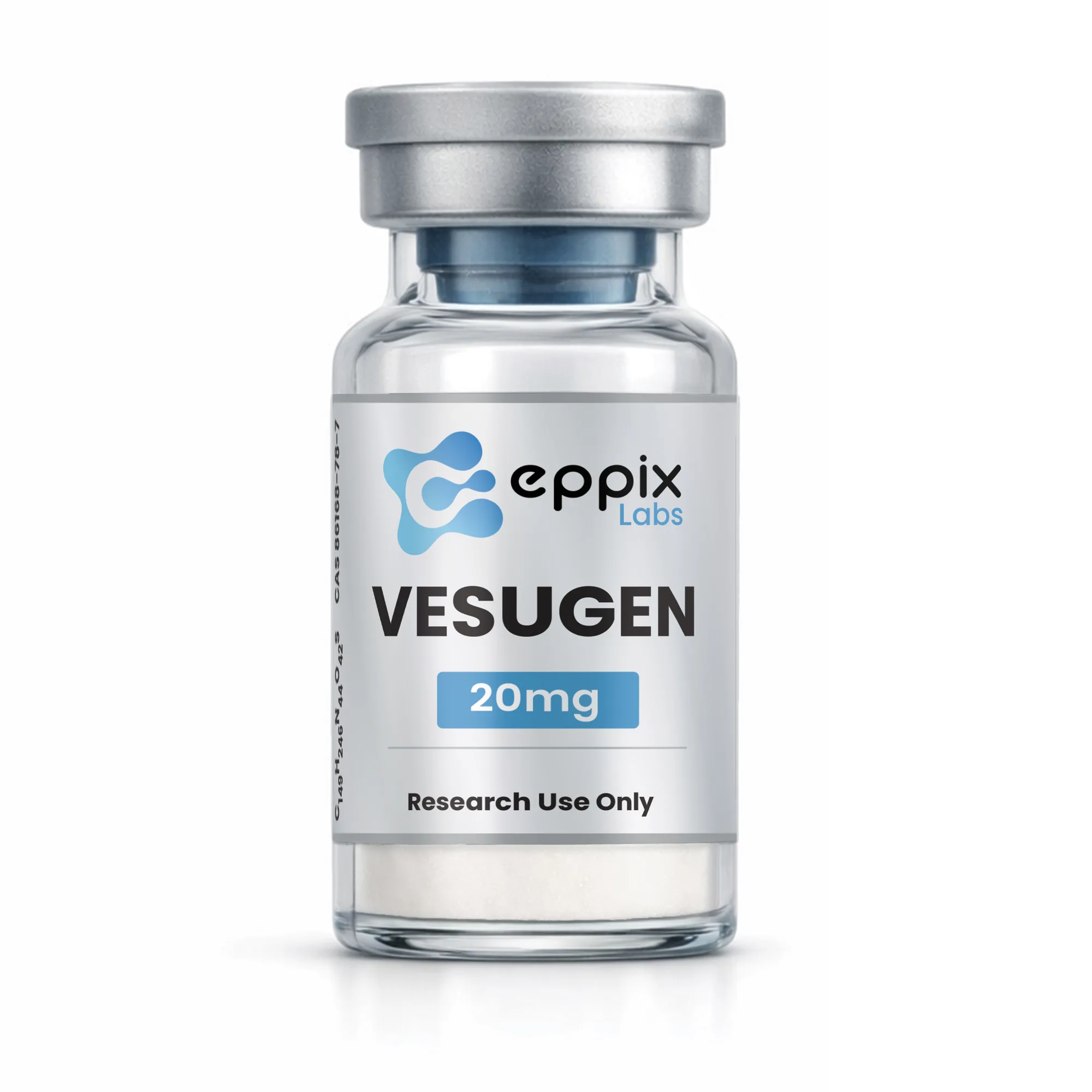
A term used for a group of very short peptides — Epitalon, Pinealon, Livagen, Vesugen and others — that originate largely from a single line of Russian research. The literature behind them is thinner and less independently replicated than the literature behind the better-studied compounds on this site, and the compound pages say so rather than presenting a thin record as a full one.
That the peptide is encoded in mitochondrial DNA rather than nuclear DNA. MOTS-c and humanin are the best-characterised members of that small group, and the distinction is why they are studied in a different context from the nuclear-encoded peptides elsewhere in the catalogue.
Every lot is published, so the answer is visible rather than asserted. Each certificate page lists the previous lots of the same compound with their measured figures side by side, which shows lot-to-lot consistency in a way a single certificate cannot.
All products are supplied for in vitro and laboratory research purposes only.