Cognitive
Cognitive & Neuropeptide Research Compounds
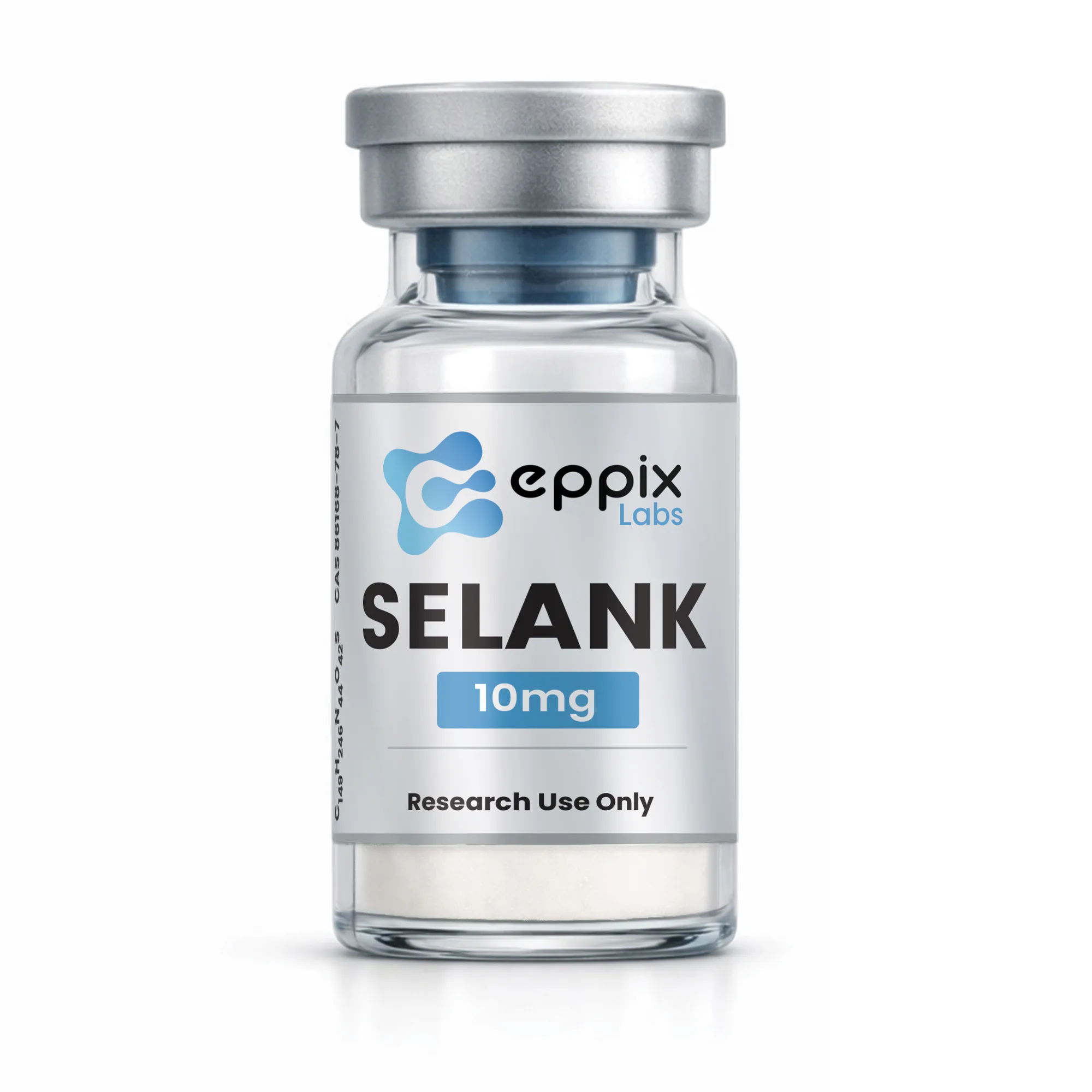
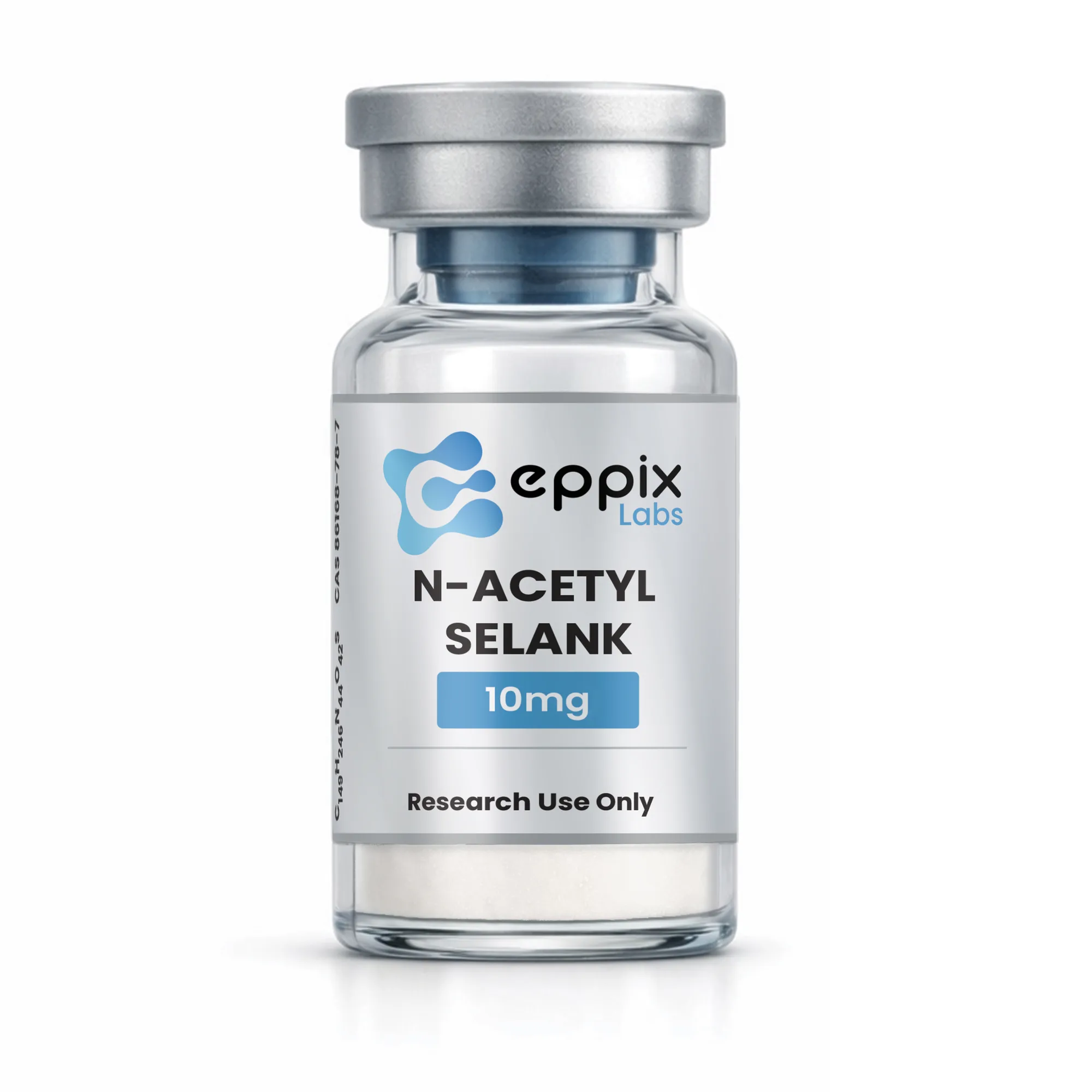
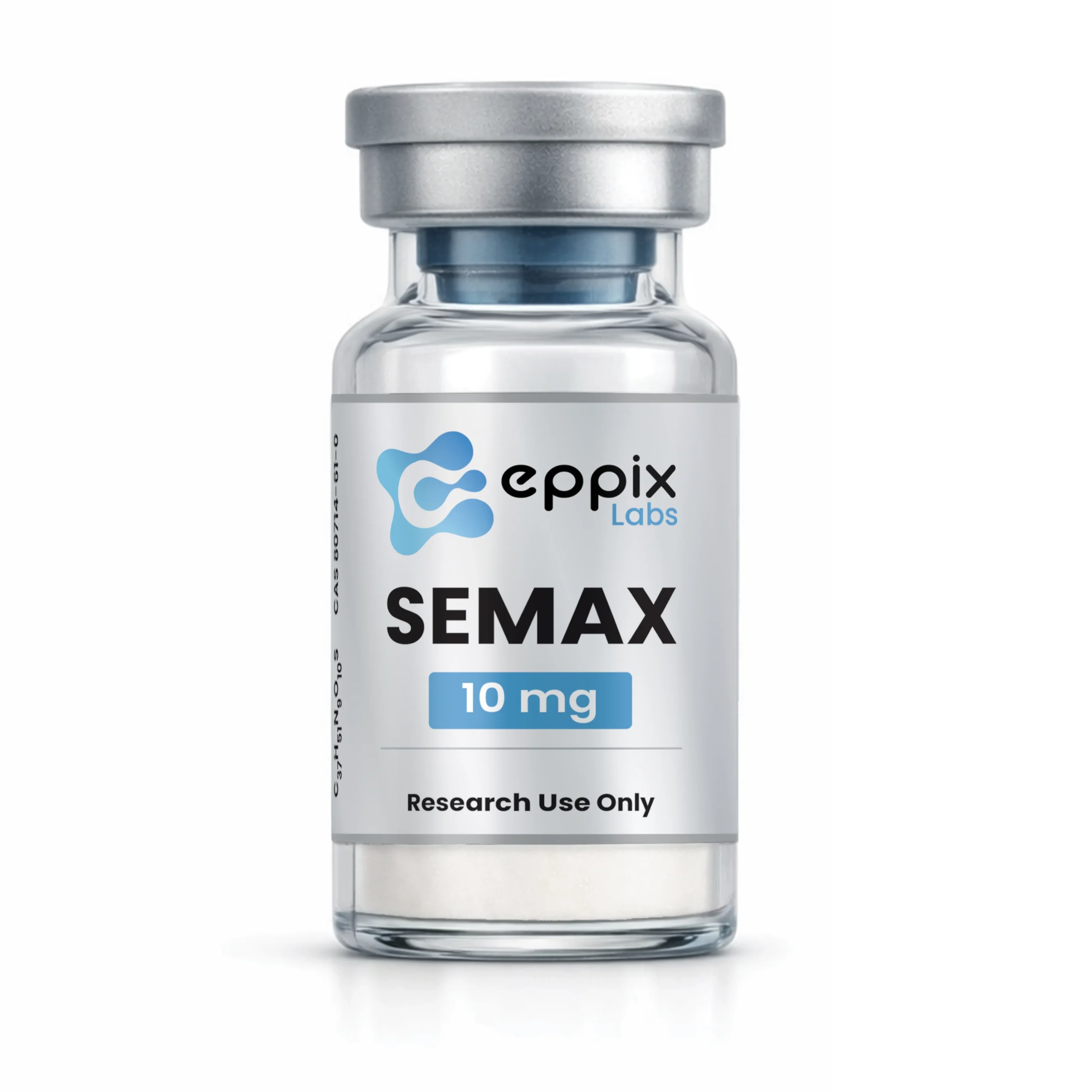
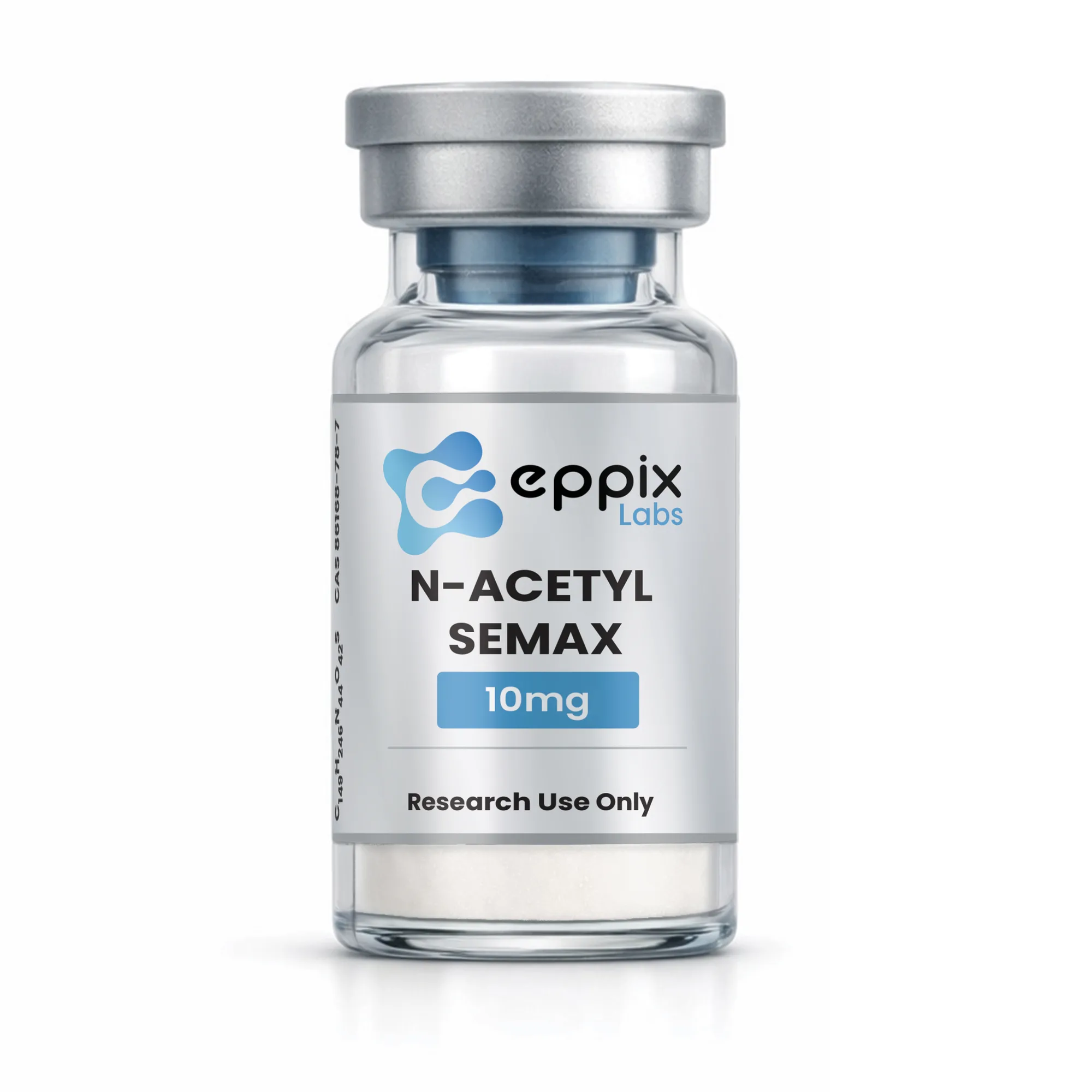
The compounds grouped here are studied in central nervous system models, and several originate from Russian and Eastern European research programmes whose primary literature is only partially indexed in English-language databases. Semax is a synthetic fragment analogue of ACTH(4-10); selank derives from the endogenous peptide tuftsin. Their N-acetylated variants are separate compounds with modified stability profiles, not alternative names for the same molecule.
Not everything in this category is a peptide, and the product pages say so explicitly. Noopept is a dipeptide-derived small molecule, and dihexa is an angiotensin IV analogue — both are frequently listed as peptides elsewhere, which is a compound-identity error worth correcting rather than repeating.
Where the literature is thin, the compound page states that rather than filling the gap with claims. Structural identifiers — CAS number, formula, sequence where applicable — are published for every entry, and every lot carries an independent certificate with measured purity and measured content linked to its batch code. Supplied strictly for laboratory research.
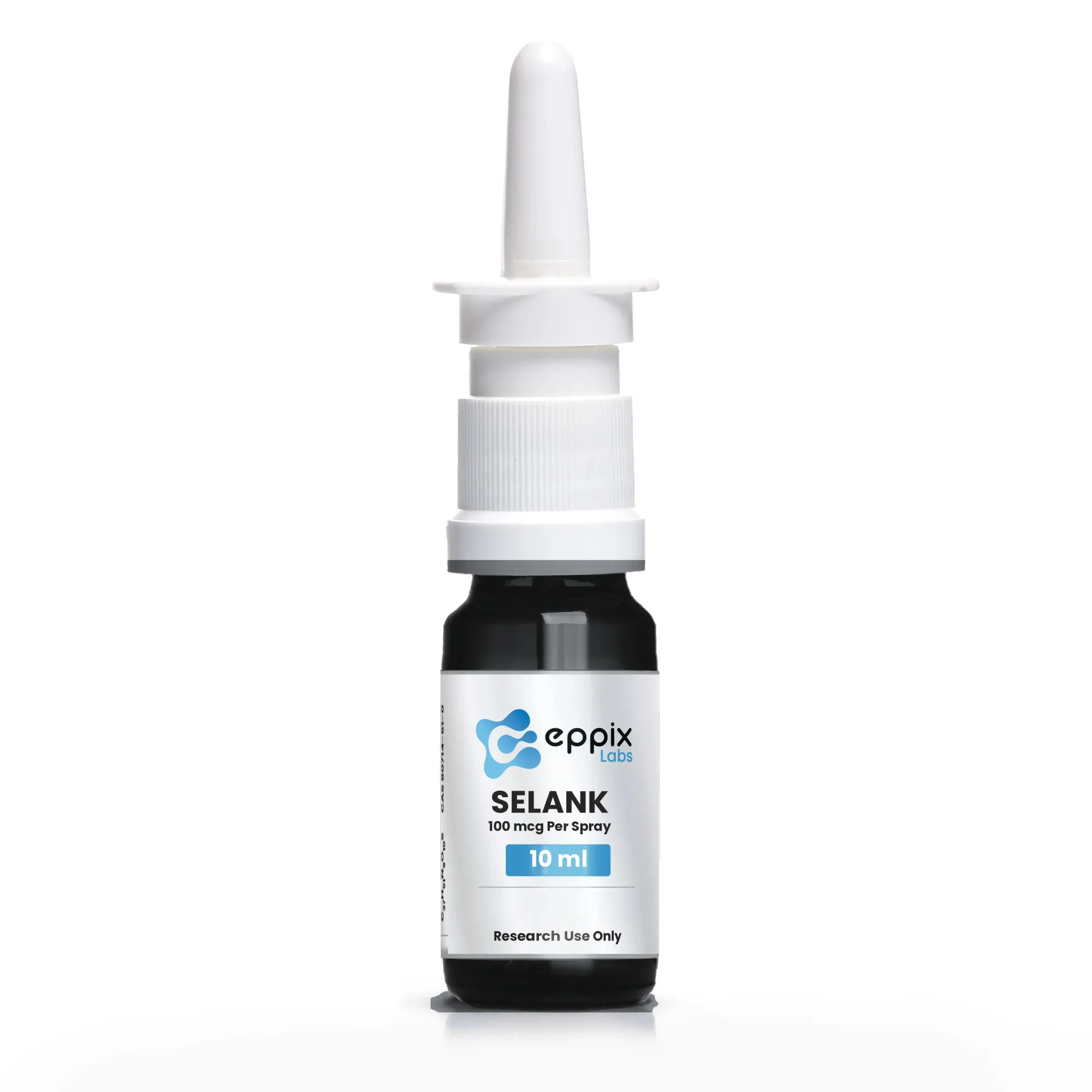
In this category: Semax · Selank · N-Acetyl Semax · Cerebrolysin · Noopept
What to check before buying cognitive compounds
Purity is half the number. A purity figure tells you what fraction of the powder in the vial is the compound on the label — it tells you nothing about how much powder is in the vial. A lot can assay at 99.8% purity and still be short against its labelled content.
Both numbers are published for every batch here: purity from HPLC, and measured mass against expected content. Match the batch code printed on the vial to the certificate before you rely on either.
Cognitive research peptides — common questions
- What is the difference between Semax and N-Acetyl Semax?
- An acetyl group on the N-terminus. The modification is described in the literature as increasing resistance to enzymatic degradation, which changes the compound’s stability profile rather than its identity. They are supplied and certified as separate compounds, each with its own lot and its own report.
- Is Cerebrolysin a peptide?
- It is a mixture rather than a single molecule — a preparation of low-molecular-weight peptides and amino acids derived from porcine brain tissue. That matters for how it can be characterised analytically: a purity figure for a single defined peptide does not apply to a mixture in the same way, and the certificate reflects what was actually assayed.
- Why are non-peptide compounds listed in a neuropeptide category?
- Because the research literature groups them by what is being studied, not by molecular class. Noopept is a dipeptide-derived small molecule rather than a peptide proper; it appears here because the published work sits alongside the peptide compounds in the same models. The compound page says which class each one belongs to rather than letting the category imply it.
- What is verified before a cognitive compound lot is released?
- Identity by mass spectrometry and purity by reversed-phase HPLC, both by an independent laboratory, with the measured content reported against the labelled amount. The certificate is published in full and linked to the lot code printed on the vial.