Research Use OnlyAll materials supplied for laboratory research within Canada
Most Popular
Best-Selling Research Peptides in Canada
The research compounds Canadian laboratories order most, led by the current fast movers. Every product carries an independent third-party certificate for its lot, with the measured purity and the milligrams found in the vial published against the batch code printed on the label.
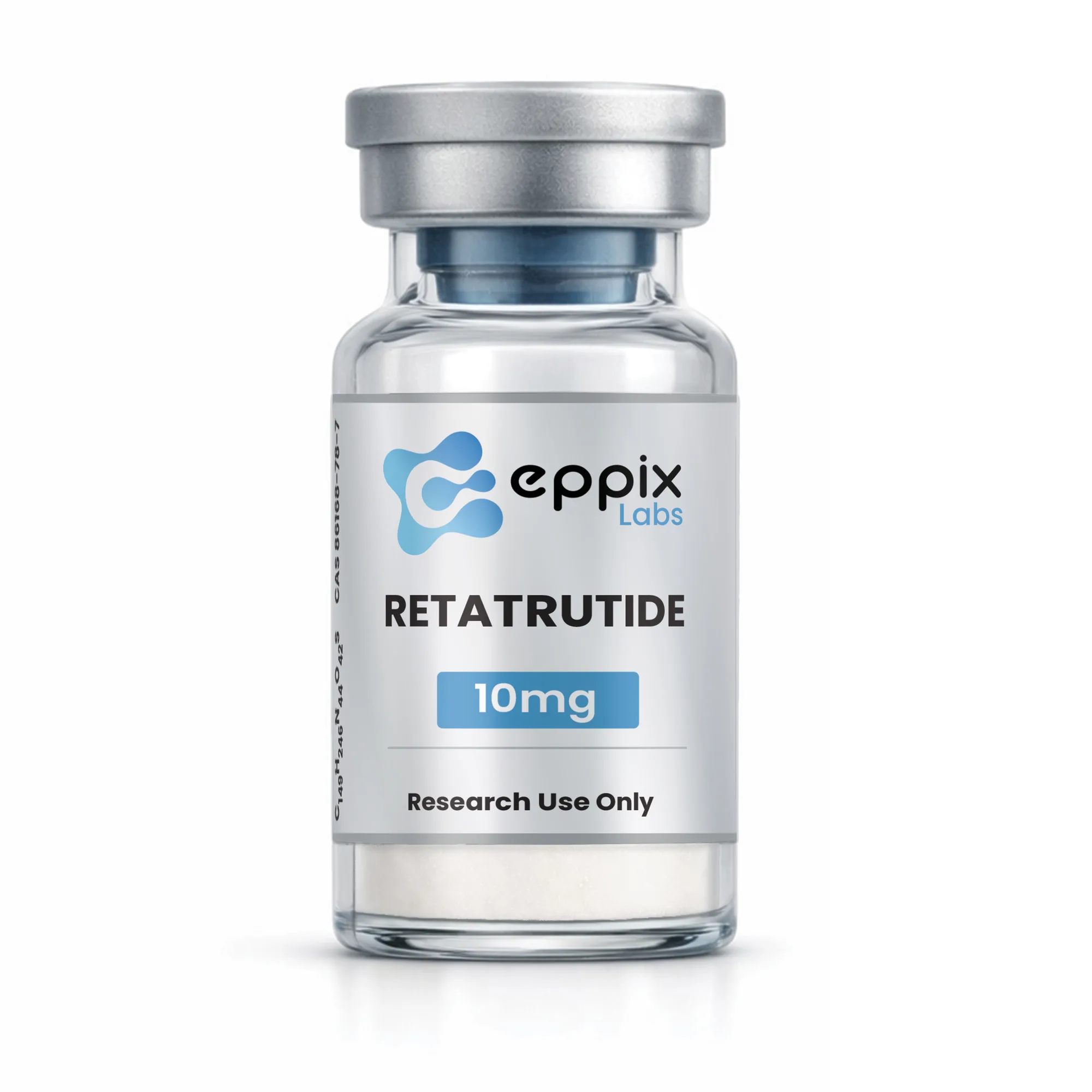
Triple GIP / GLP-1 / Glucagon Agonist · 10, 20, 40 & 120 mg
Retatrutide is a synthetic peptide developed for controlled laboratory research involving multi-receptor signaling systems. It is structurally designed to interact with GLP-1, GIP, and glucagon receptor pathways within experimental environments.
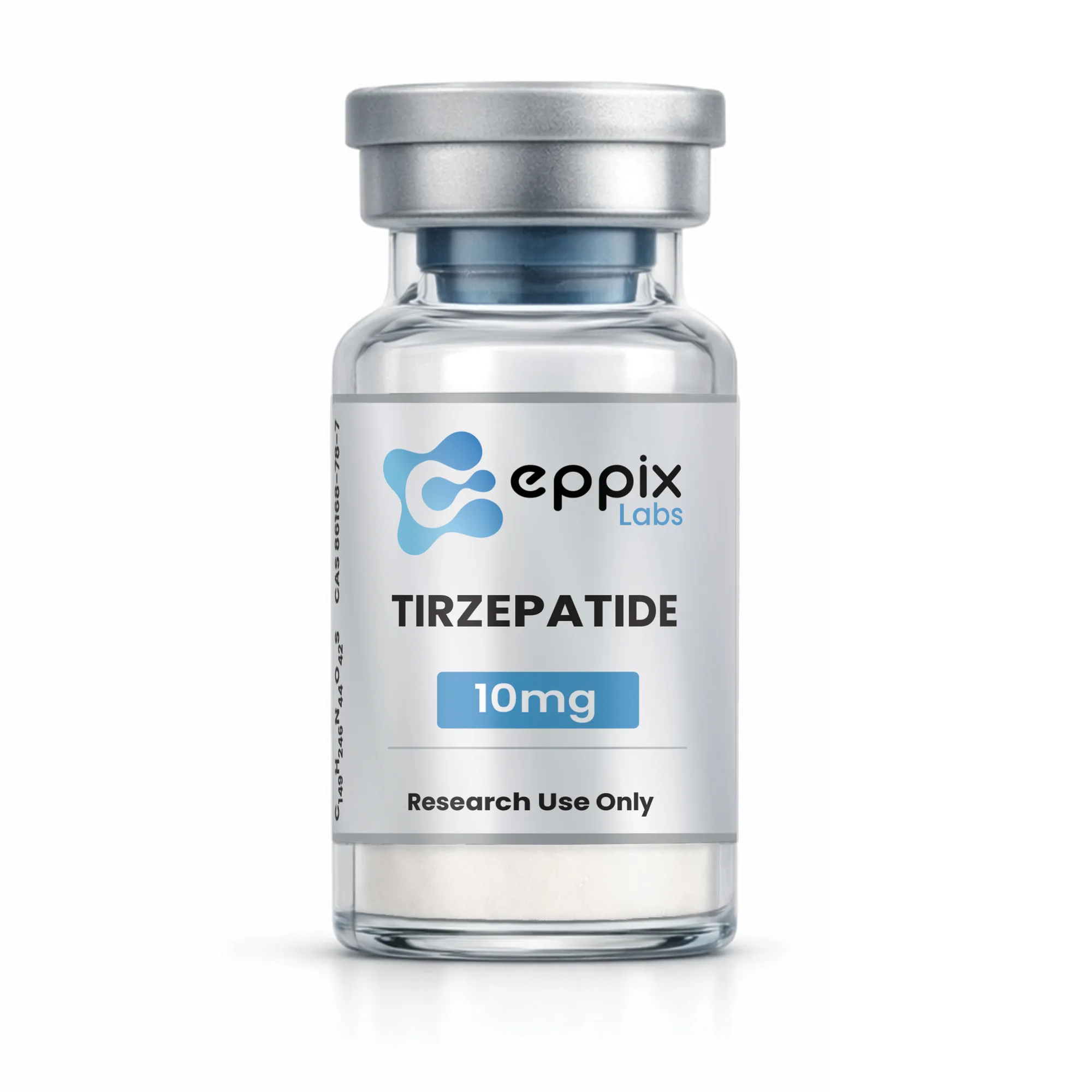
Dual GIP / GLP-1 Agonist · 10, 30 & 65 mg
Tirzepatide is a synthetic peptide developed for controlled laboratory research involving dual incretin receptor signaling systems. It is structurally designed to interact with GLP-1 and GIP receptor pathways within experimental environments.
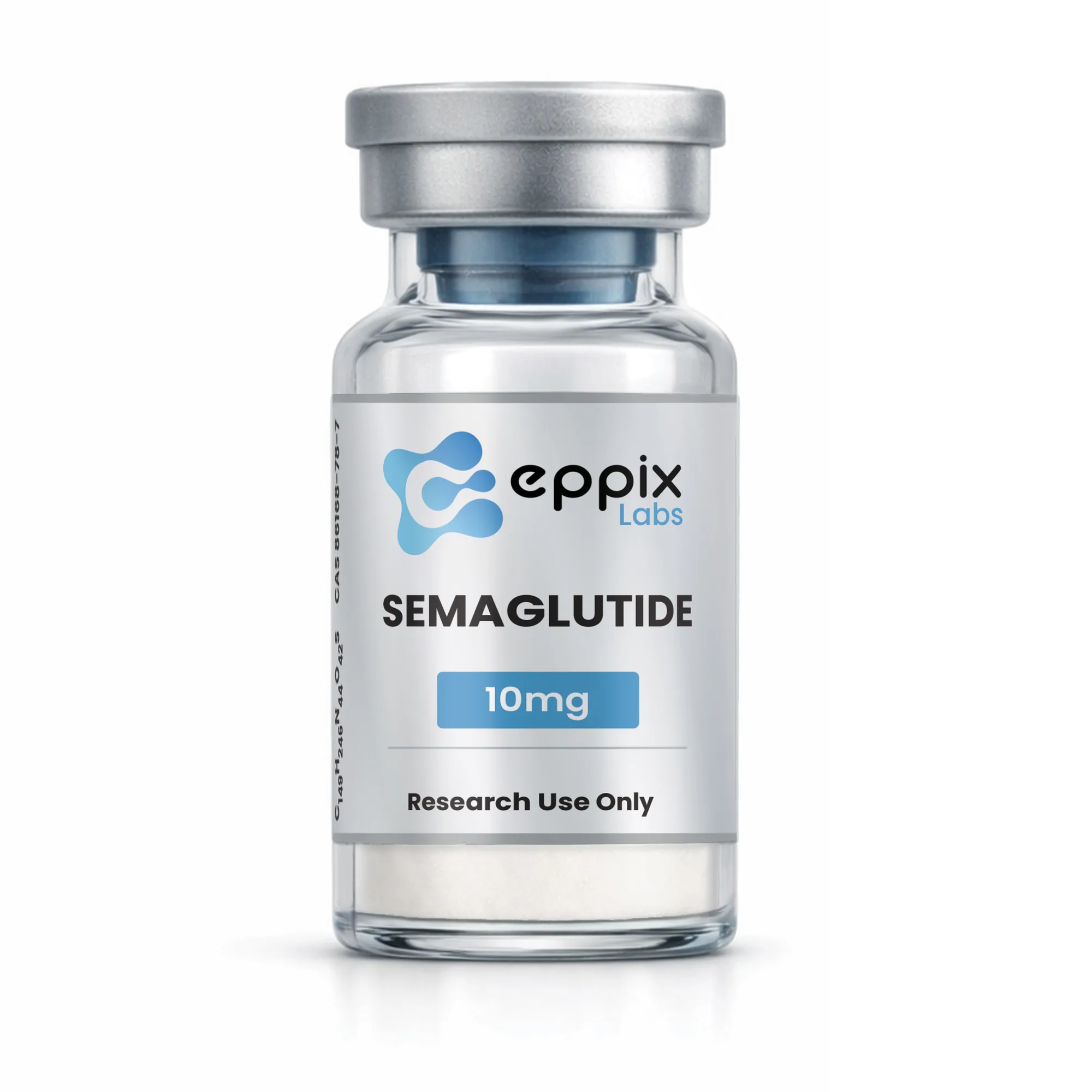
GLP-1 Receptor Agonist · 10 mg
Semaglutide is a synthetic analogue of glucagon-like peptide-1 (GLP-1), a naturally occurring incretin hormone involved in glucose-dependent signaling. It is developed for controlled laboratory investigation within regulated experimental environments.
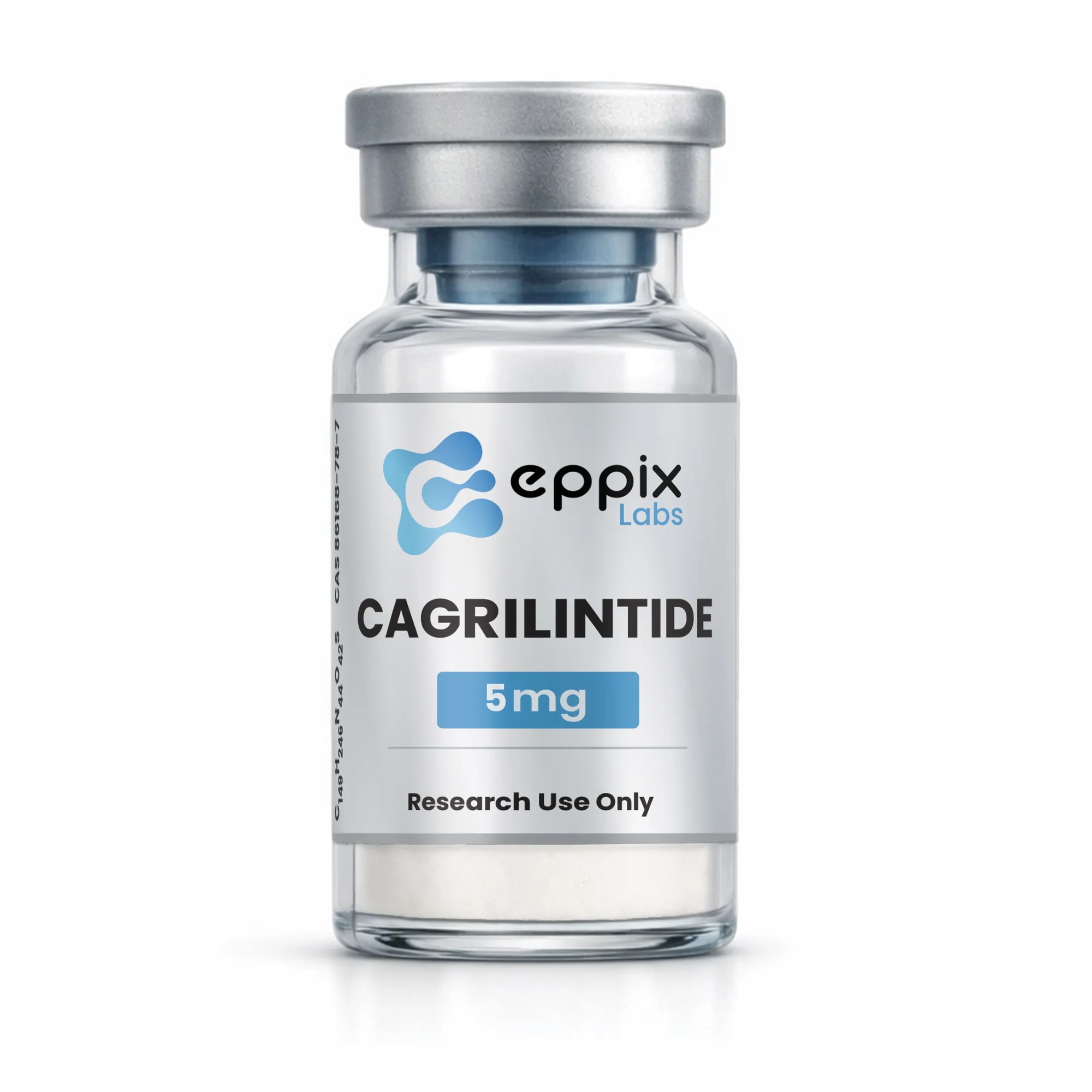
Long-Acting Amylin Analogue · 5 & 10 mg
Cagrilintide is a synthetic peptide developed for controlled laboratory research involving amylin receptor signaling systems. It is structurally designed to interact with amylin-associated pathways within experimental environments.
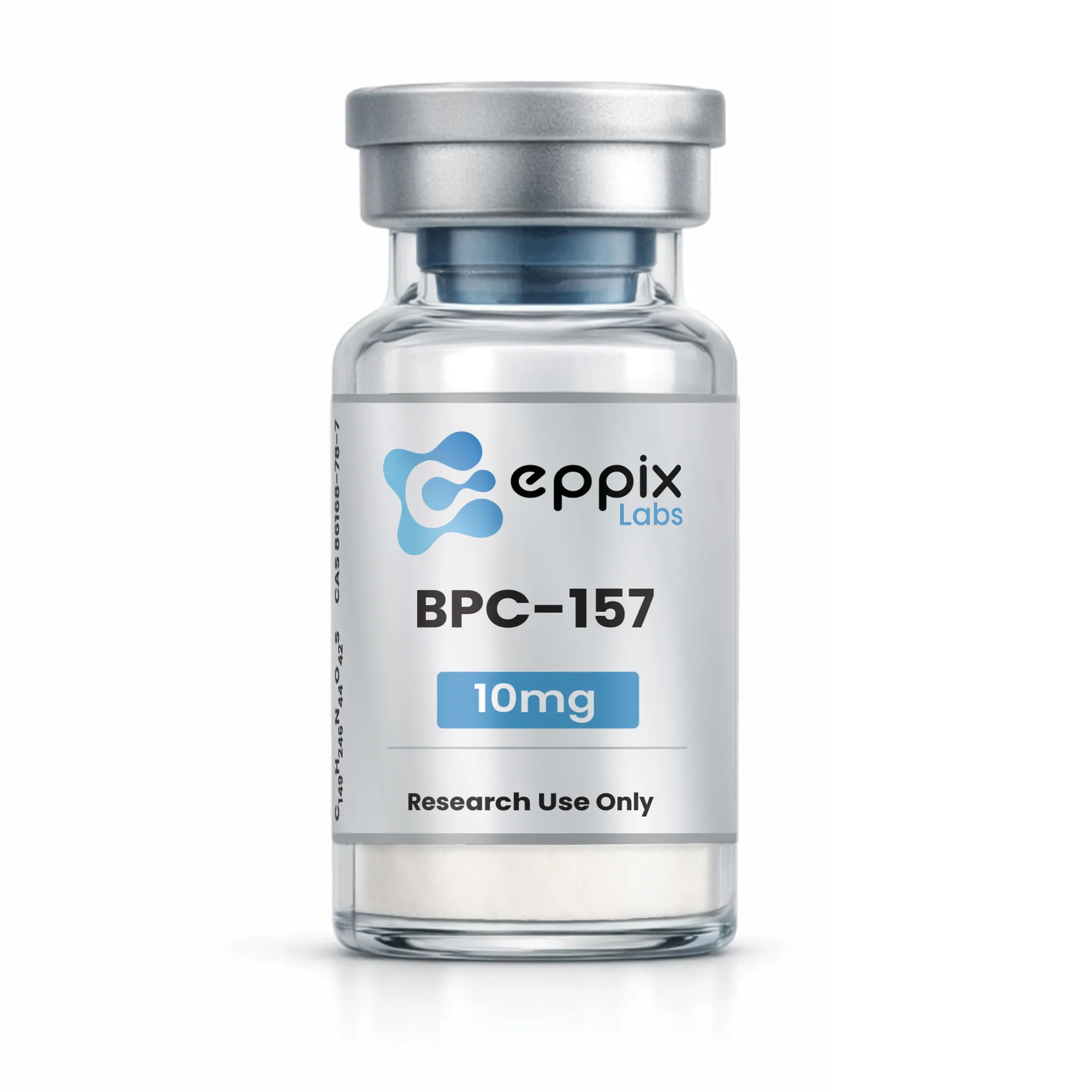
Body Protection Compound Pentadecapeptide · 10 mg
BPC-157 is a synthetic peptide derived from a fragment of a naturally occurring gastric protein. It is produced for laboratory research and studied within controlled experimental environments.
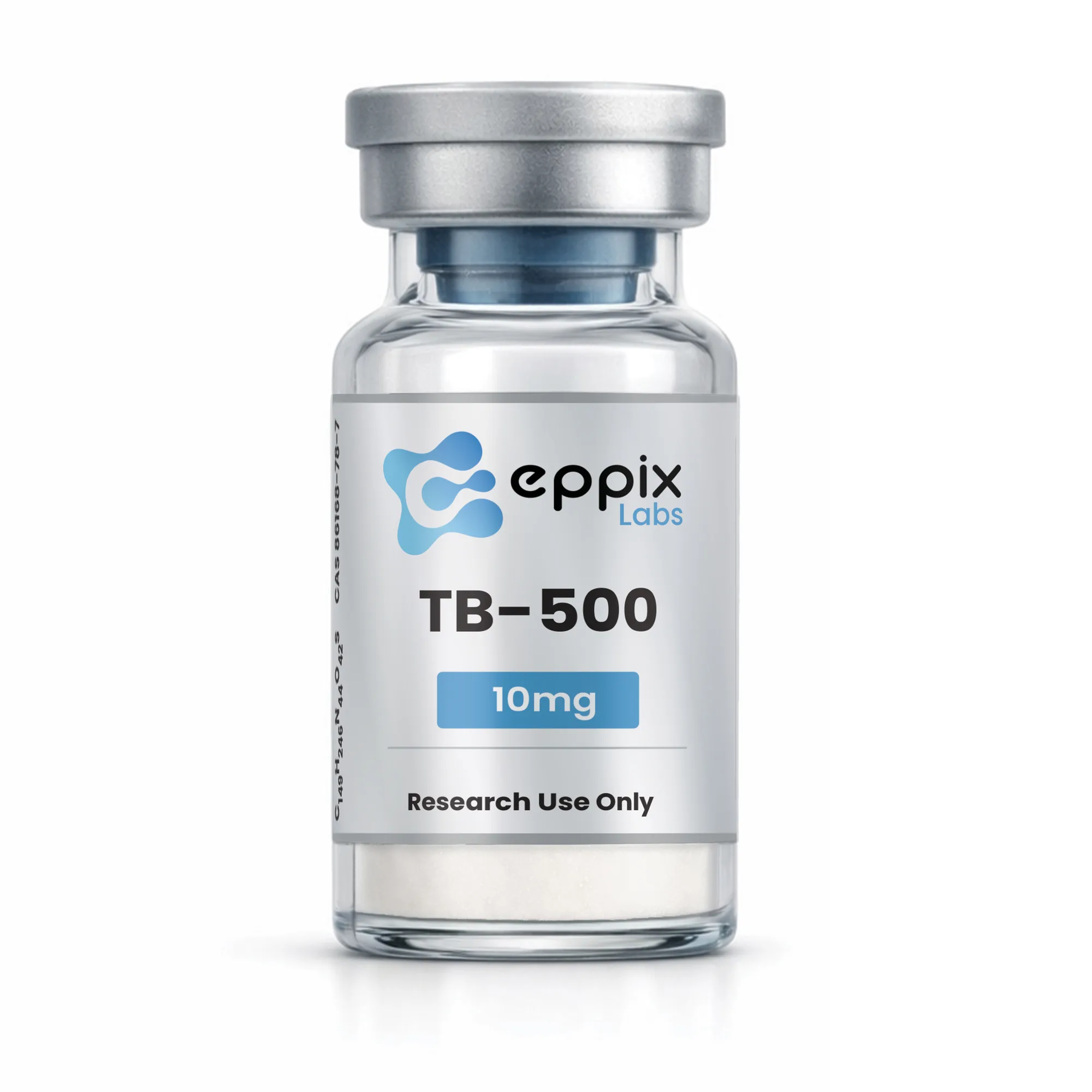
Thymosin Beta-4 Fragment Research Peptide
TB-500 is a synthetic research peptide modeled after thymosin beta-4, a naturally occurring peptide involved in cellular signaling processes. It is developed for controlled laboratory investigation within regulated experimental environments.
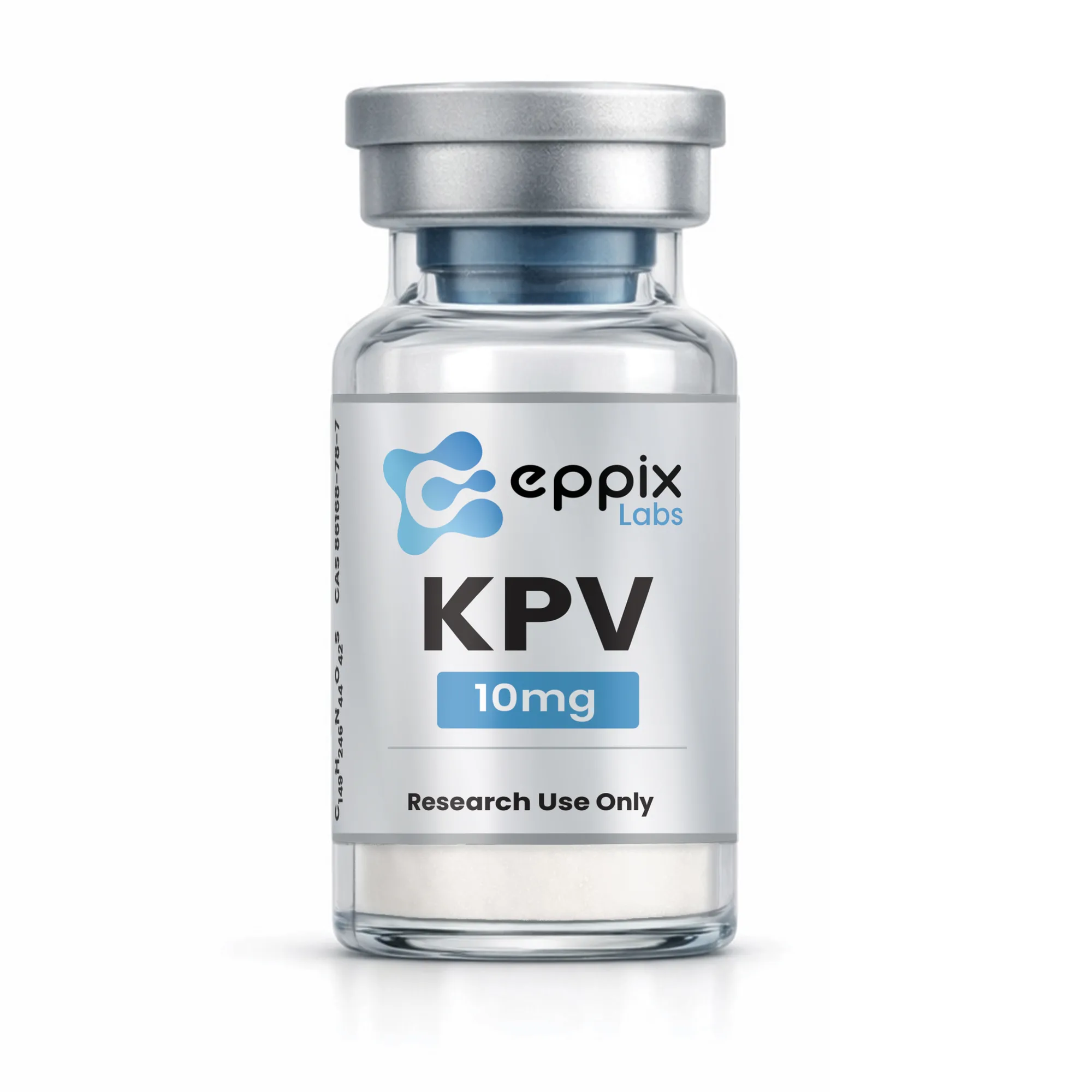
Tripeptide Research Compound
KPV is a synthetic tripeptide composed of lysine–proline–valine and represents a fragment derived from the alpha-melanocyte–stimulating hormone (α-MSH) sequence. It is developed for controlled laboratory research involving peptide-mediated signaling systems.
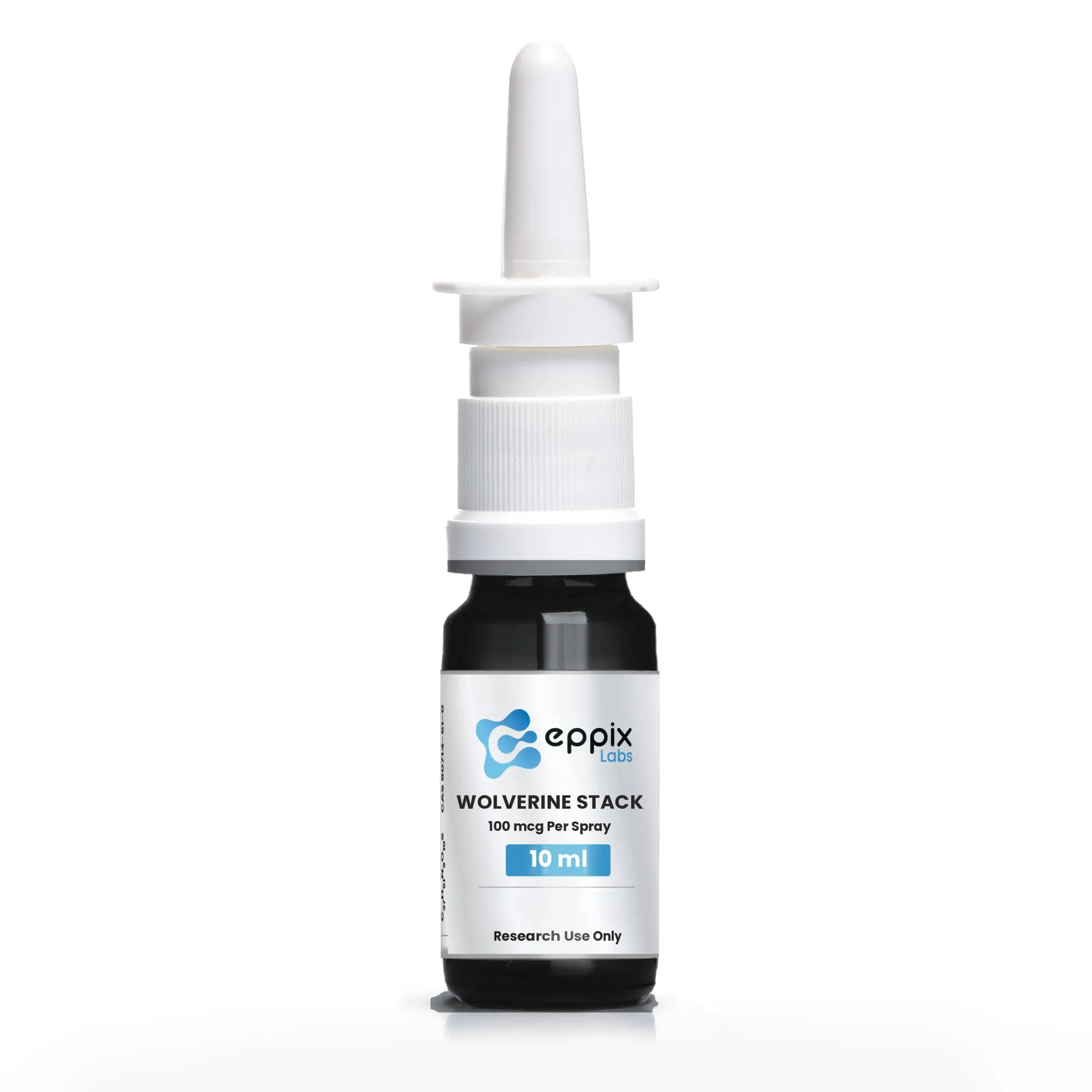
Multi-Peptide Blend Preparation
"Wolverine Stack Spray" is a trade designation for a combination preparation sold in the research-chemical market rather than a defined chemical entity. There is no entry for the name in public chemical registries, and no standardized composition is documented in the published literature.
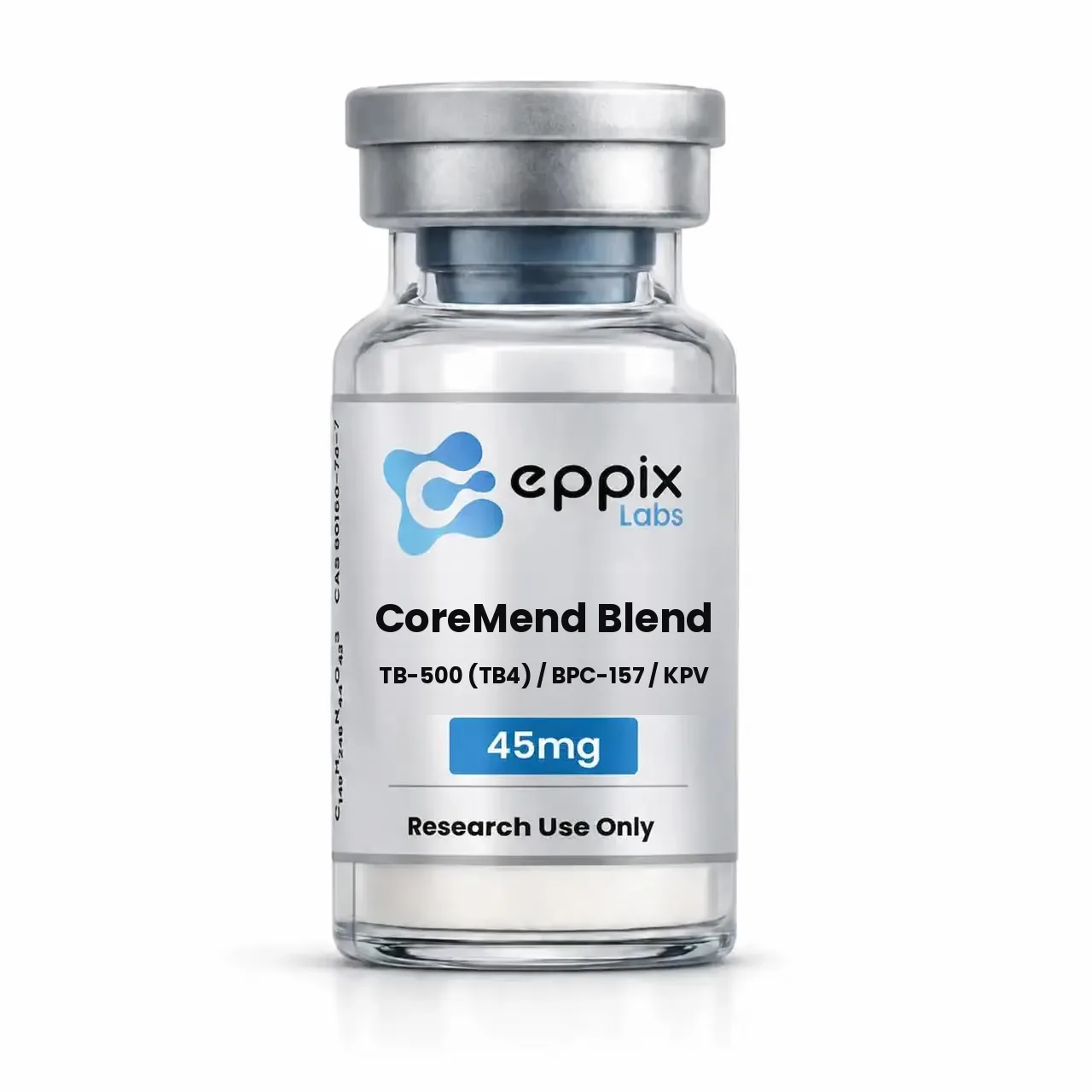
TB-500 / BPC-157 / KPV Recovery Blend
Coremend is a research blend combining TB-500 (thymosin beta-4 fragment), BPC-157, and the tripeptide KPV in a single preparation, studied for converging tissue-repair and inflammatory-signaling pathways.
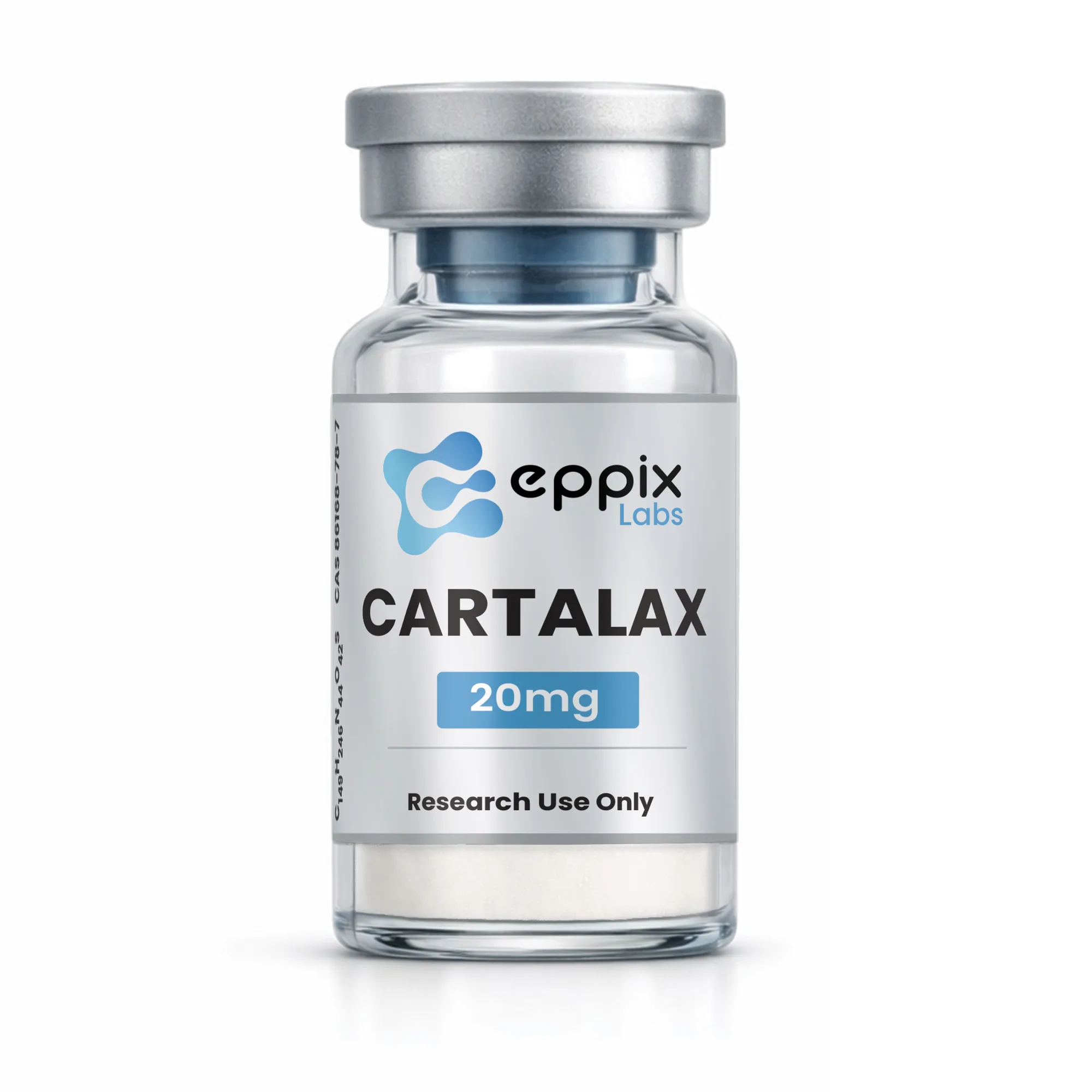
Cartilage-Derived Peptide Research Compound
Cartalax is a synthetic peptide complex derived from cartilage-associated protein fractions and is developed for controlled laboratory research involving connective tissue signaling systems.
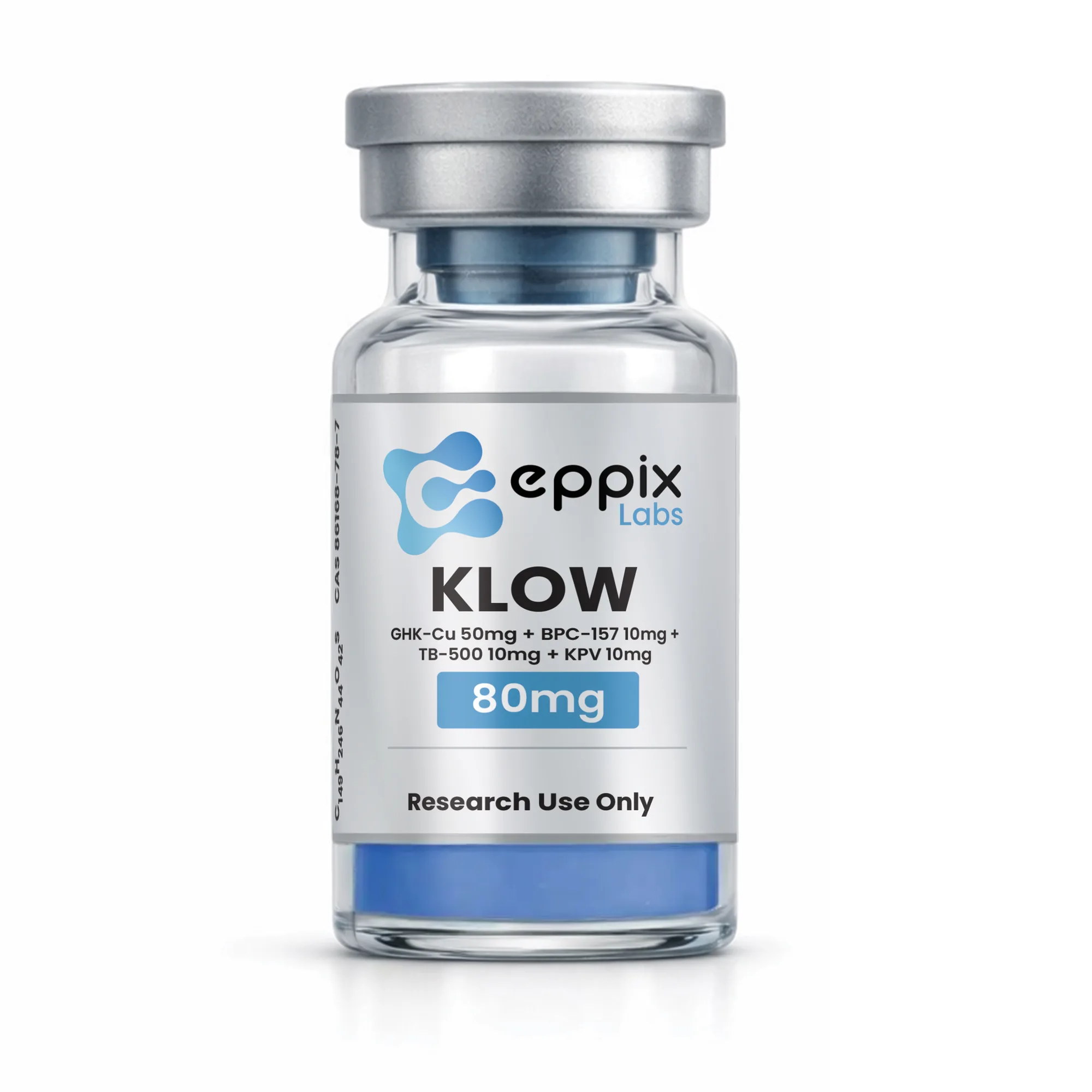
Multi-Peptide Research Blend
KLOW is a multi-peptide research blend integrating GHK-Cu, BPC-157, TB-500, and KPV into a unified formulation developed for controlled laboratory investigation.
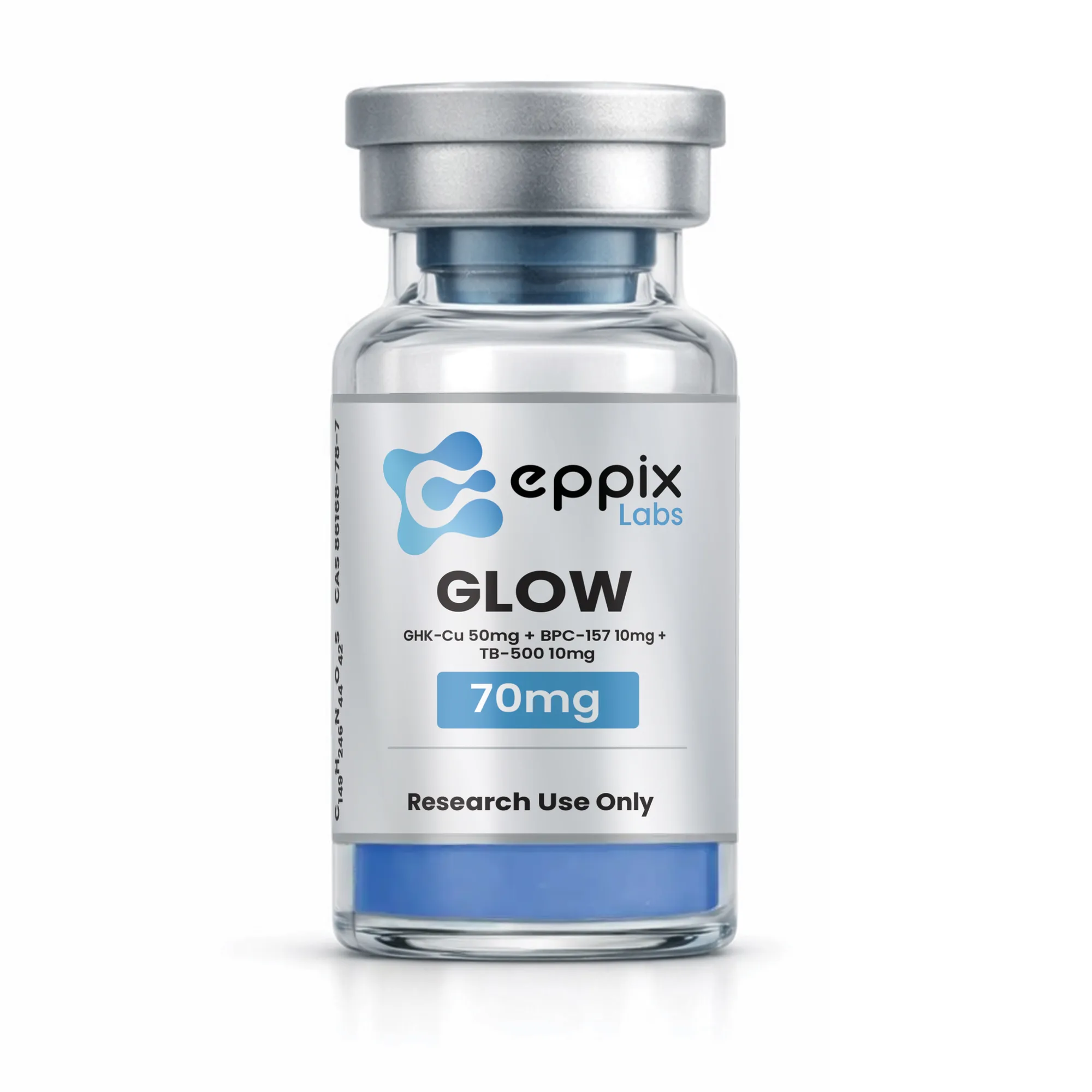
Multi-Peptide Research Blend
GLOW is a multi-peptide research blend formulated for controlled laboratory investigation. It integrates GHK-Cu, BPC-157, and TB-500 into a single experimental compound.
Copper Peptide Research Compound
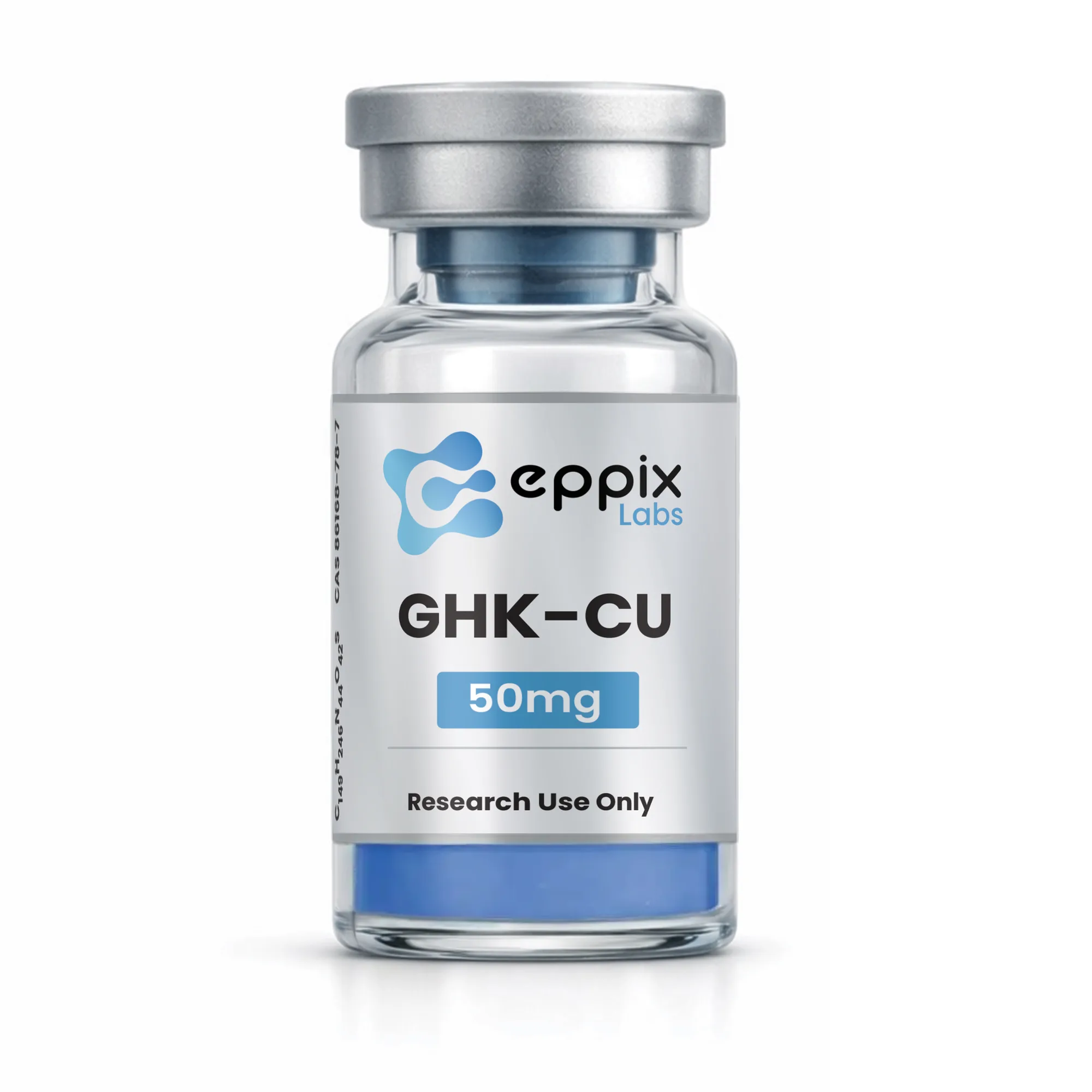
GHK-Cu is a synthetic copper-binding tripeptide composed of glycine, histidine, and lysine complexed with copper ions. It is developed for controlled laboratory research involving peptide–metal interaction systems.
Nicotinamide Adenine Dinucleotide Research Compound
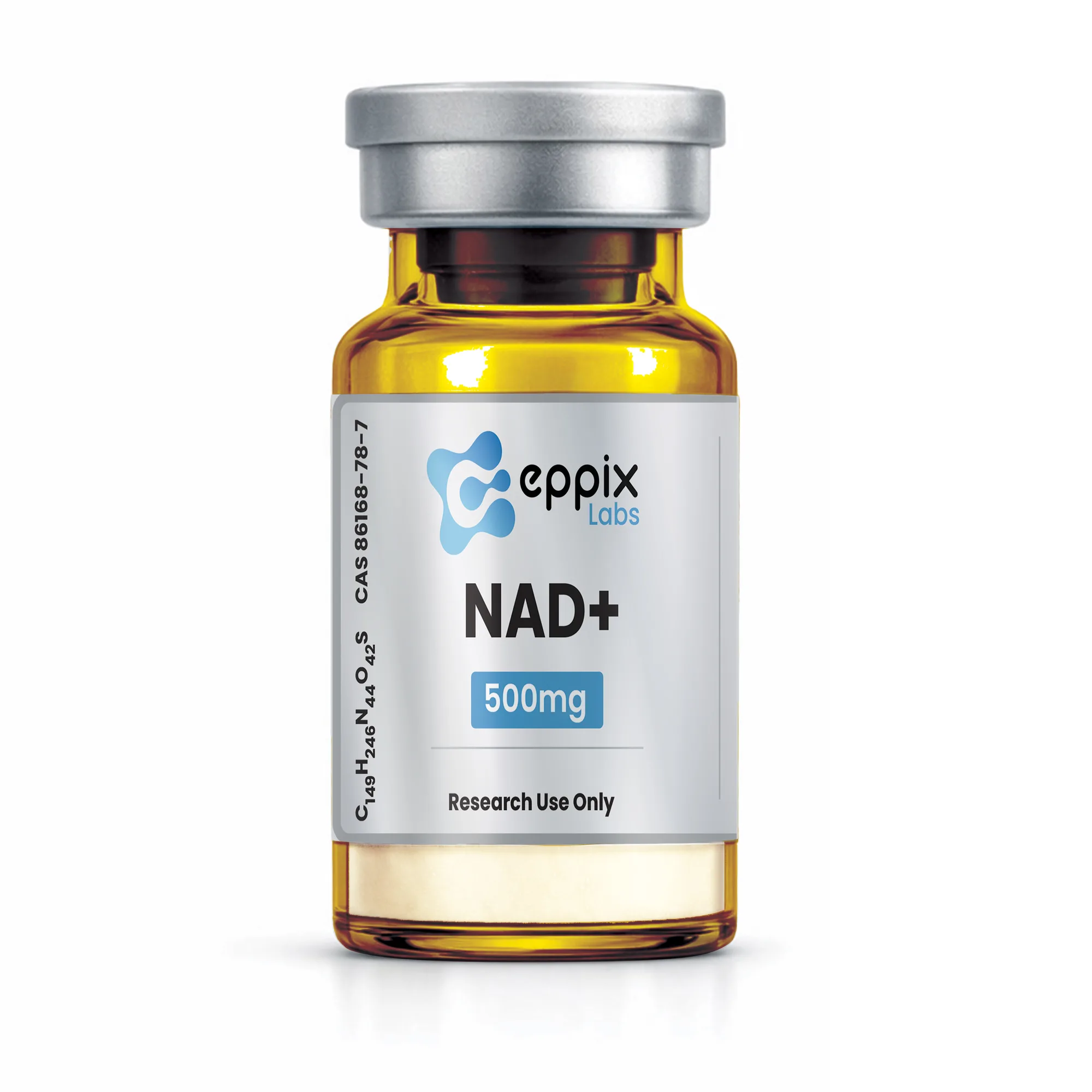
NAD+ (nicotinamide adenine dinucleotide) is a coenzyme found in all living cells and plays a central role in cellular redox reactions. It is supplied for controlled laboratory research involving metabolic and mitochondrial signaling systems.
Mitochondrial-Derived Peptide
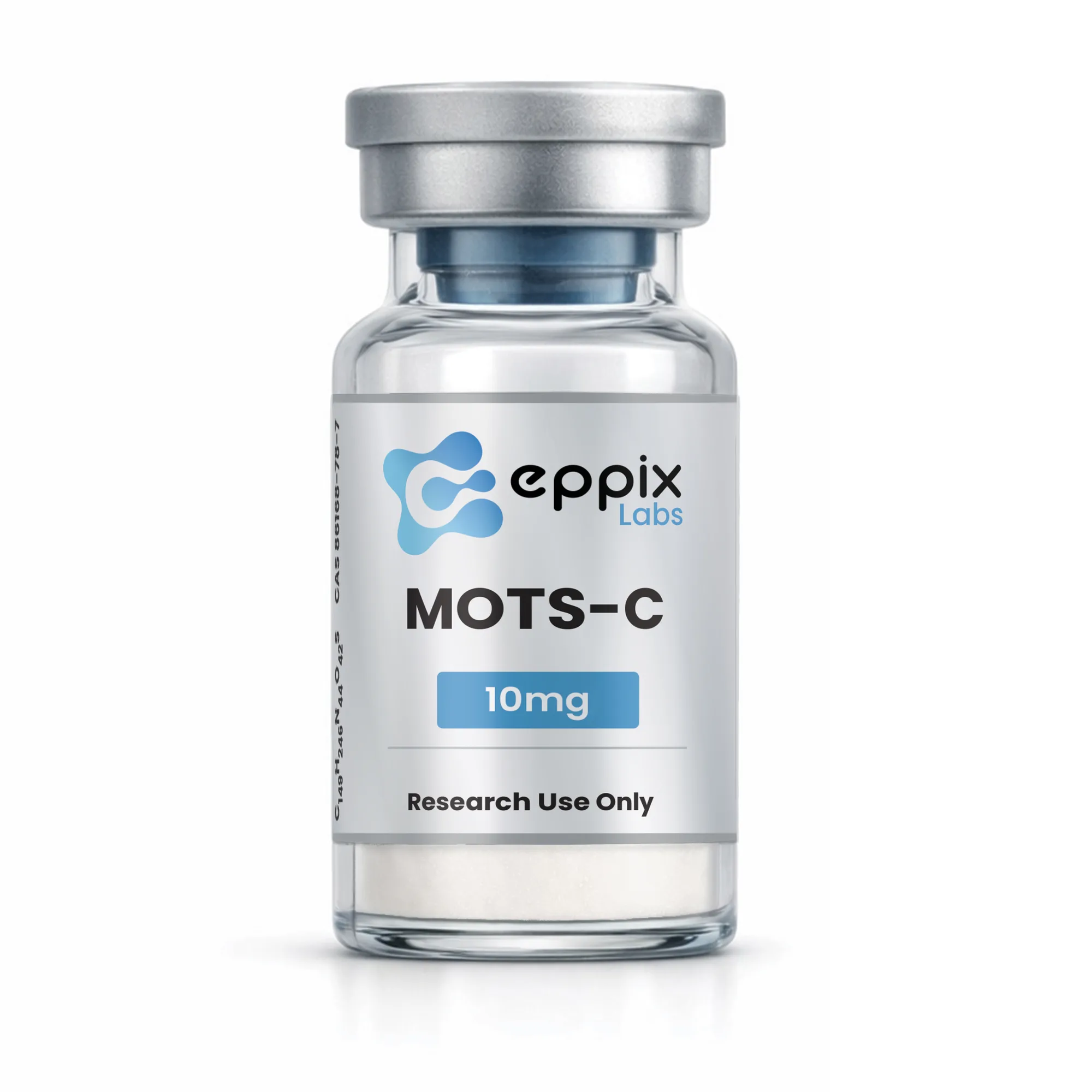
MOTS-c (Mitochondrial Open Reading Frame of the 12S rRNA-c) is a mitochondrial-derived peptide identified through genomic analysis of mitochondrial DNA. It is synthesized for controlled laboratory research and studied within experimental environments focused on cellular and metabolic signaling.
Mitochondria-Targeted Peptide Research Compound
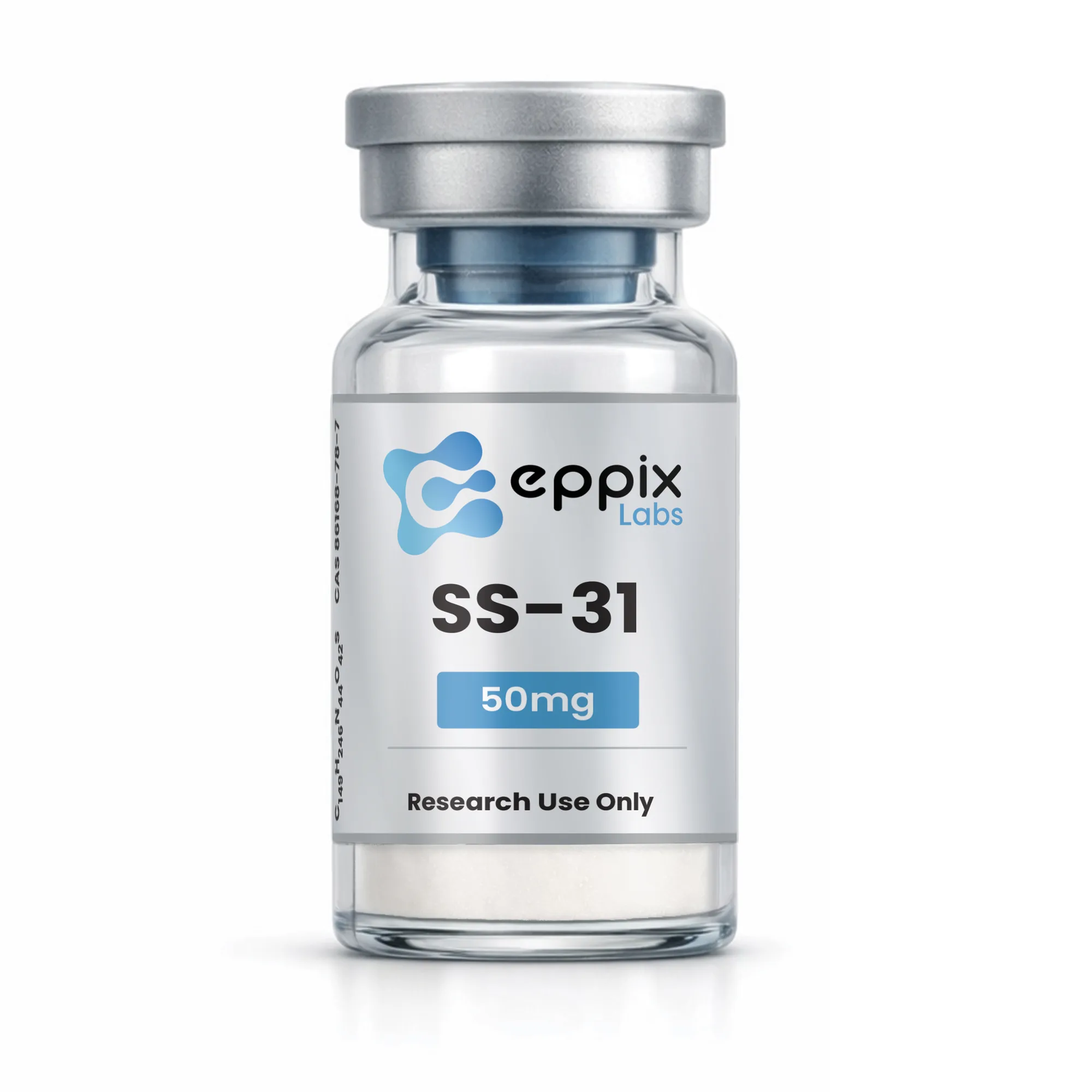
SS-31 is a synthetic tetrapeptide designed for controlled laboratory research involving mitochondrial-associated signaling systems. It is also known in scientific literature as elamipretide.
Nicotinamide N-Methyltransferase (NNMT) Inhibitor Research Compound
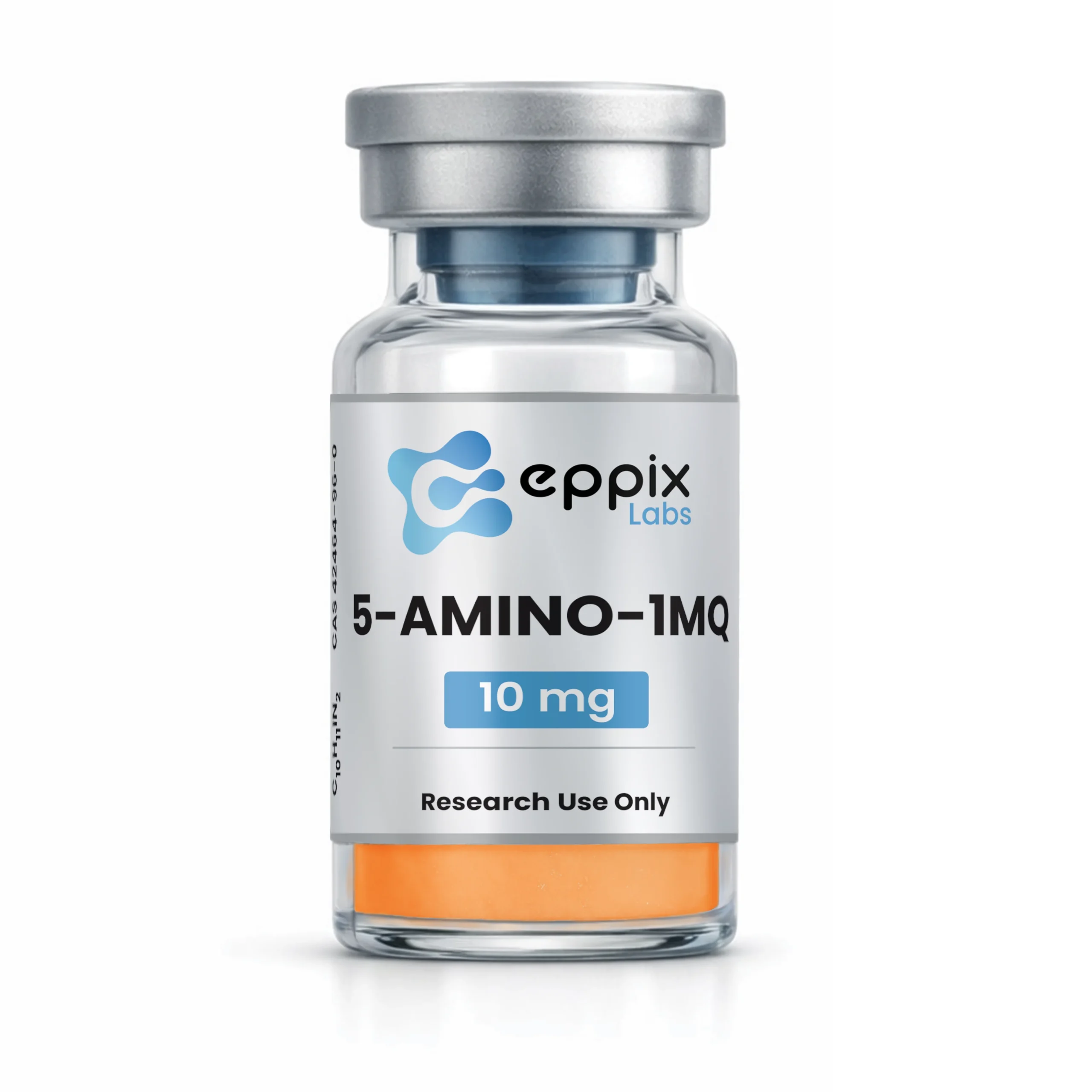
5-Amino-1MQ is a small-molecule research compound studied as an inhibitor of nicotinamide N-methyltransferase (NNMT), an enzyme involved in cellular metabolic regulation. It is developed for controlled laboratory investigation within experimental environments.
Proprietary Blended Preparation
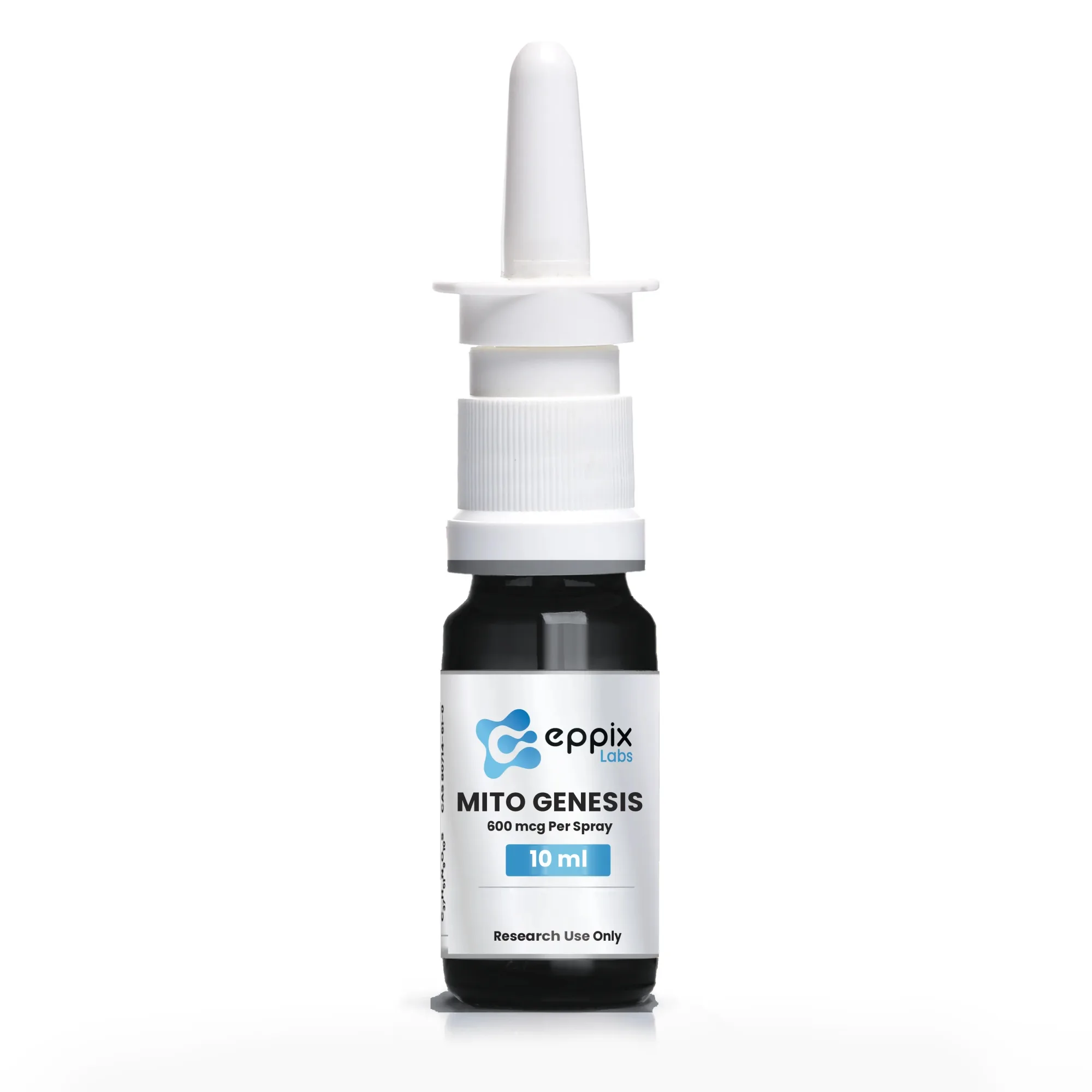
Mito Genesis Spray is a proprietary blended preparation supplied as a spray-format laboratory material. It is not a single defined chemical entity with an established identity in the chemical literature, and no PubChem record corresponds to this name.
Mitochondrial-Derived Peptide
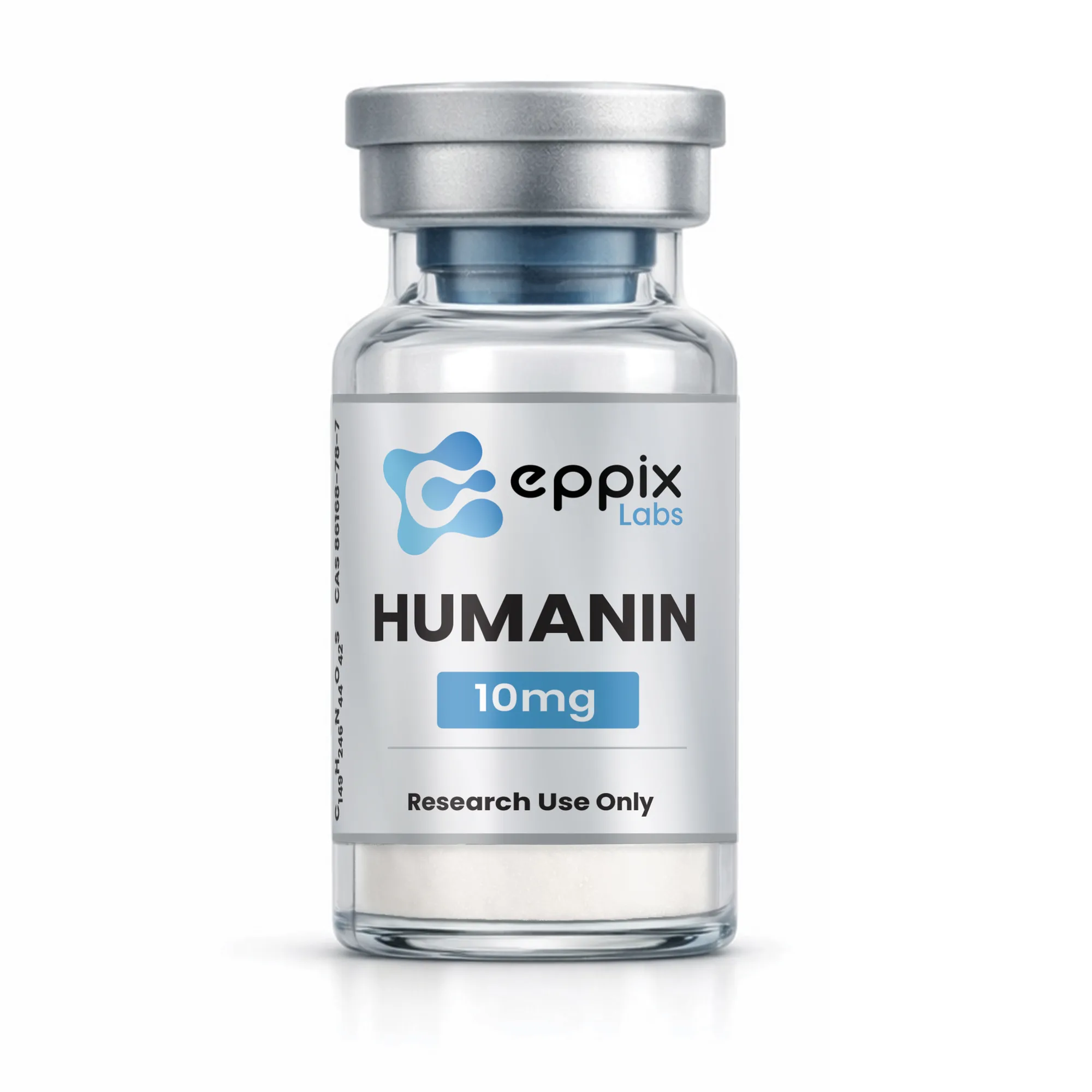
Humanin is a 24-residue peptide encoded within the mitochondrial genome, studied in research on cytoprotection and apoptosis-related signaling.
GHRH Analogue Research Peptide
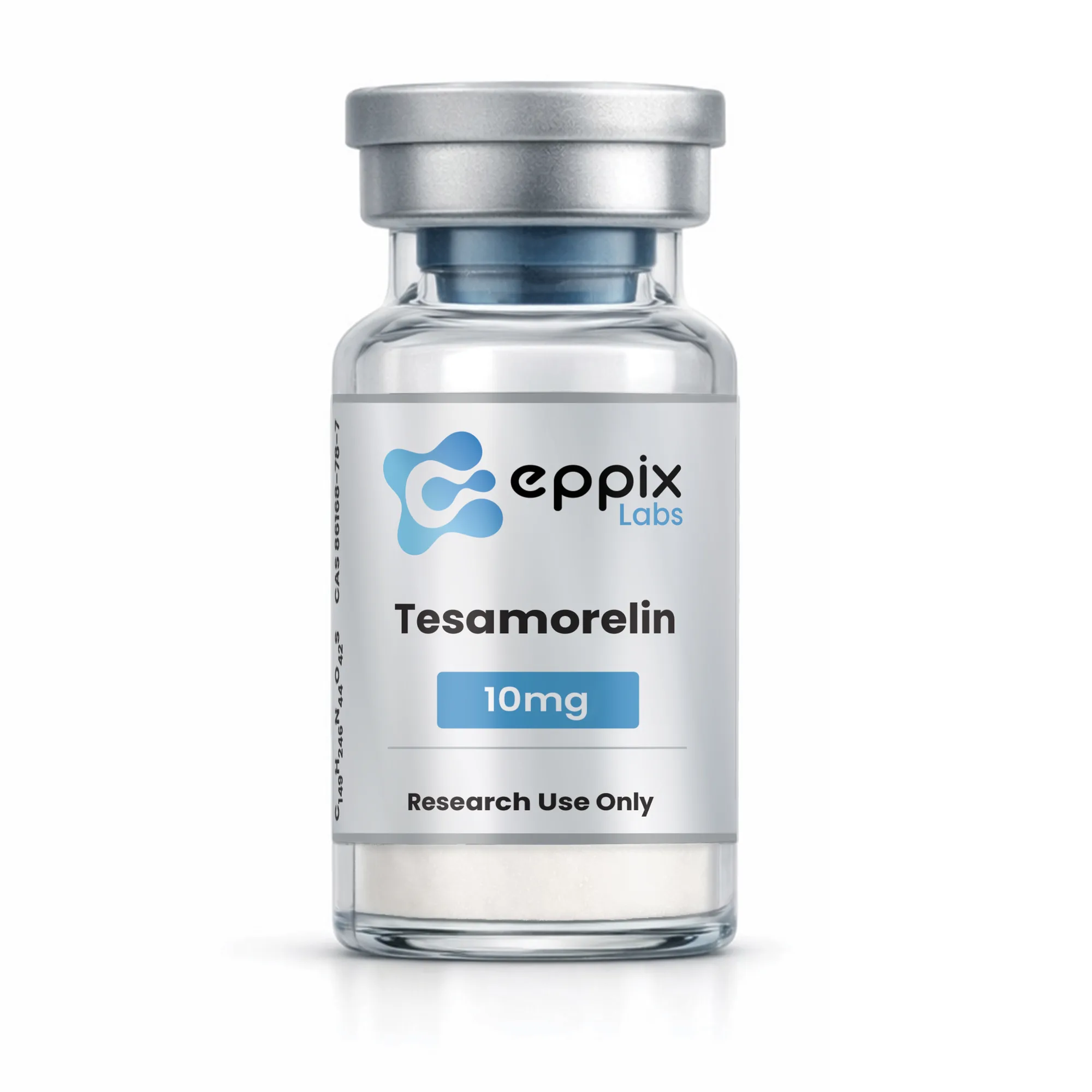
Tesamorelin is a synthetic peptide analogue of growth hormone–releasing hormone (GHRH). It is developed for controlled laboratory research involving hypothalamic-pituitary signaling systems.
Tesamorelin / Ipamorelin GH-Axis Blend
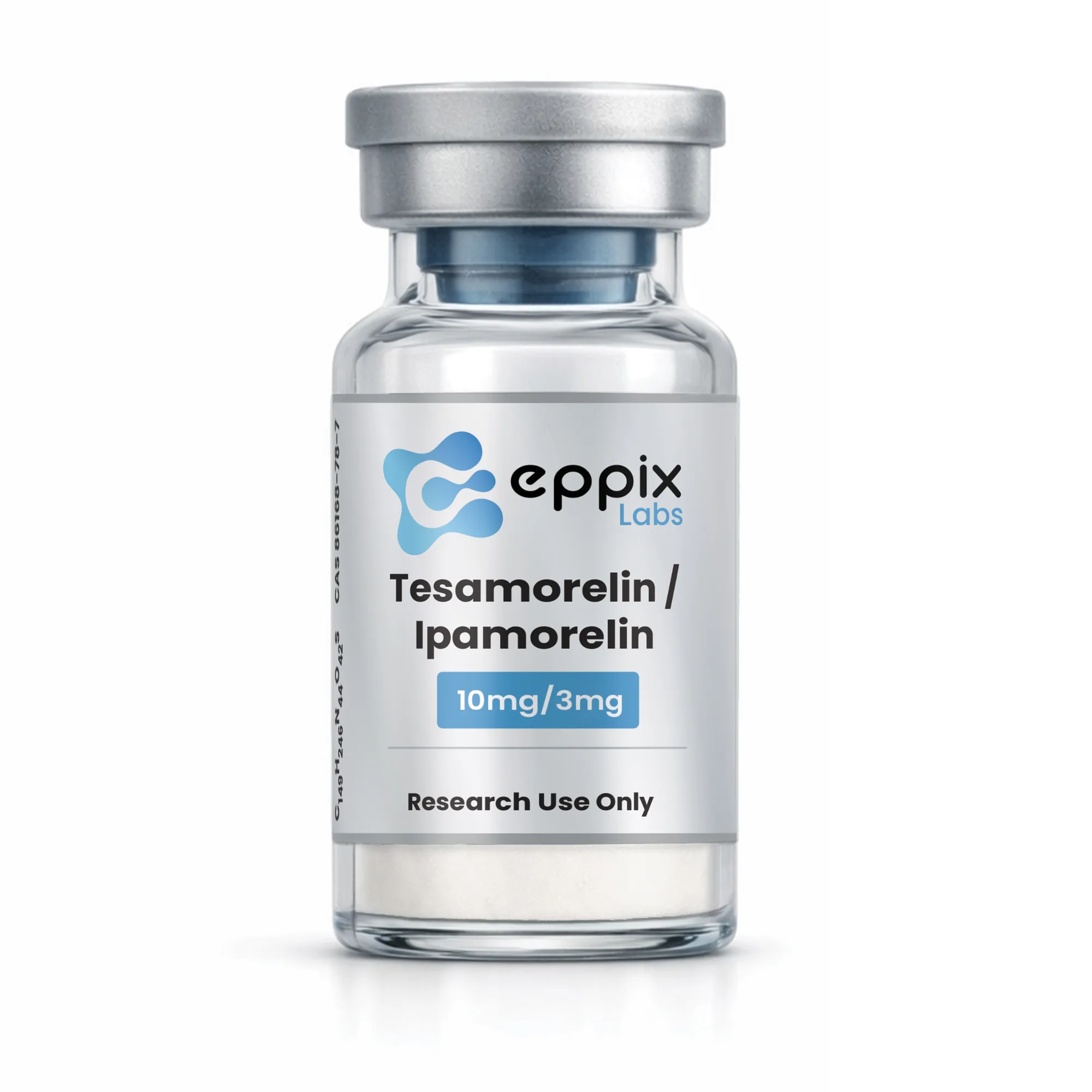
The Tesamorelin + Ipamorelin blend combines a GHRH analogue (Tesamorelin) with a selective ghrelin-receptor agonist (Ipamorelin), studied for complementary stimulation of the GH/IGF-1 axis.
Dual GHRH / GHS-R Research Blend
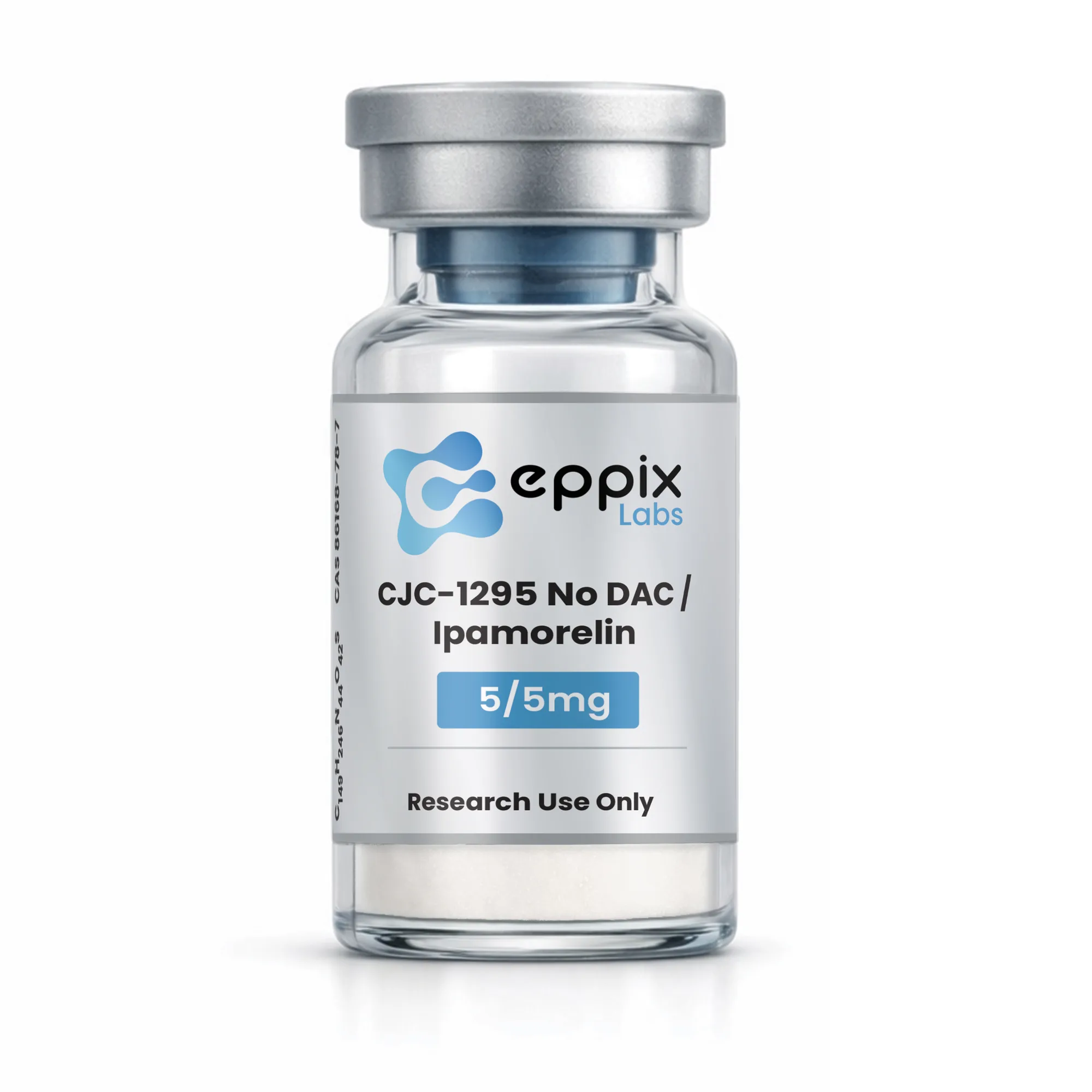
CJC-1295 + Ipamorelin is a dual-peptide research formulation combining a growth hormone–releasing hormone (GHRH) analogue with a selective ghrelin receptor (GHS-R1a) agonist. It is developed for controlled laboratory investigation involving hypothalamic-pituitary signaling systems.