Metabolic & GLP-1
Metabolic & GLP-1 Research Peptides
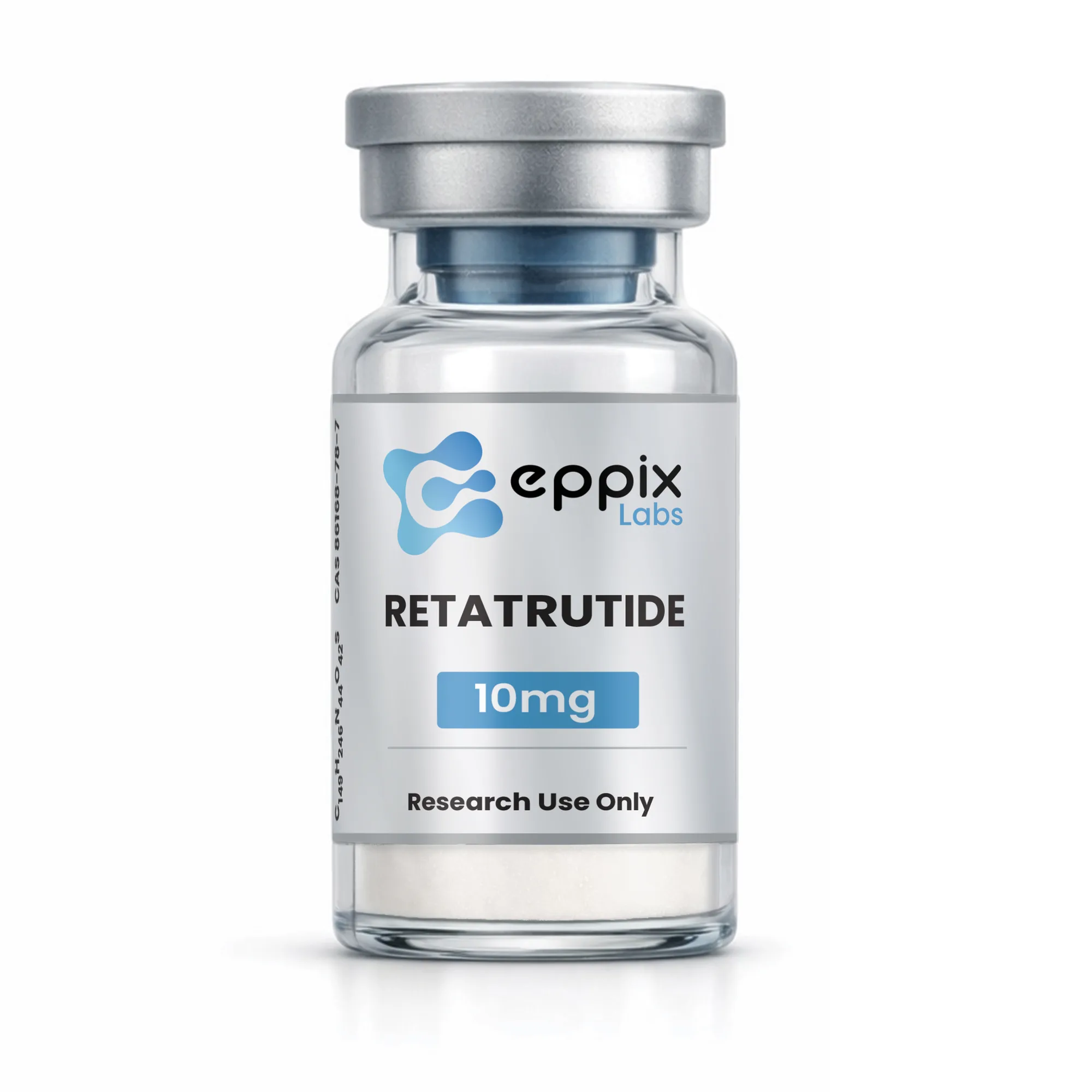
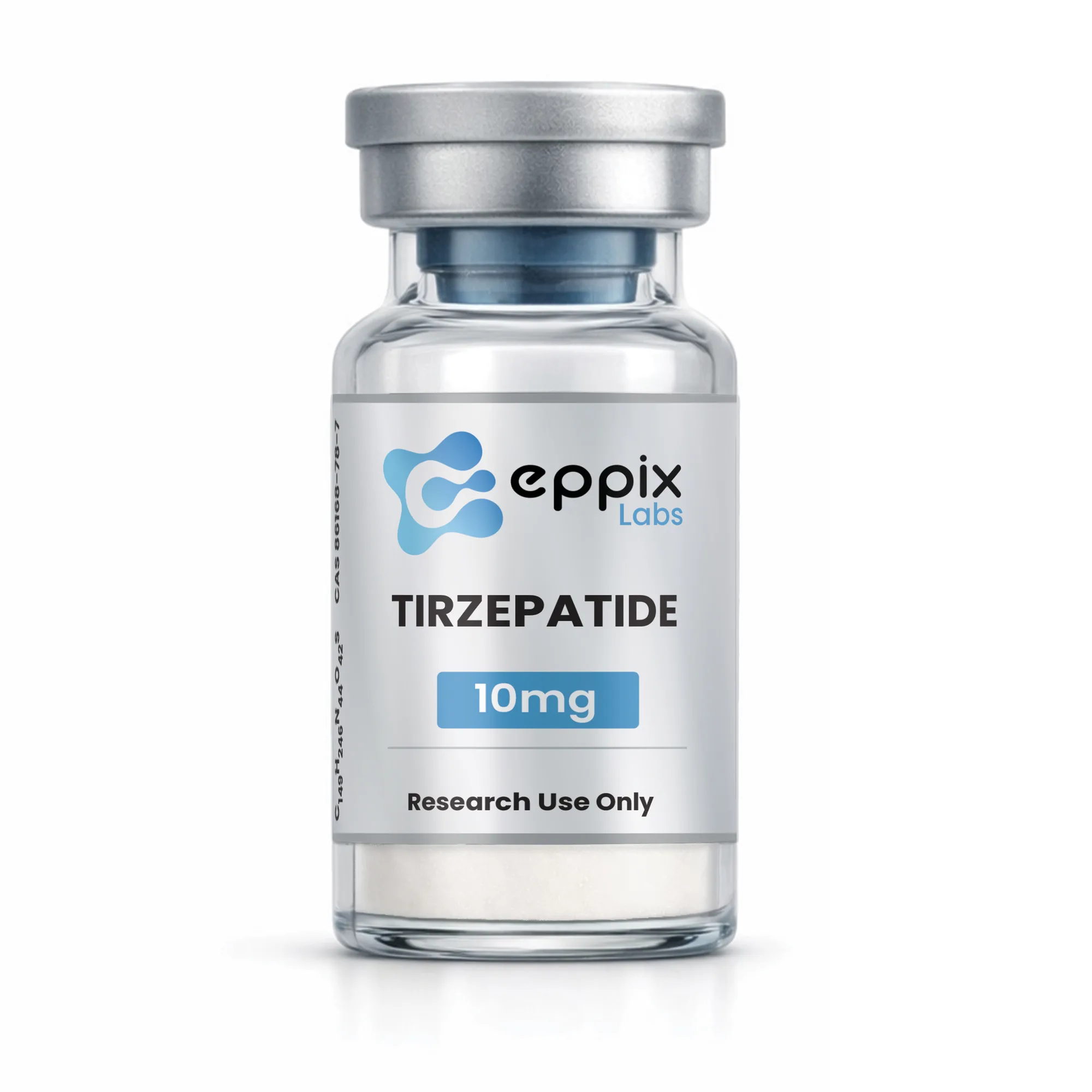
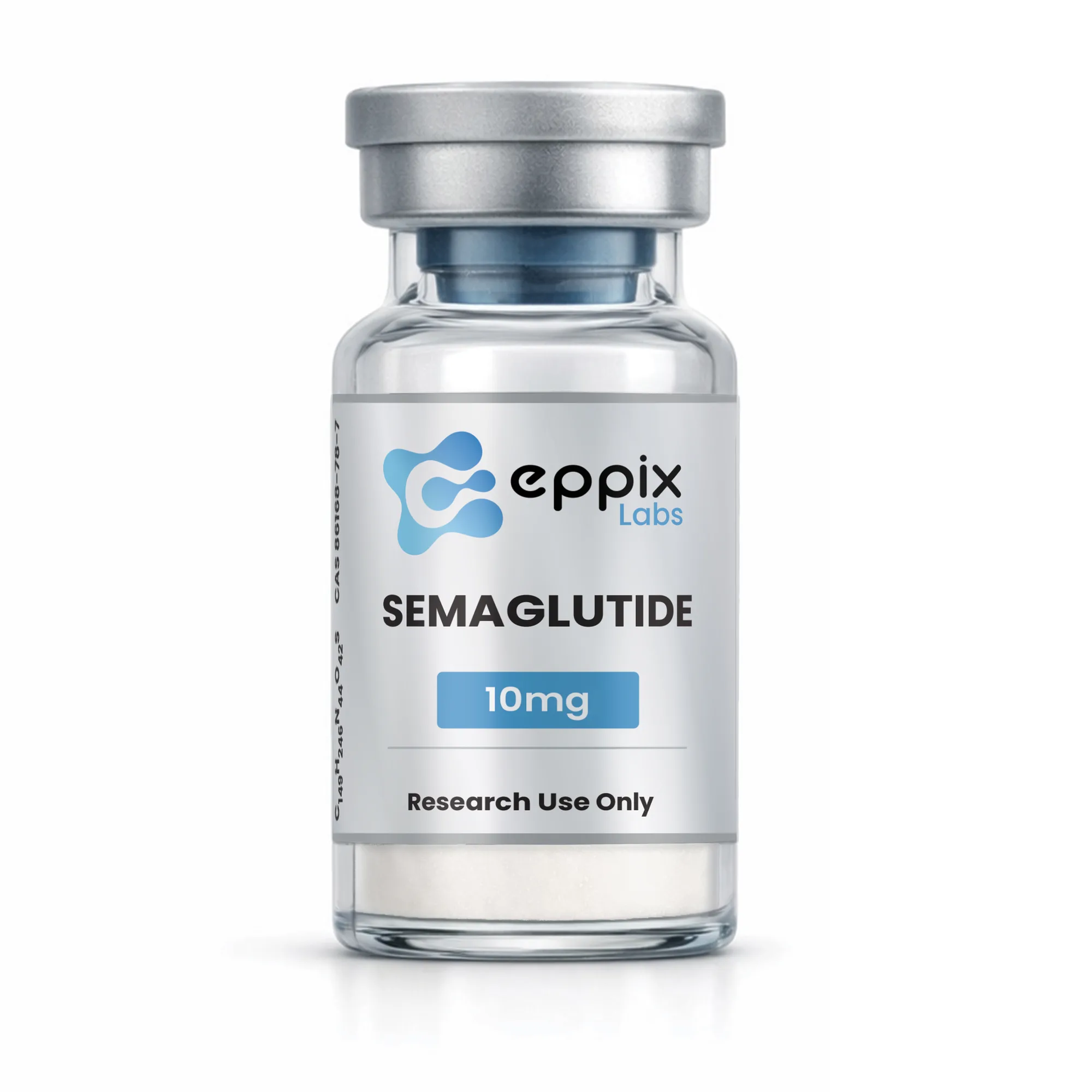
The incretin class covers compounds that act at the GLP-1 receptor and, in the newer molecules, at the GIP and glucagon receptors alongside it. The published research on this group is unusually deep for a research-peptide category: semaglutide and tirzepatide both carry large named clinical programmes, and retatrutide — a triple agonist — has phase 2 data in the literature under its own compound code.
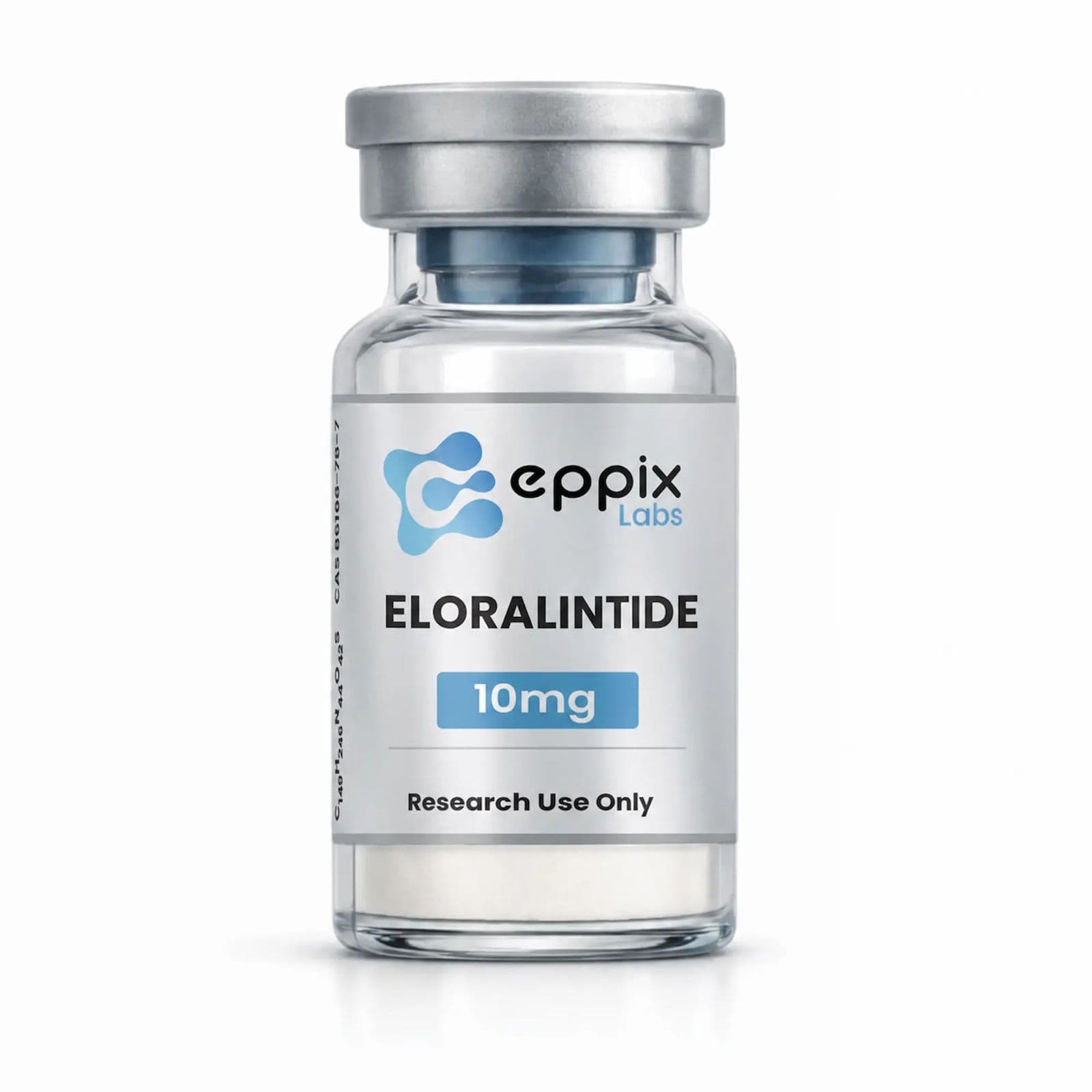
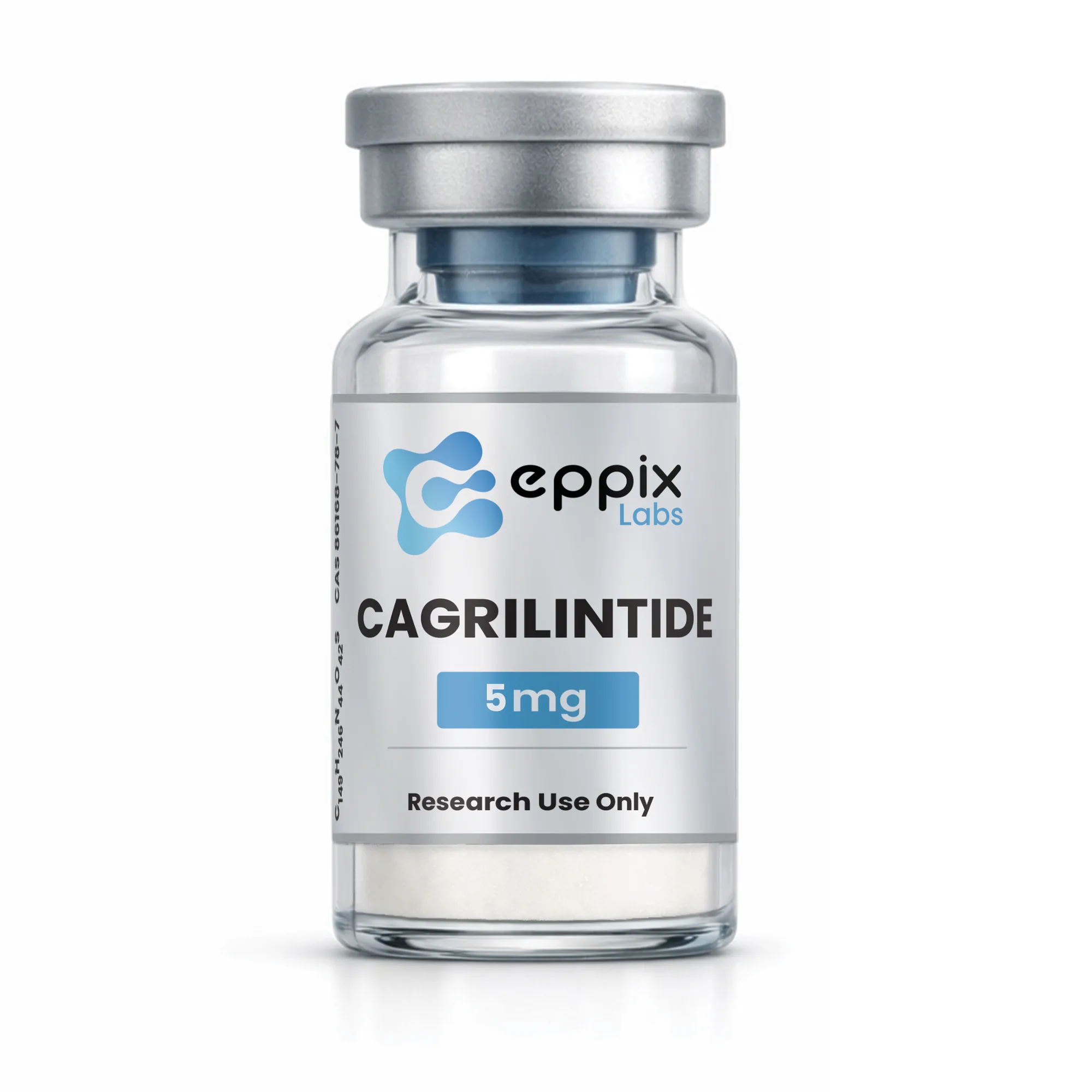
This category groups the single, dual and triple receptor agonists together with the amylin analogues, because the research questions overlap. Cagrilintide and eloralintide are studied at the amylin receptor rather than the incretin receptors, and appear here for that reason. Orforglipron sits in the same collection despite being a non-peptide small molecule, since it is characterised as an orally available GLP-1 receptor agonist.
Every lot in this category is independently assayed before it is released. The batch identifier, the measured purity and the measured content are printed on the product card and on the certificate itself, so the numbers are visible before anything is added to a cart rather than after delivery. All compounds are supplied strictly as laboratory research materials.
In this category: Retatrutide · Tirzepatide · Semaglutide · Cagrilintide
What to check before buying metabolic & glp-1 compounds
Purity is half the number. A purity figure tells you what fraction of the powder in the vial is the compound on the label — it tells you nothing about how much powder is in the vial. A lot can assay at 99.8% purity and still be short against its labelled content.
Both numbers are published for every batch here: purity from HPLC, and measured mass against expected content. Match the batch code printed on the vial to the certificate before you rely on either.
Metabolic & GLP-1 research peptides — common questions
- Are GLP-1 research peptides legal to buy in Canada?
- They are supplied here strictly as laboratory research materials, and are sold on that basis. None of the compounds in this category is approved by Health Canada in this form for diagnosis, treatment or prevention of any condition, and nothing on this site describes human use. The approved medicines that share an active ingredient with some of these compounds are separate, prescription-only products from their originator manufacturers.
- What is the difference between retatrutide, tirzepatide and semaglutide?
- The number of receptors each one is characterised as acting at. Semaglutide is described in the literature as a single GLP-1 receptor agonist; tirzepatide as a dual agonist at GLP-1 and GIP; retatrutide as a triple agonist adding the glucagon receptor. That difference is structural and is the reason the three are studied against one another rather than interchangeably. The comparison guides linked from this page set out what the published trials report for each.
- Why are cagrilintide and eloralintide in the same category?
- They are amylin receptor agonists rather than incretin agonists, so mechanistically they sit apart from the GLP-1 group. They are collected here because the research questions overlap — the published work studies them alongside and in combination with incretin compounds rather than in isolation.
- What is published for each lot in this category?
- The lot code, the HPLC purity figure and the measured content against the labelled amount, plus the issuing laboratory and its test date. All of it is on the product card before anything is added to a cart, and the full certificate is linked from the lot code so the numbers can be read in the laboratory’s own report rather than in our summary of it.