Research Use OnlyAll materials supplied for laboratory research within Canada
Latest Additions
New Research Peptides in Canada
The most recently listed research compounds in the Canadian catalogue, newest first. Each one is tested by an independent third-party laboratory before it is listed, and the certificate for its lot is published against the batch code printed on the vial.
Cartilage-Derived Peptide Research Compound
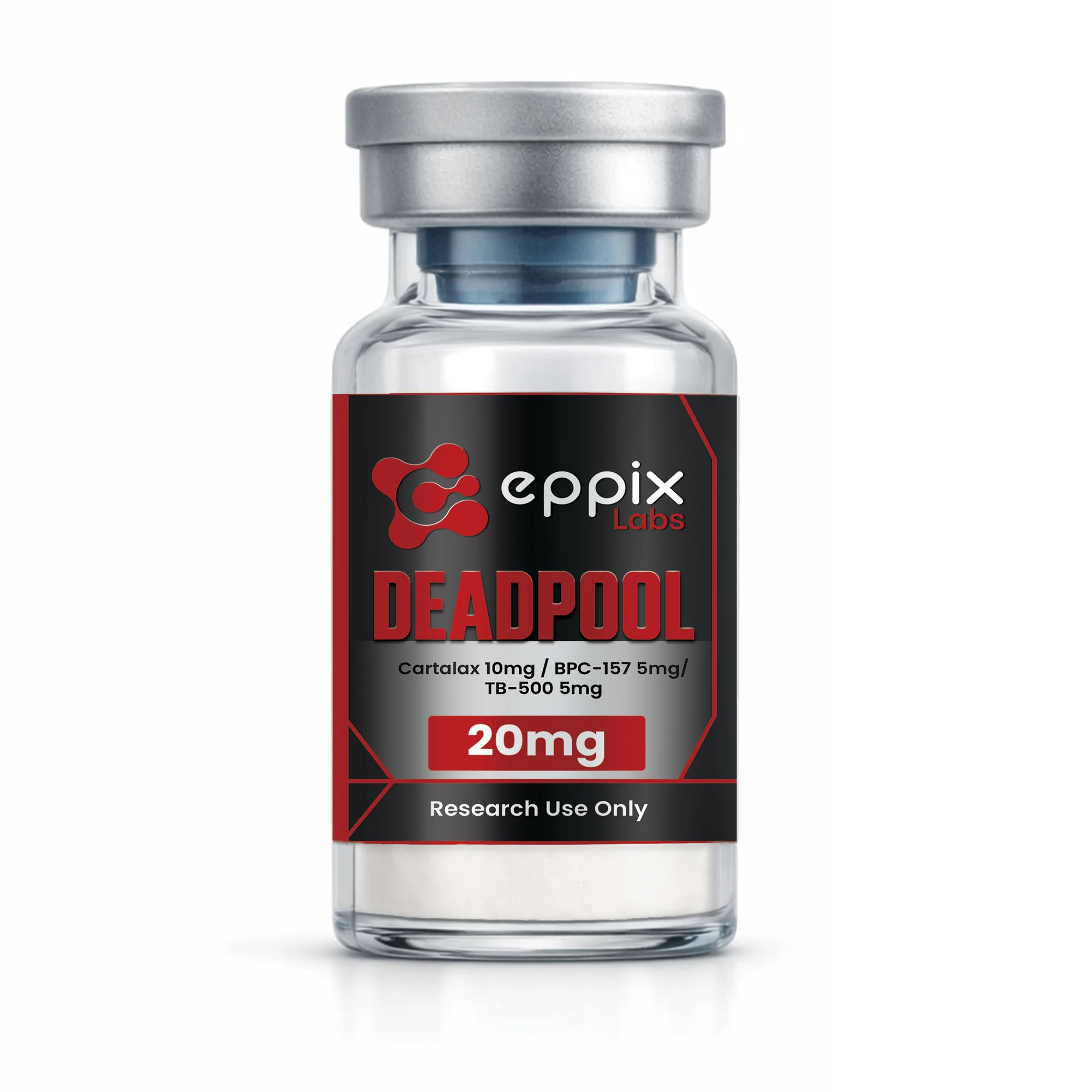
Cartalax is a synthetic peptide complex derived from cartilage-associated protein fractions and is developed for controlled laboratory research involving connective tissue signaling systems.
Peptide Bioregulator
Vilon is the dipeptide Lys-Glu, one of the most extensively studied short peptide bioregulators, examined in research on chromatin activation and immune endpoints.
Peptide Bioregulator
Cardiogen is a short synthetic peptide of the bioregulator class, studied in research for tissue-specific activity in myocardial-tissue models.
Triple GIP / GLP-1 / Glucagon Agonist · 10, 20, 40 & 120 mg
Retatrutide is a synthetic peptide developed for controlled laboratory research involving multi-receptor signaling systems. It is structurally designed to interact with GLP-1, GIP, and glucagon receptor pathways within experimental environments.
GHRH Analogue Research Peptide
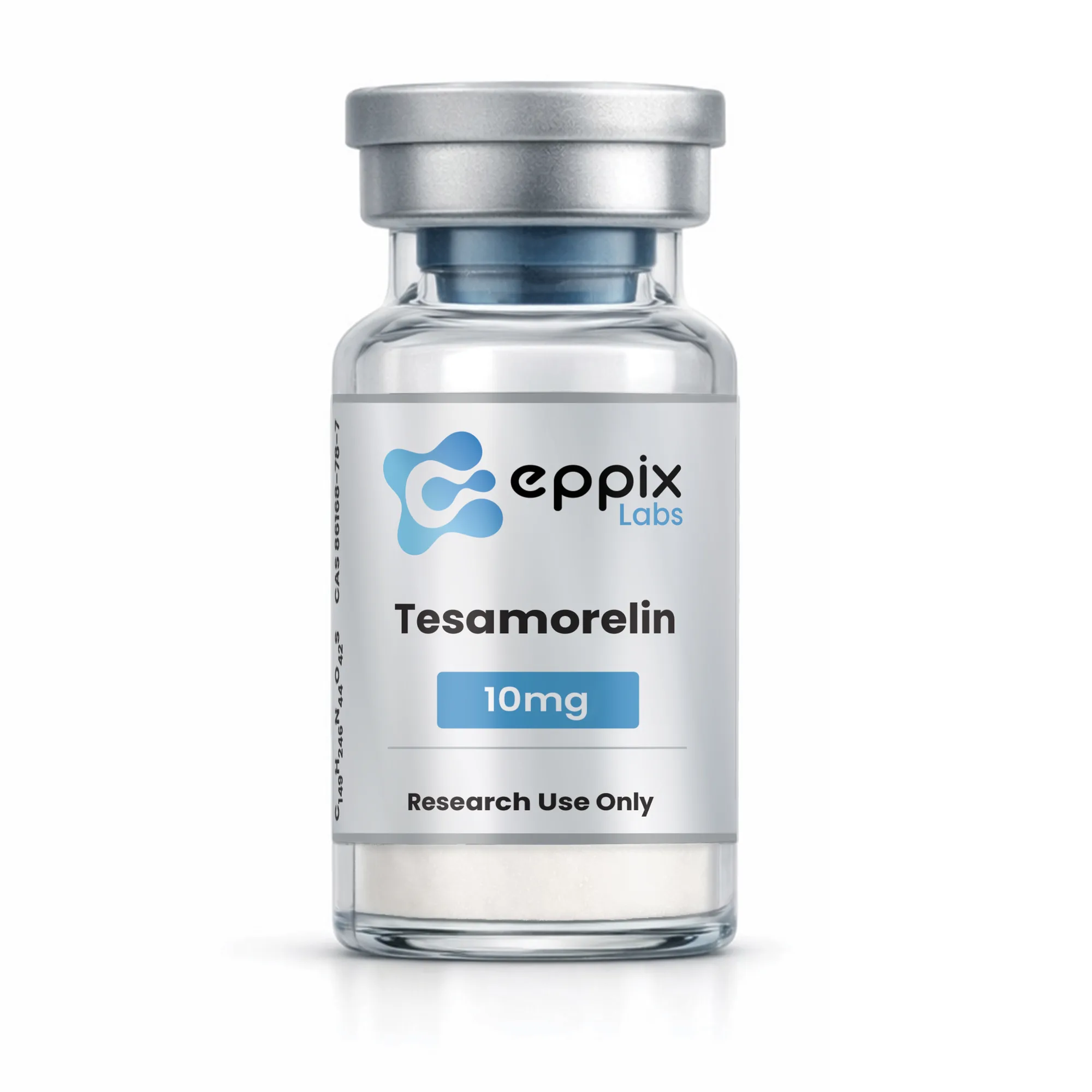
Tesamorelin is a synthetic peptide analogue of growth hormone–releasing hormone (GHRH). It is developed for controlled laboratory research involving hypothalamic-pituitary signaling systems.
Tuftsin-Analogue Anxiolytic Peptide
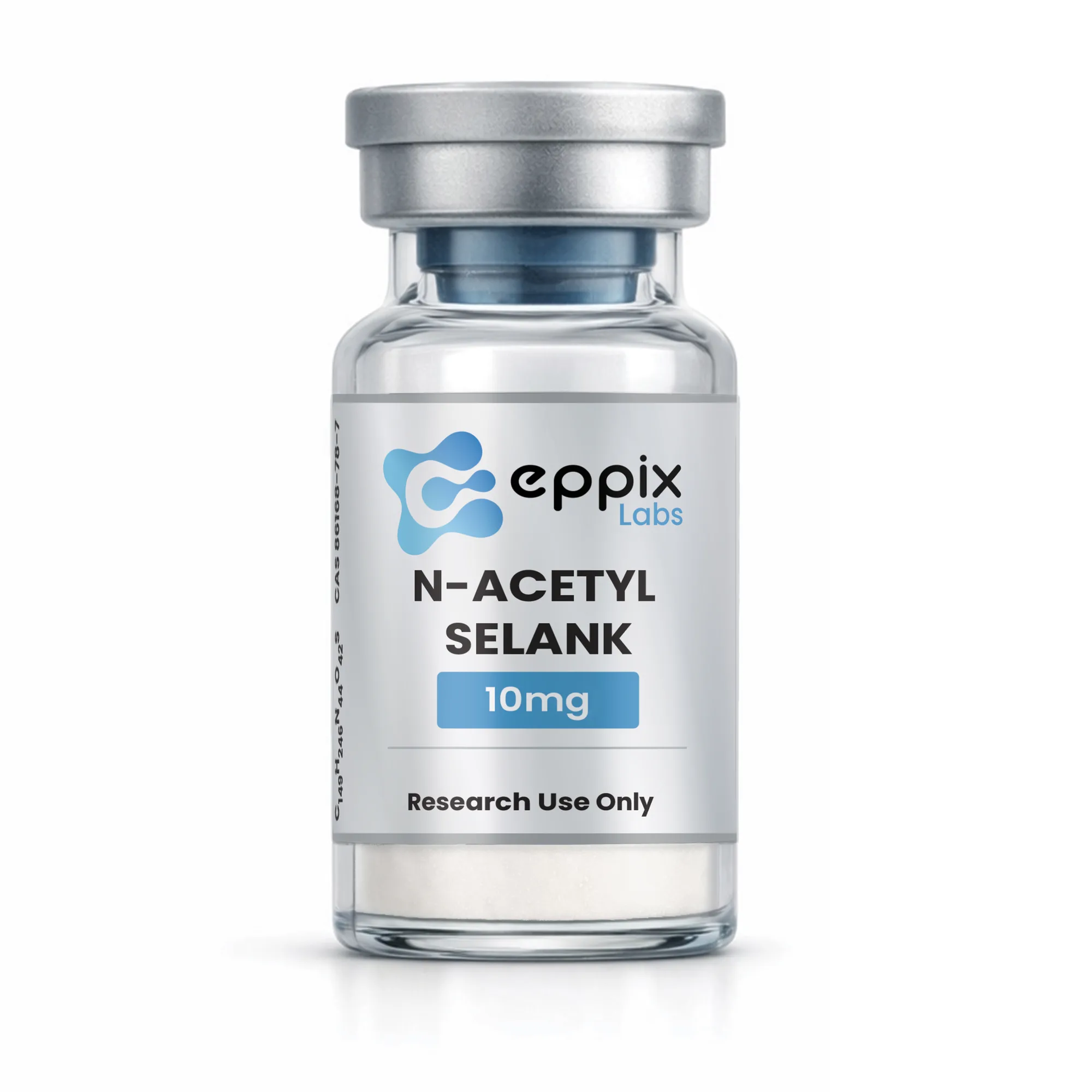
N-Acetyl Selank is an N-acetylated form of Selank, a synthetic heptapeptide analogue of the immunomodulatory peptide tuftsin, studied in research for anxiolytic and neuromodulatory signaling.
ACTH(4-10)-Analogue Nootropic Peptide
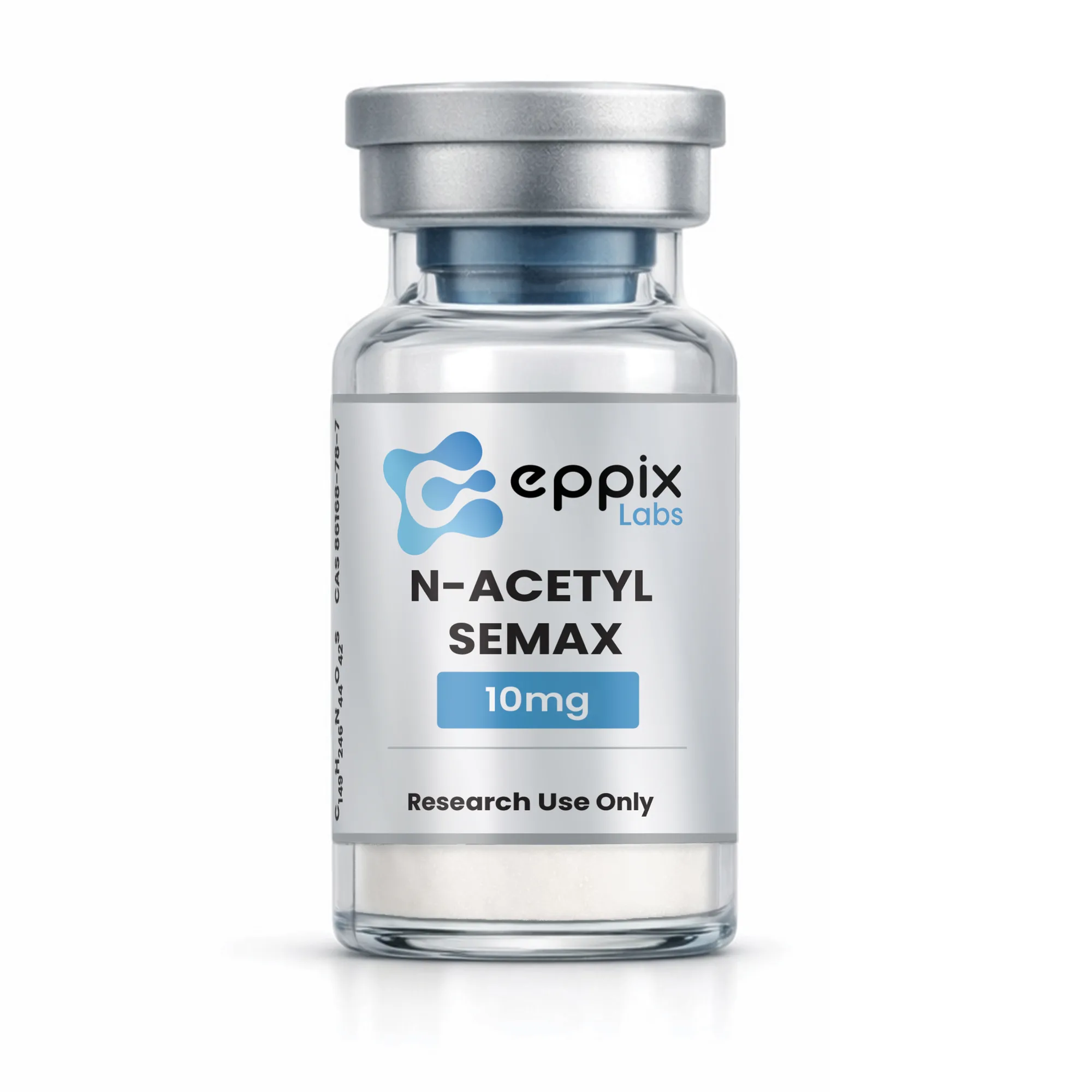
N-Acetyl Semax is an N-acetylated form of Semax, a synthetic analogue of an ACTH(4-10) fragment, studied in research for nootropic and neuroprotective signaling.
Copper Peptide Research Compound
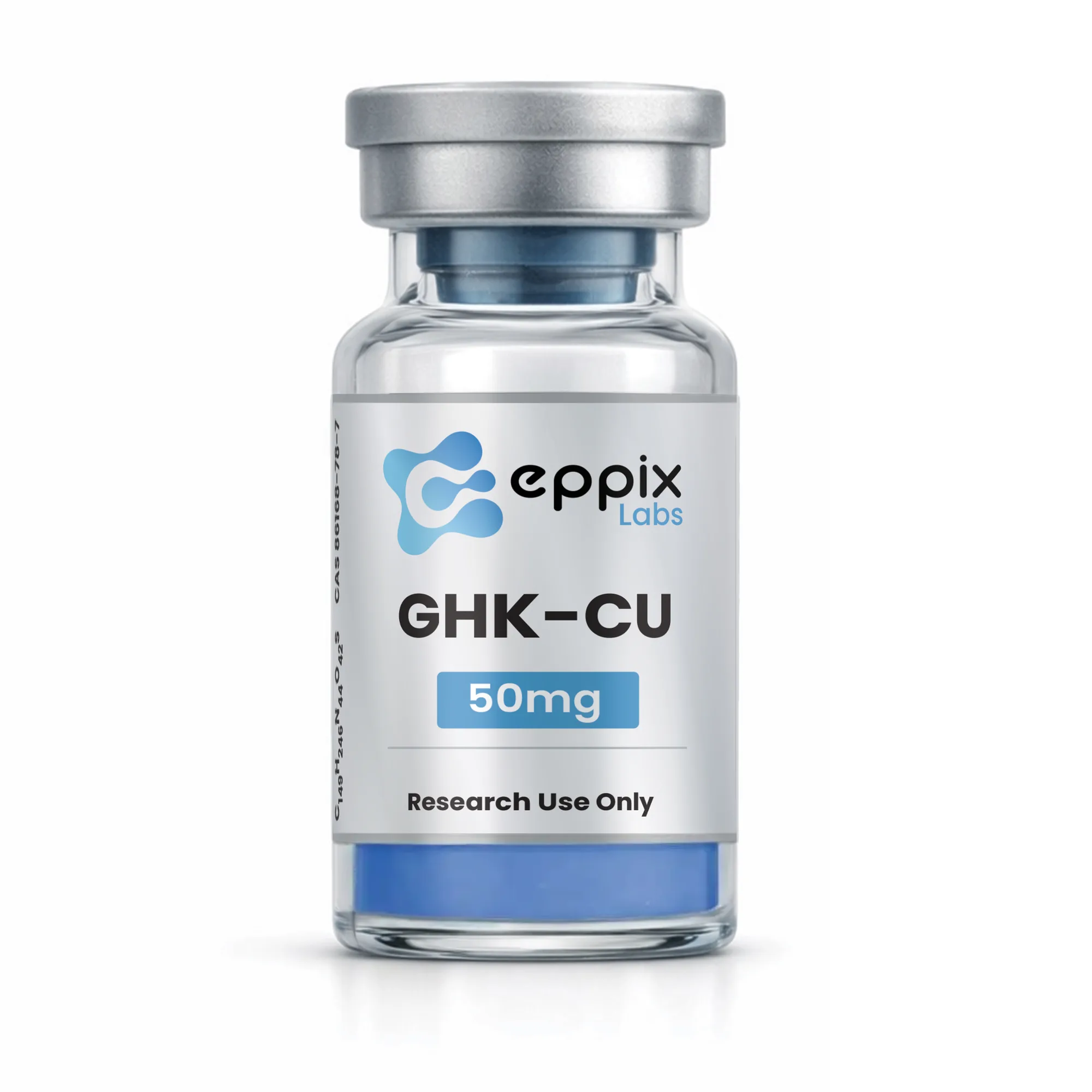
GHK-Cu is a synthetic copper-binding tripeptide composed of glycine, histidine, and lysine complexed with copper ions. It is developed for controlled laboratory research involving peptide–metal interaction systems.
Mitochondrial-Derived Peptide
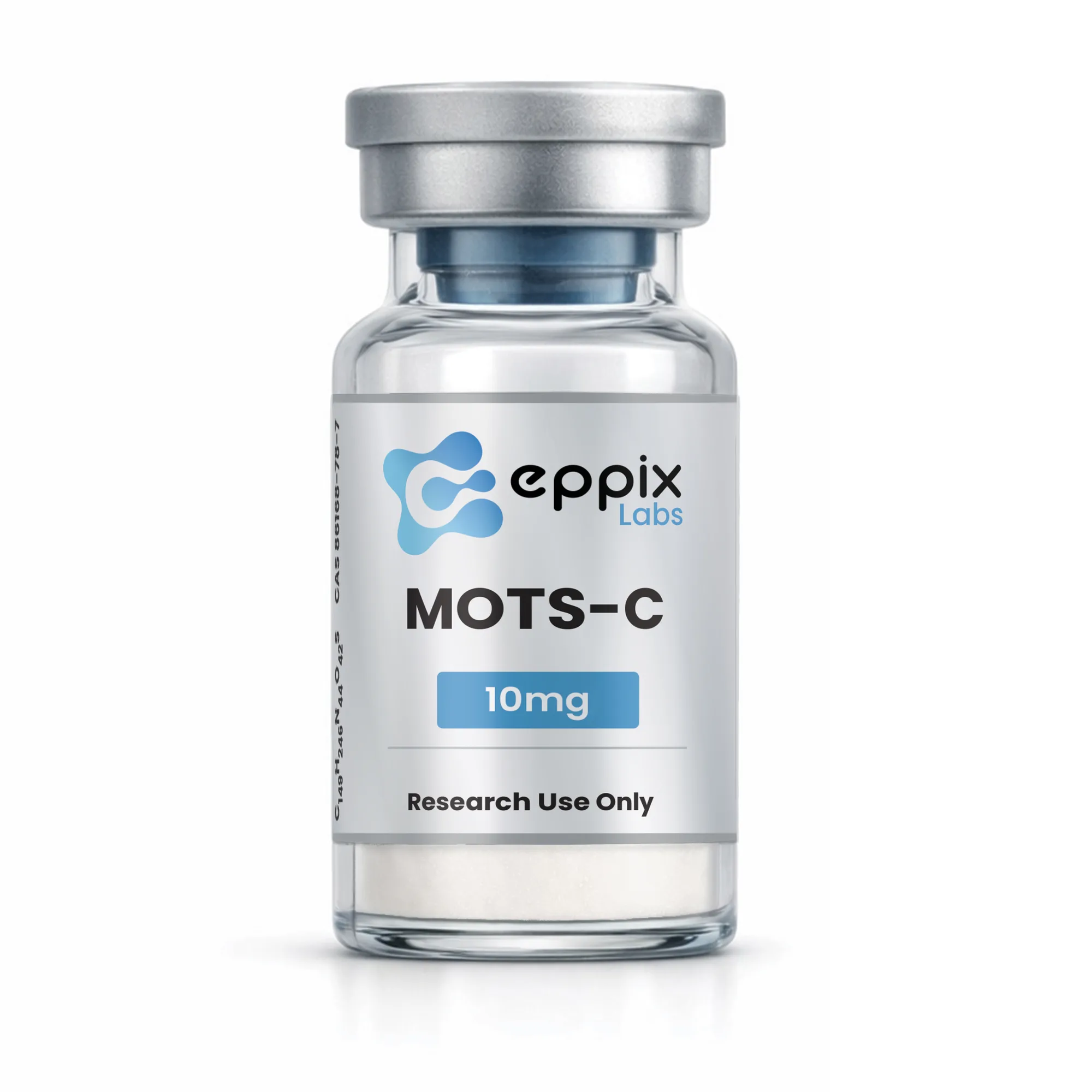
MOTS-c (Mitochondrial Open Reading Frame of the 12S rRNA-c) is a mitochondrial-derived peptide identified through genomic analysis of mitochondrial DNA. It is synthesized for controlled laboratory research and studied within experimental environments focused on cellular and metabolic signaling.
Mitochondria-Targeted Peptide Research Compound
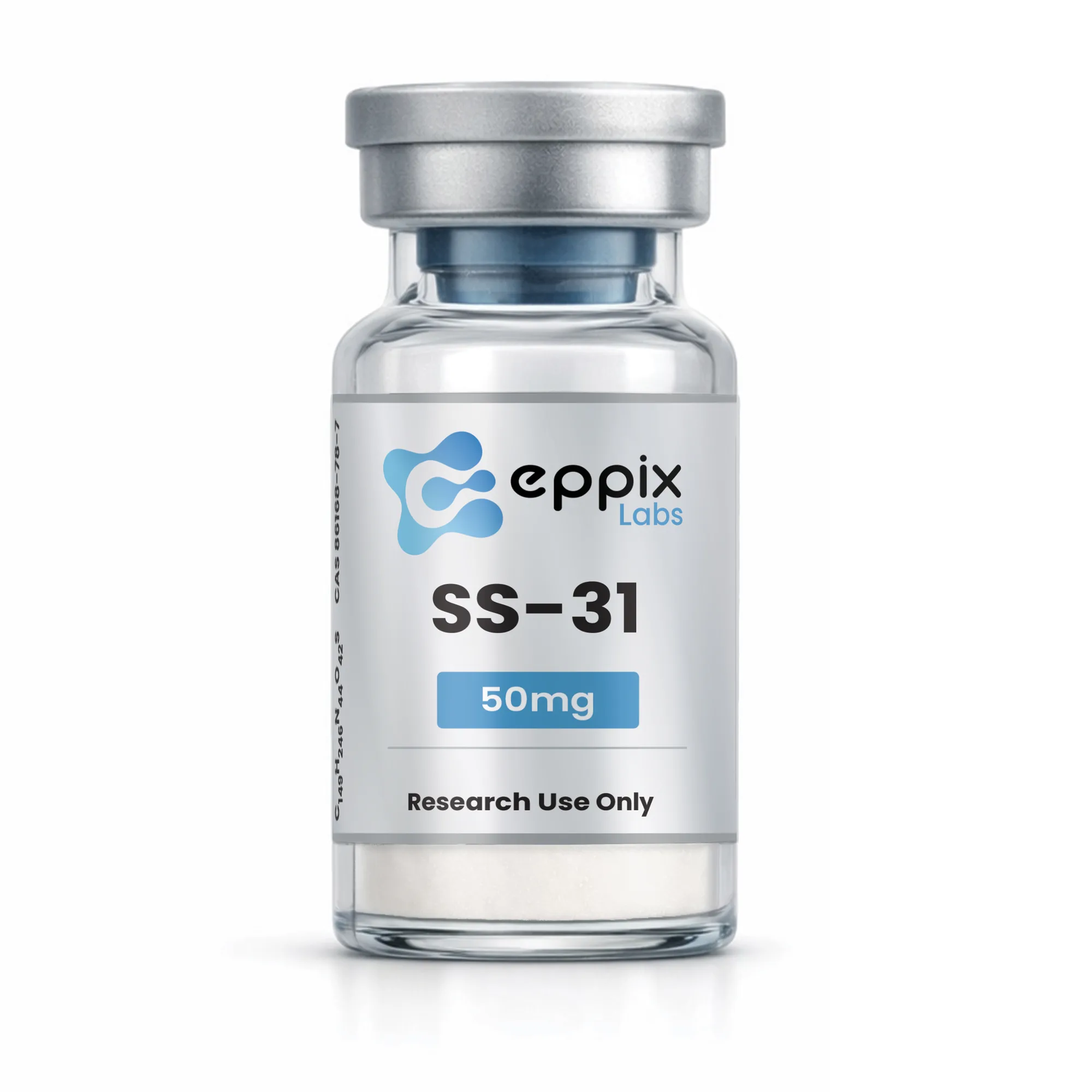
SS-31 is a synthetic tetrapeptide designed for controlled laboratory research involving mitochondrial-associated signaling systems. It is also known in scientific literature as elamipretide.
Body Protection Compound Pentadecapeptide · 10 mg
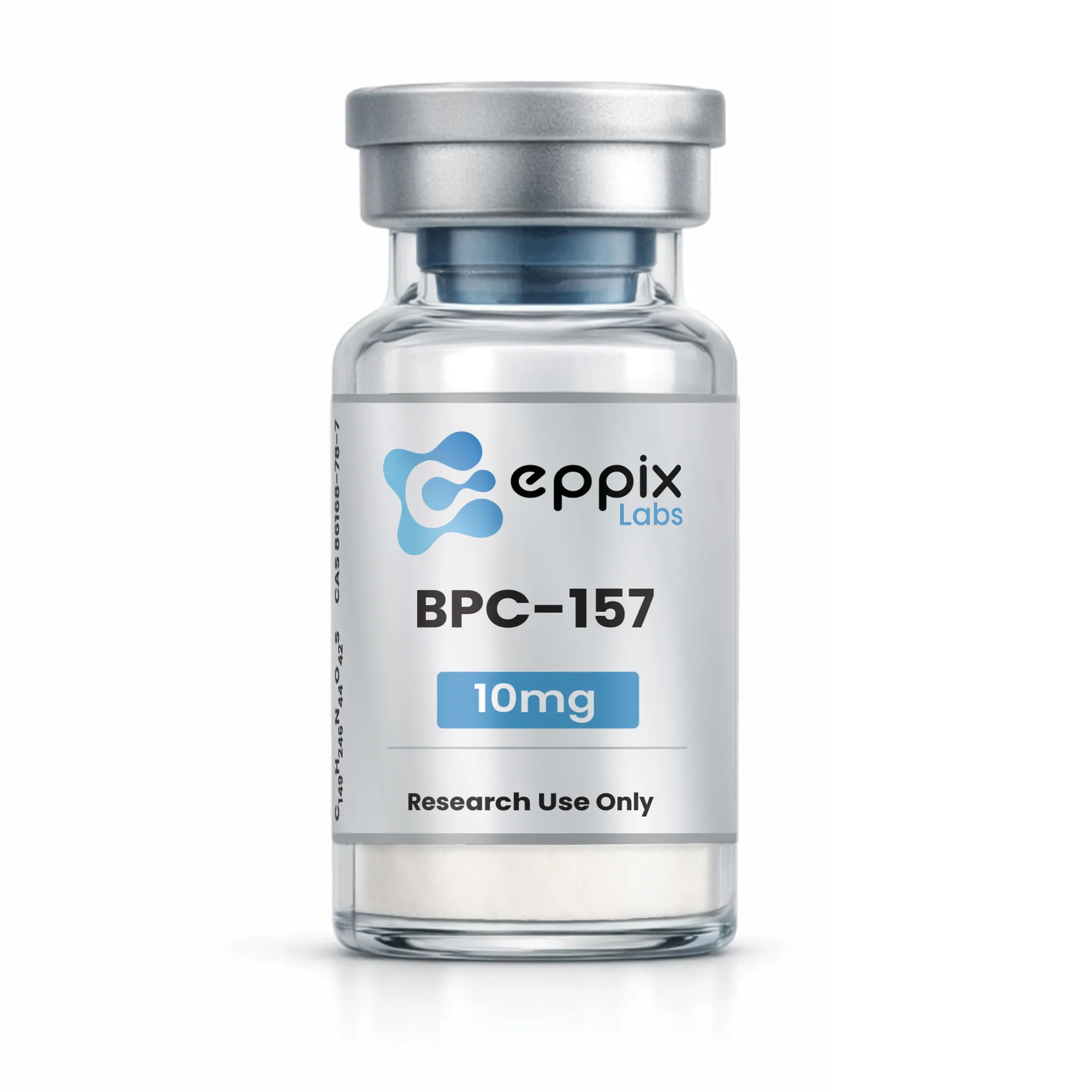
BPC-157 is a synthetic peptide derived from a fragment of a naturally occurring gastric protein. It is produced for laboratory research and studied within controlled experimental environments.
Multi-Peptide Research Blend
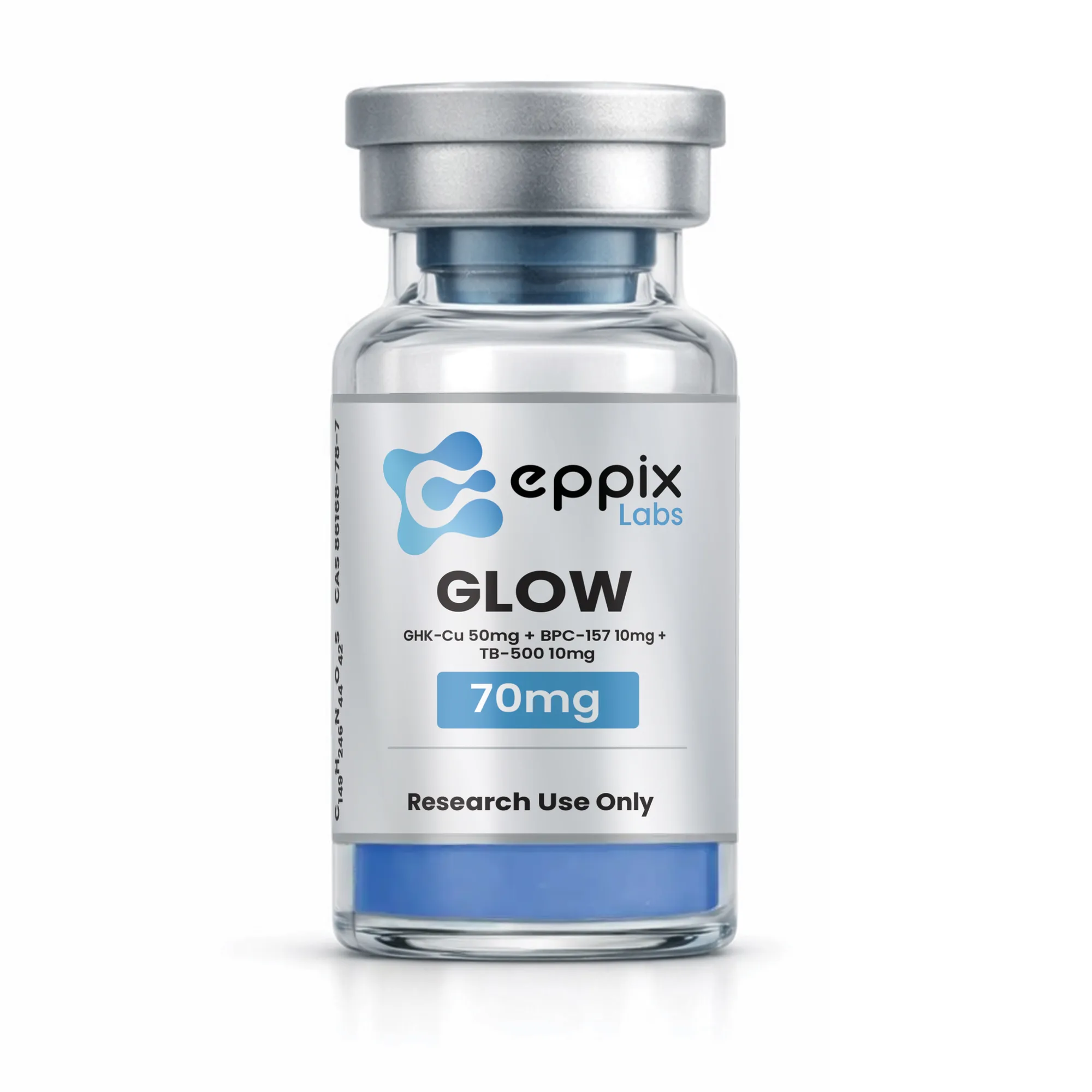
GLOW is a multi-peptide research blend formulated for controlled laboratory investigation. It integrates GHK-Cu, BPC-157, and TB-500 into a single experimental compound.
Dual GIP / GLP-1 Agonist · 10, 30 & 65 mg
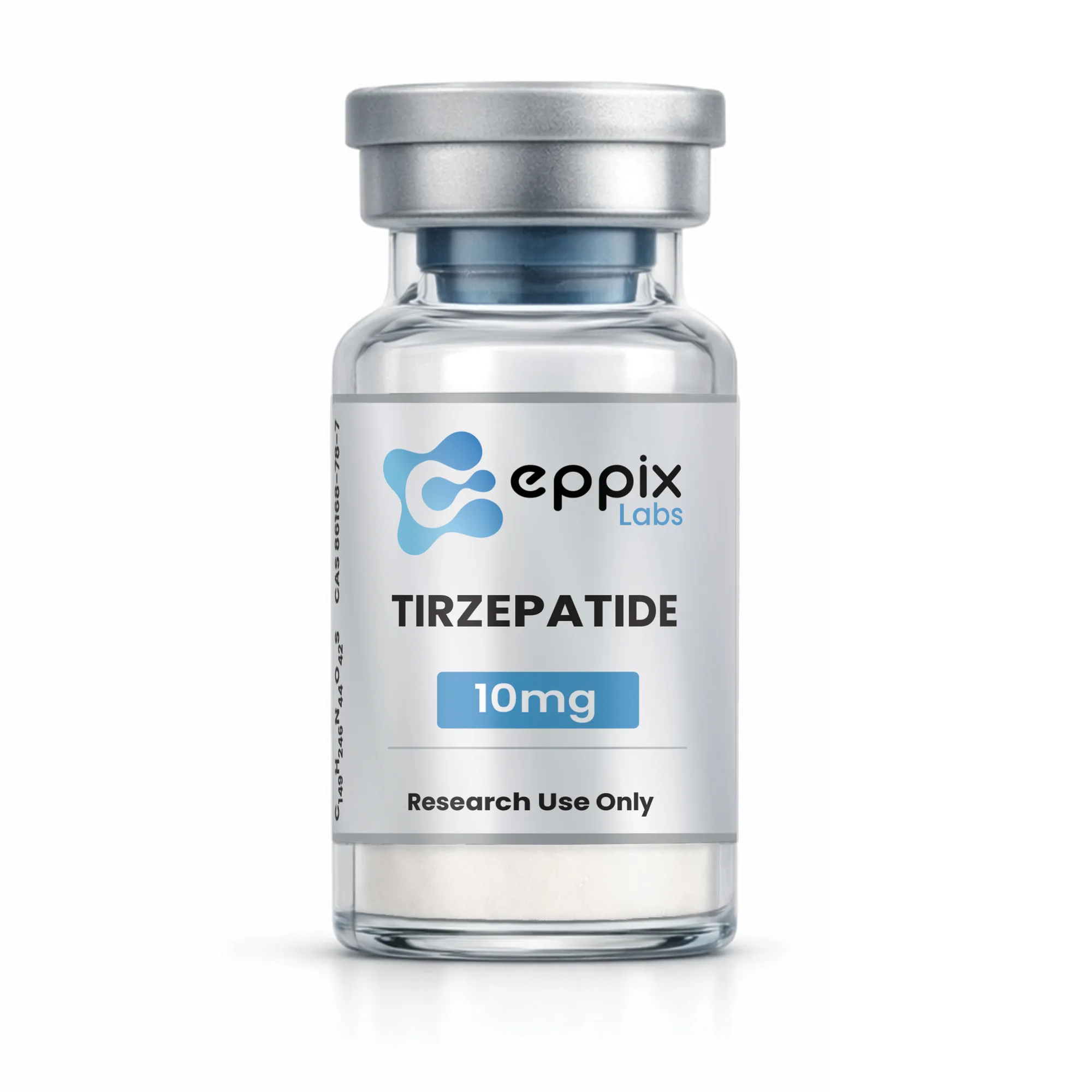
Tirzepatide is a synthetic peptide developed for controlled laboratory research involving dual incretin receptor signaling systems. It is structurally designed to interact with GLP-1 and GIP receptor pathways within experimental environments.
PPARδ Agonist Research Compound
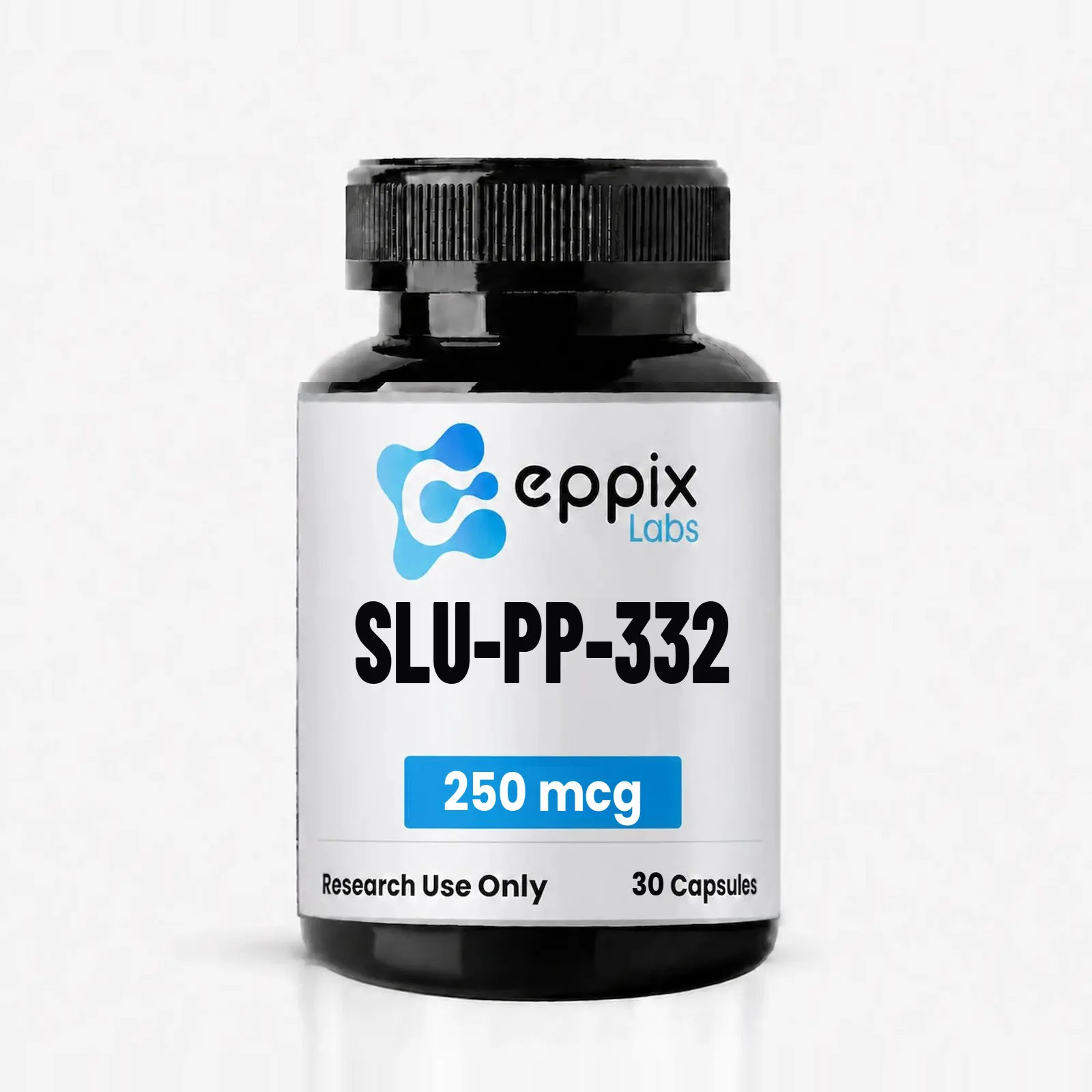
SLU-PP-332 is a small-molecule research compound studied as a selective peroxisome proliferator-activated receptor delta (PPARδ) agonist. It is developed for controlled laboratory investigation involving nuclear receptor signaling systems.
Senolytic Research Peptide
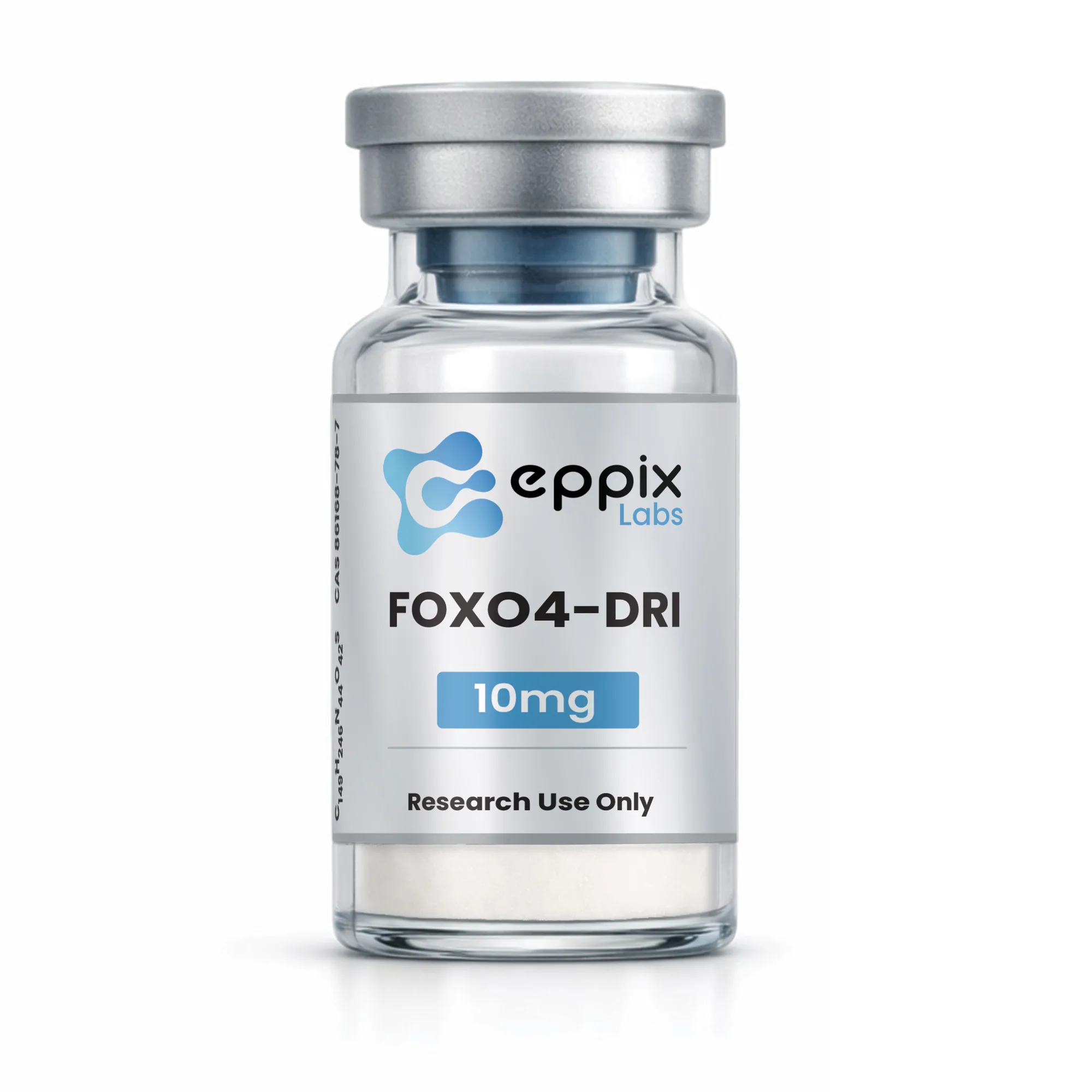
FOXO4-DRI is a 46-residue D-retro-inverso peptide studied in research as a senolytic agent that targets the interaction between FOXO4 and p53.
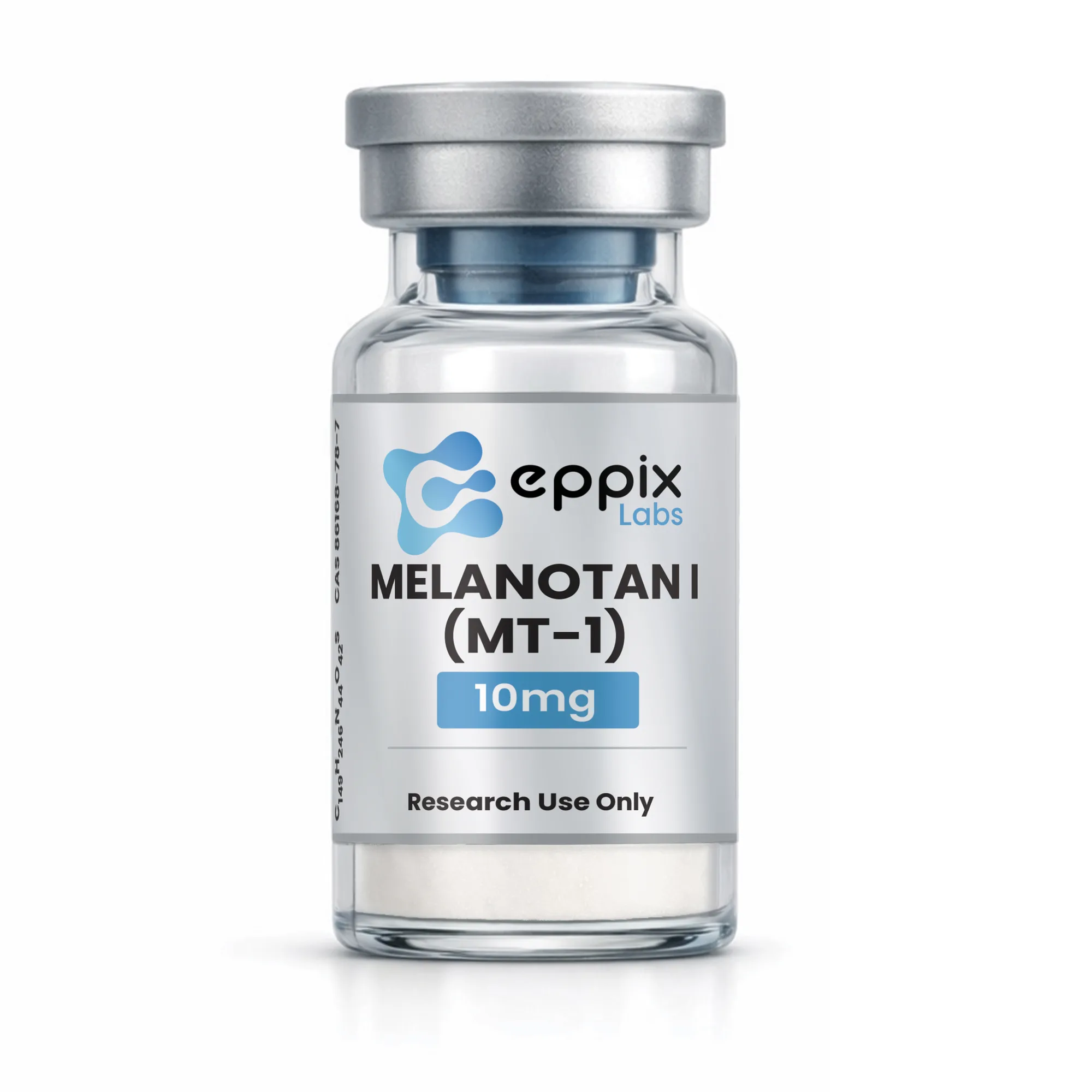
Melanocortin Receptor Agonist
Melanotan-1 (afamelanotide) is a synthetic analogue of α-melanocyte-stimulating hormone, studied in research for melanocortin-receptor signaling.
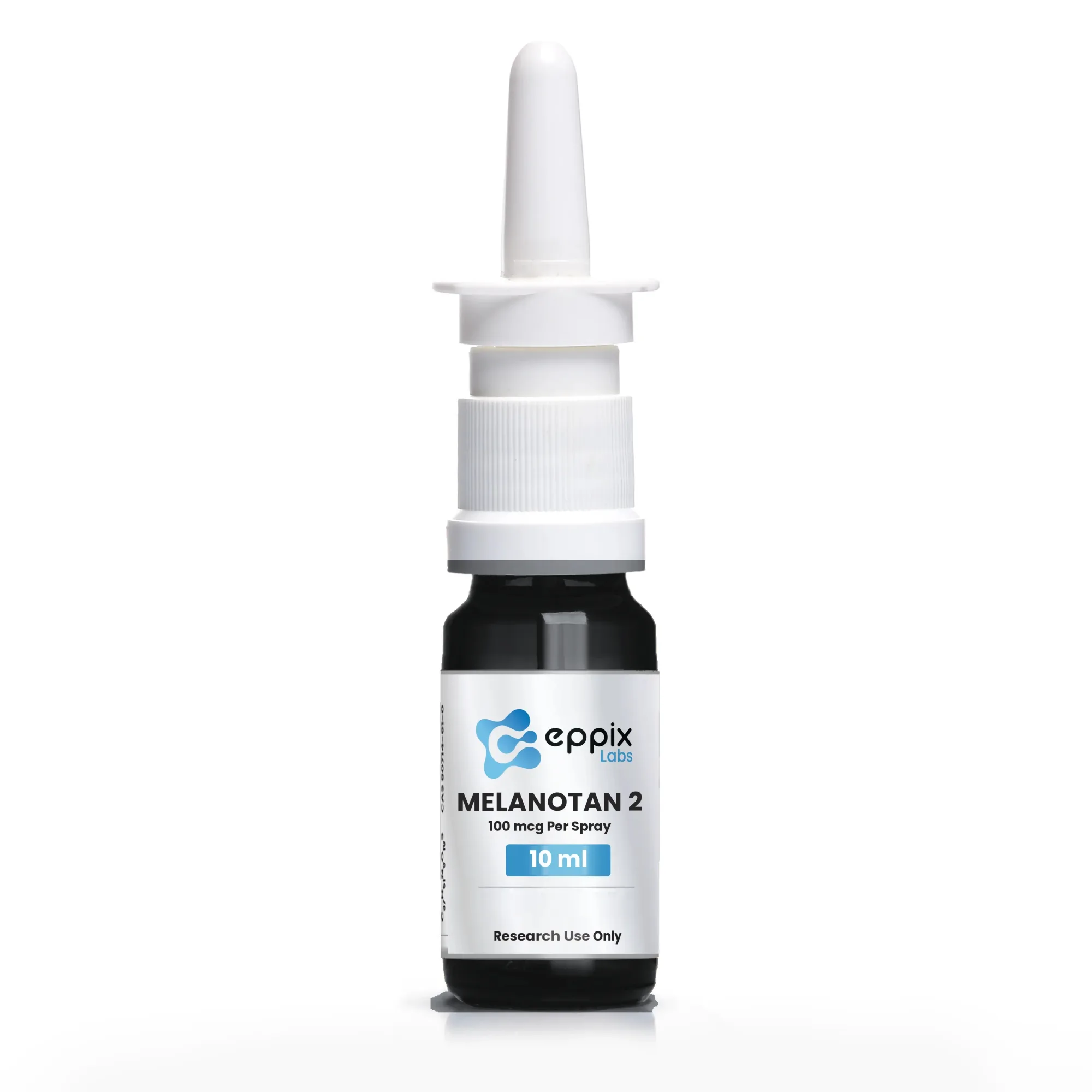
Melanocortin Receptor Research Peptide — Nasal Spray
Melanotan II is a synthetic cyclic peptide analogue derived from alpha-melanocyte–stimulating hormone (α-MSH). It is developed for controlled laboratory research involving melanocortin receptor signaling systems.
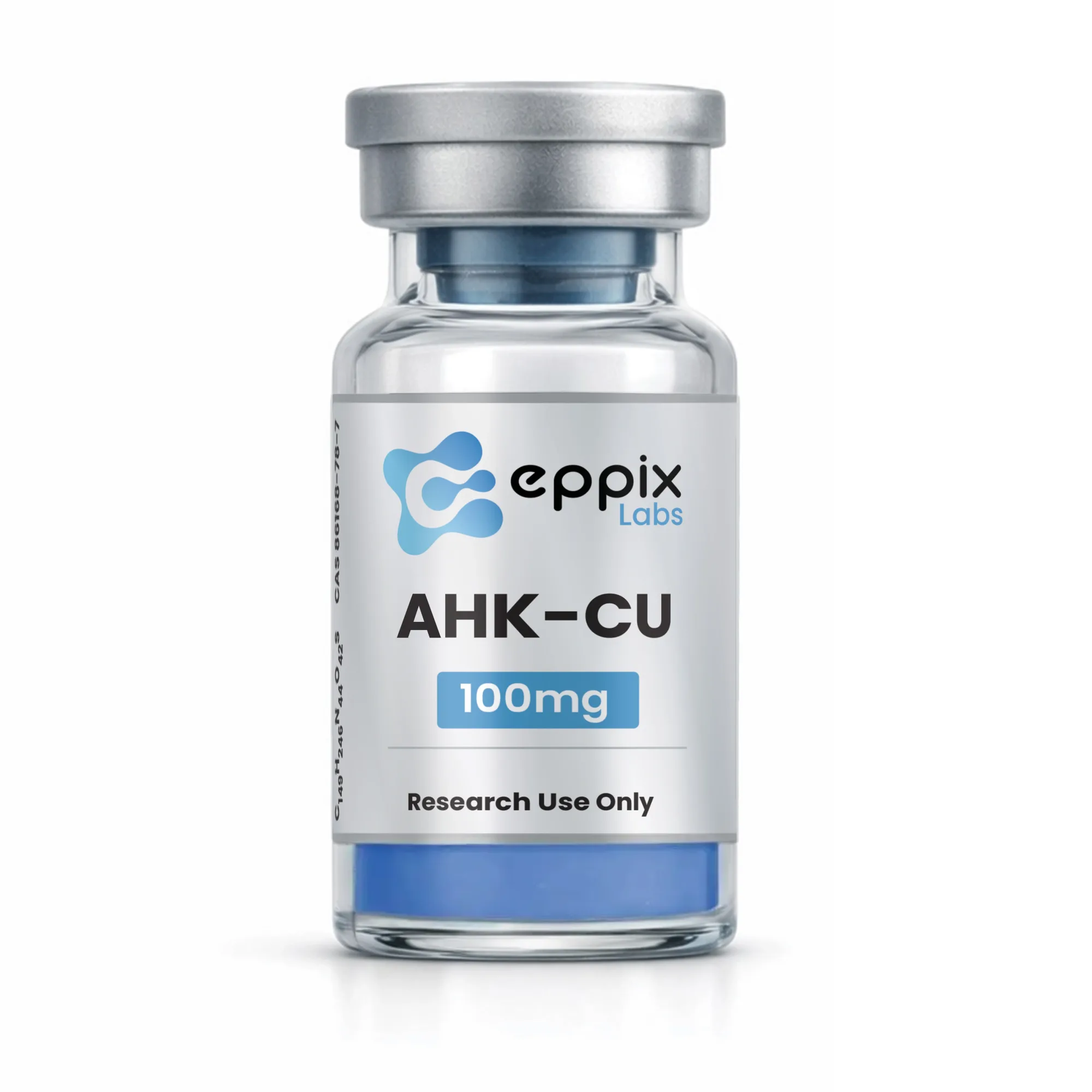
Copper-Binding Tripeptide Complex
AHK-Cu is a copper complex of the tripeptide alanyl-histidyl-lysine. The peptide portion coordinates a copper(II) ion, and the material is supplied as a lyophilized solid for laboratory research only.
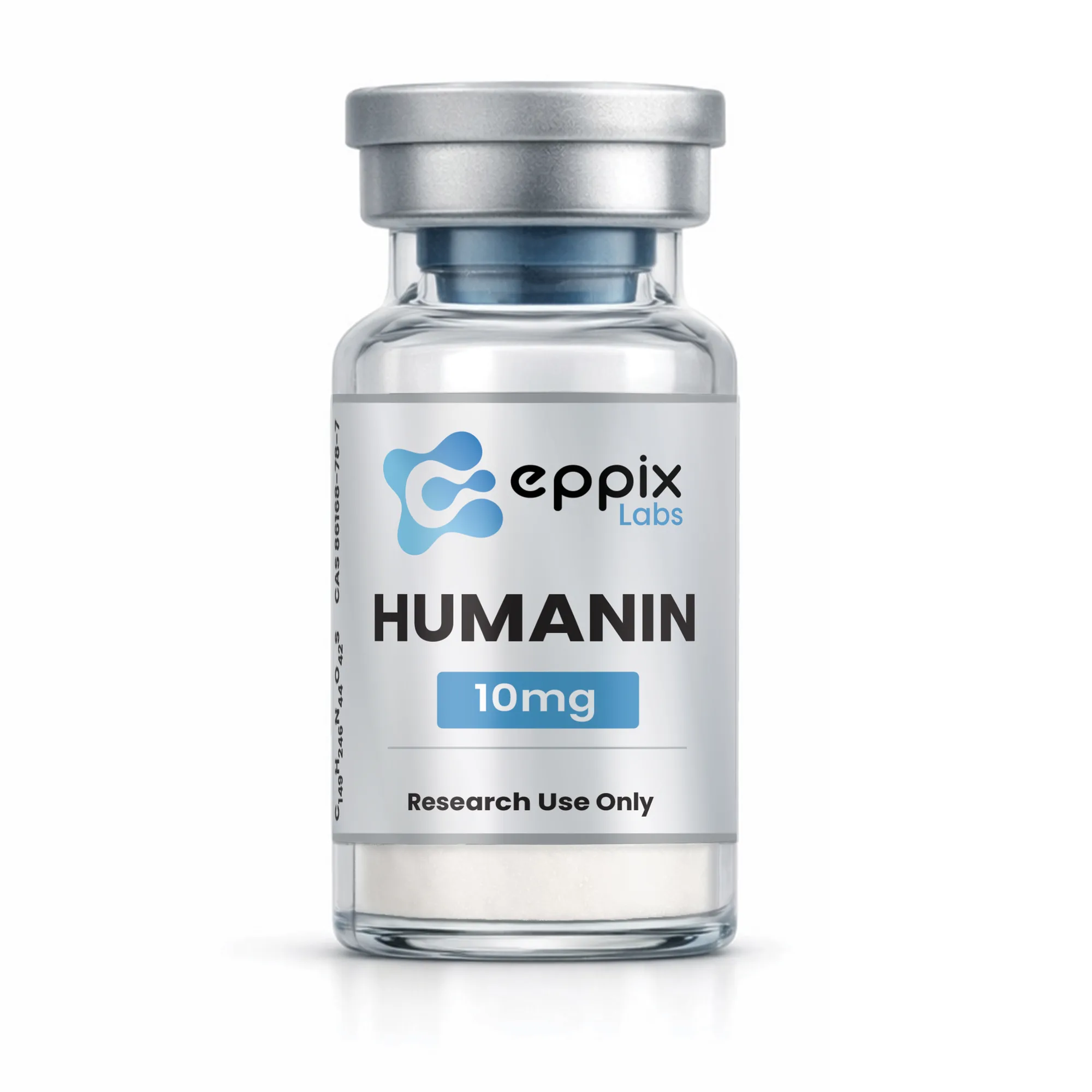
Mitochondrial-Derived Peptide
Humanin is a 24-residue peptide encoded within the mitochondrial genome, studied in research on cytoprotection and apoptosis-related signaling.
Immunomodulatory Dipeptide
Thymogen is the dipeptide L-glutamyl-L-tryptophan, studied in research on immune modulation and, in rodent models, on carcinogenesis endpoints.
Nicotinamide N-Methyltransferase (NNMT) Inhibitor Research Compound
5-Amino-1MQ is a small-molecule research compound studied as an inhibitor of nicotinamide N-methyltransferase (NNMT), an enzyme involved in cellular metabolic regulation. It is developed for controlled laboratory investigation within experimental environments.
GHRH Analogue Research Peptide
CJC-1295 (No DAC) is a synthetic peptide analogue of growth hormone–releasing hormone (GHRH) developed for controlled laboratory research. The “No DAC” designation indicates the absence of a drug affinity complex, resulting in a shorter receptor interaction profile within experimental systems.