Mechanism: one receptor against three
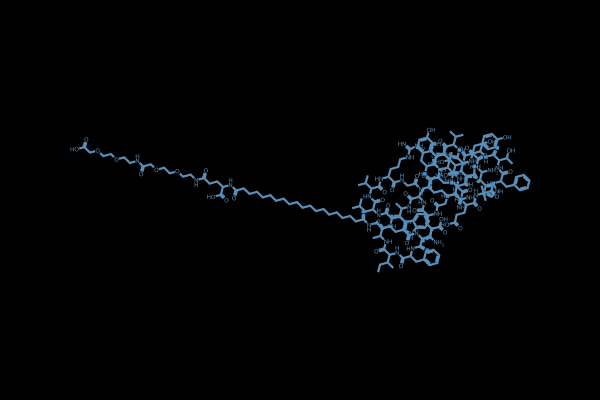
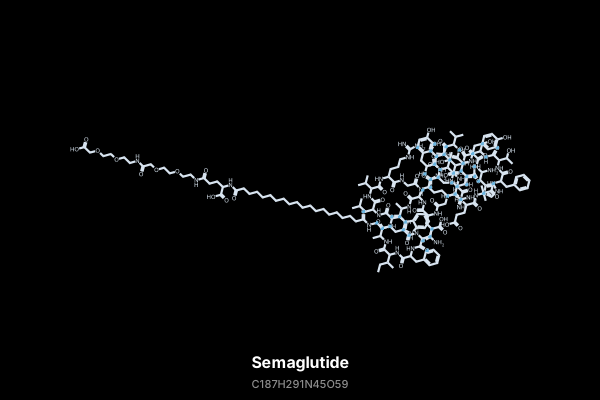
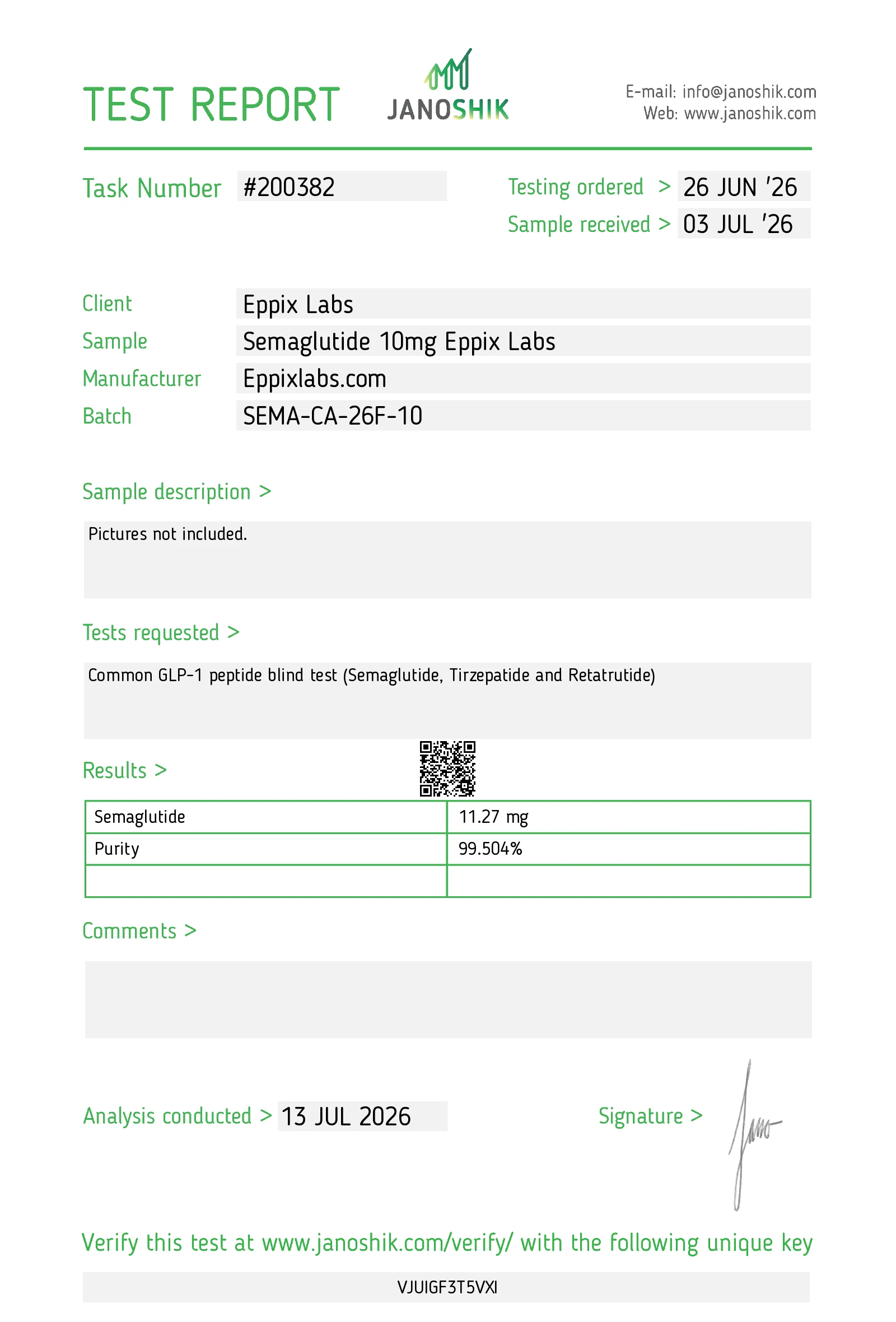
Semaglutide is a GLP-1 receptor agonist. It is an acylated analogue of human GLP-1 engineered for a long circulating half-life, with substitutions that resist DPP-4 cleavage and a fatty-acid chain that binds albumin.[4] One receptor, heavily optimised.
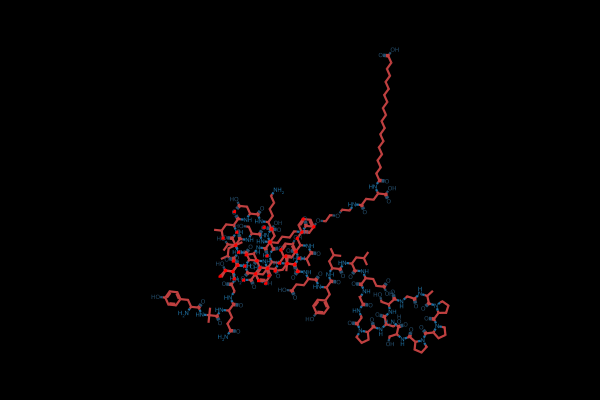
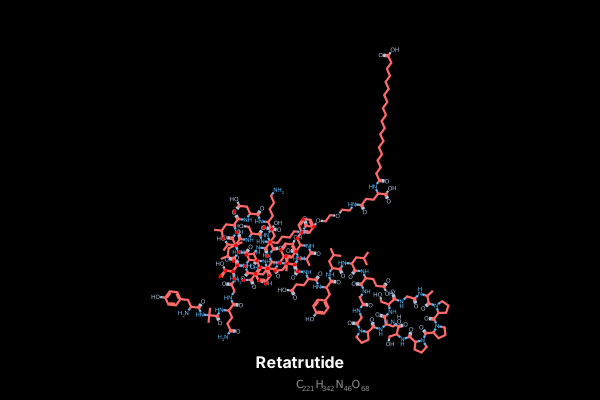
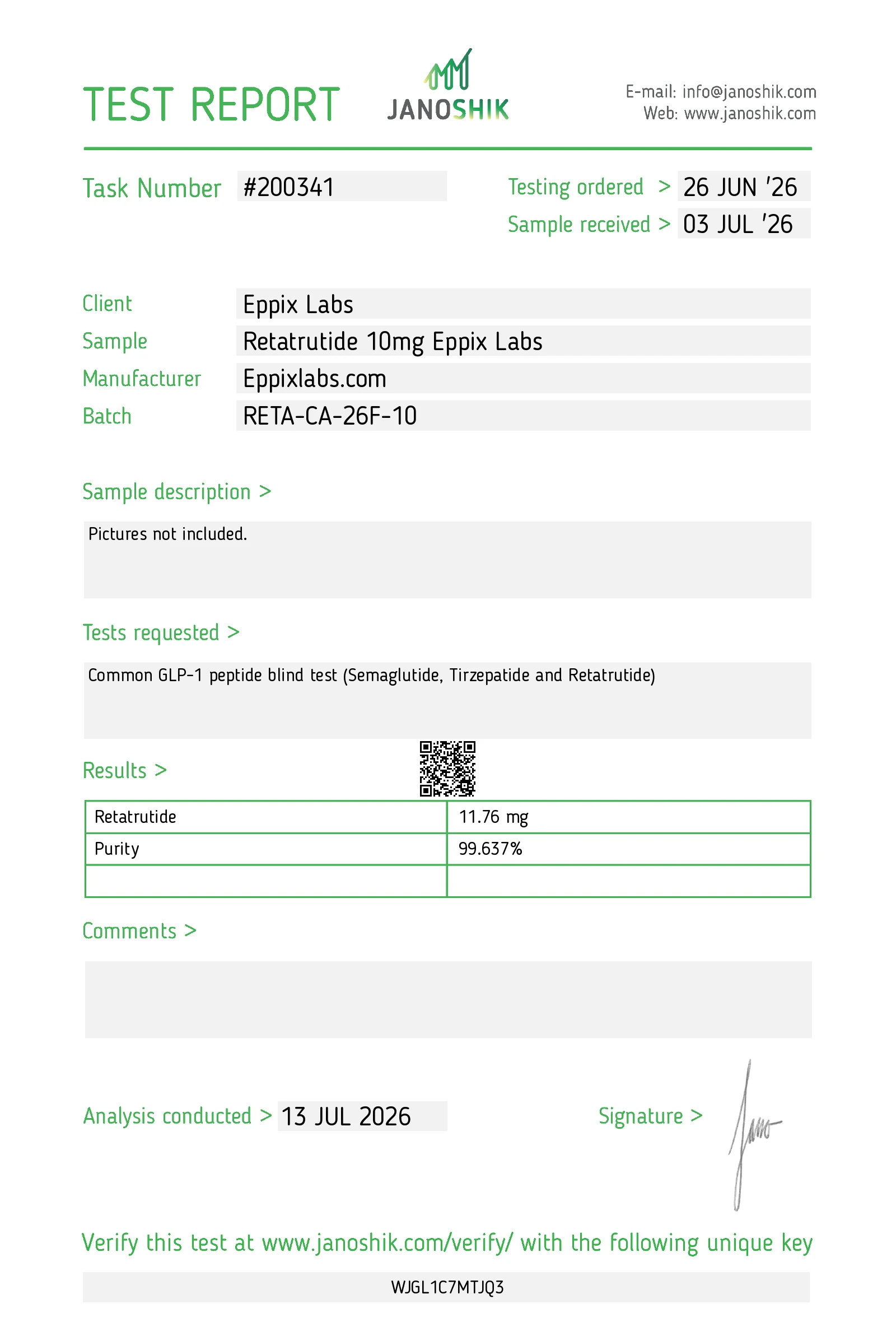
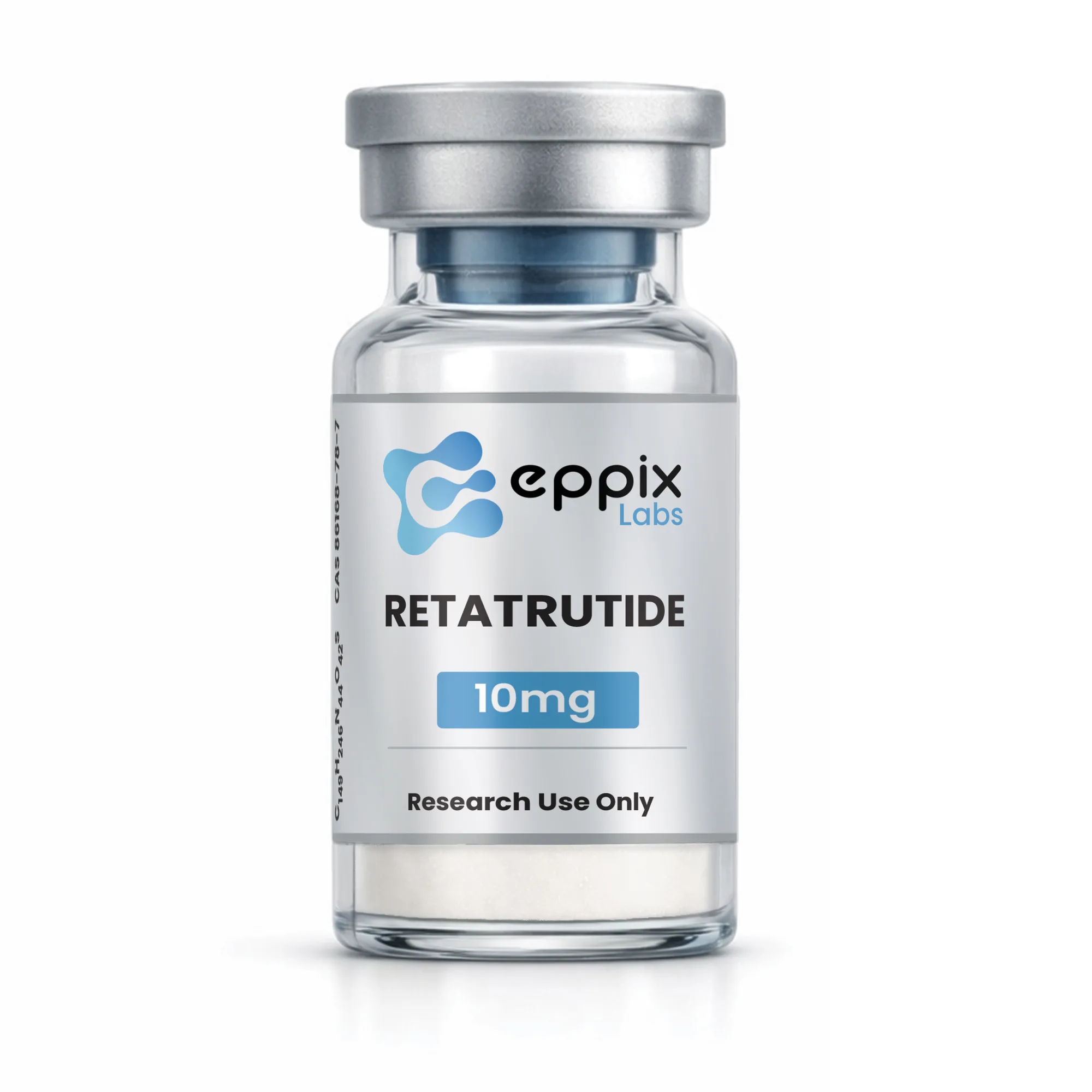
Retatrutide is a triple agonist at the GIP, GLP-1 and glucagon receptors.[3] The GLP-1 and GIP arms are the incretin mechanisms that tirzepatide already combines. The glucagon arm is what makes retatrutide structurally different from everything approved: in the published literature glucagon-receptor agonism is associated with increased energy expenditure, which is a different lever from the appetite and gastric-emptying effects that carry the GLP-1 class.
That is the whole design thesis. Semaglutide asks how far a single well-understood receptor can be pushed. Retatrutide asks whether adding a third, mechanistically distinct receptor changes the ceiling.