One receptor against two
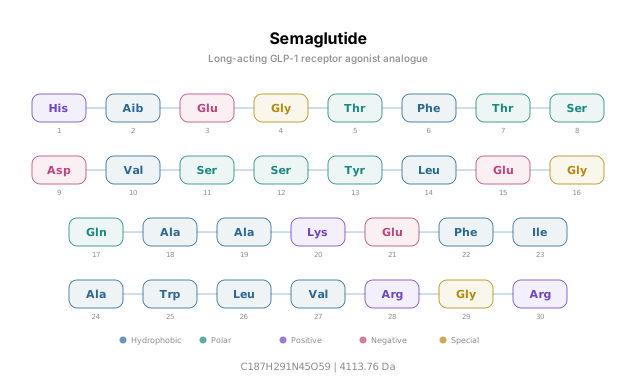
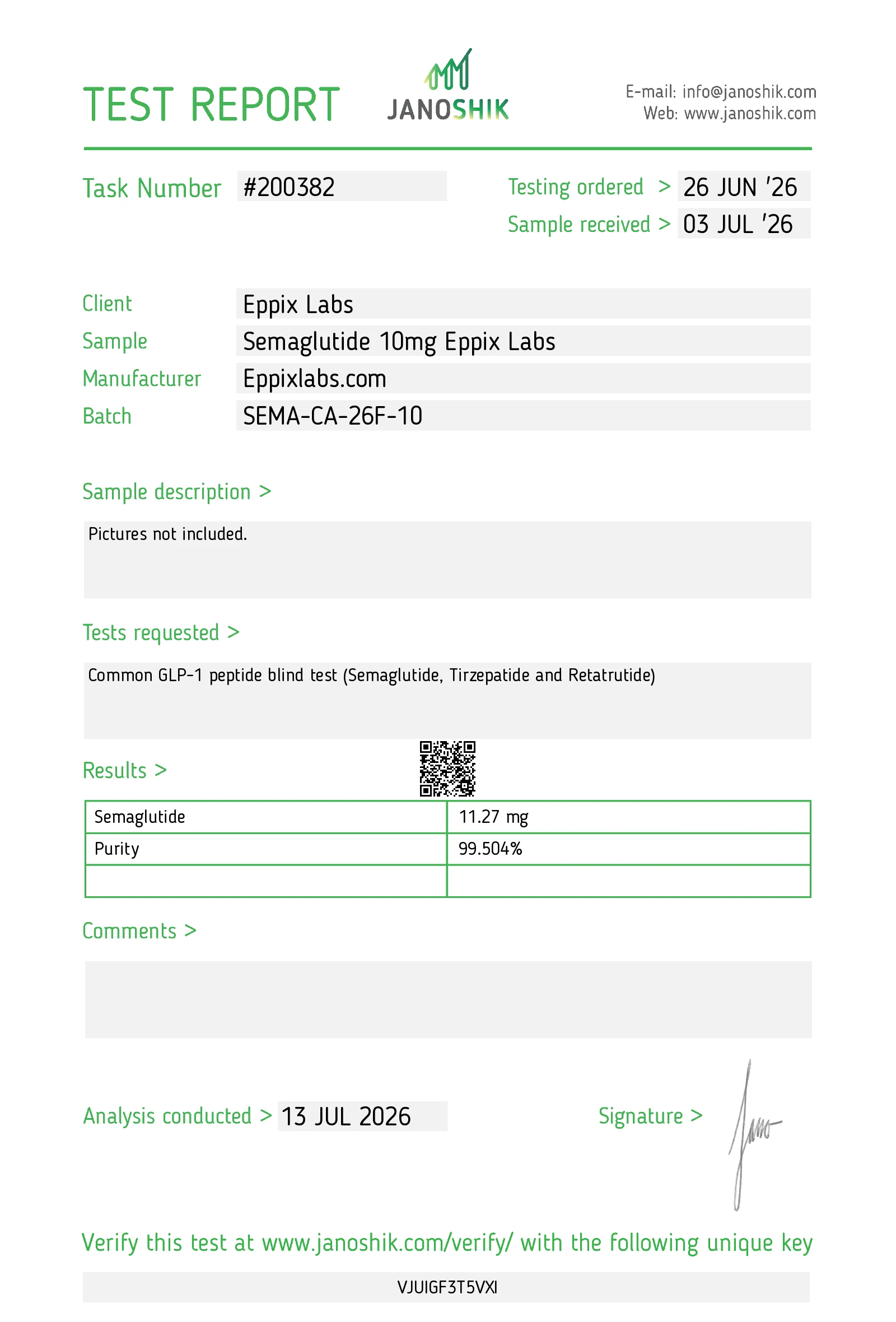
Semaglutide is a 31-residue acylated GLP-1 analogue.[4] Everything it does runs through the GLP-1 receptor: slowed gastric emptying, central appetite effects, glucose-dependent insulin secretion. That single-receptor design is what makes it the cleanest available tool compound for GLP-1 receptor pharmacology.
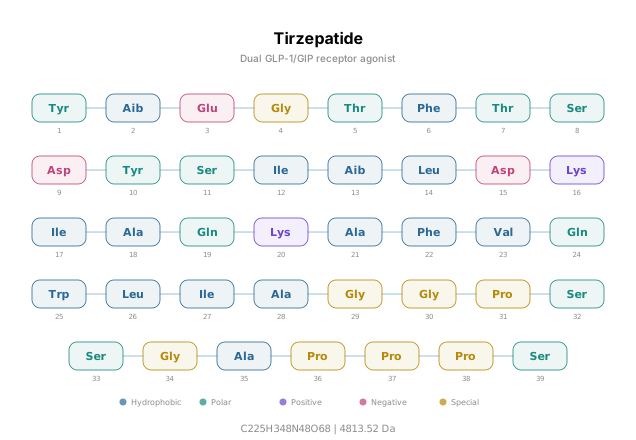
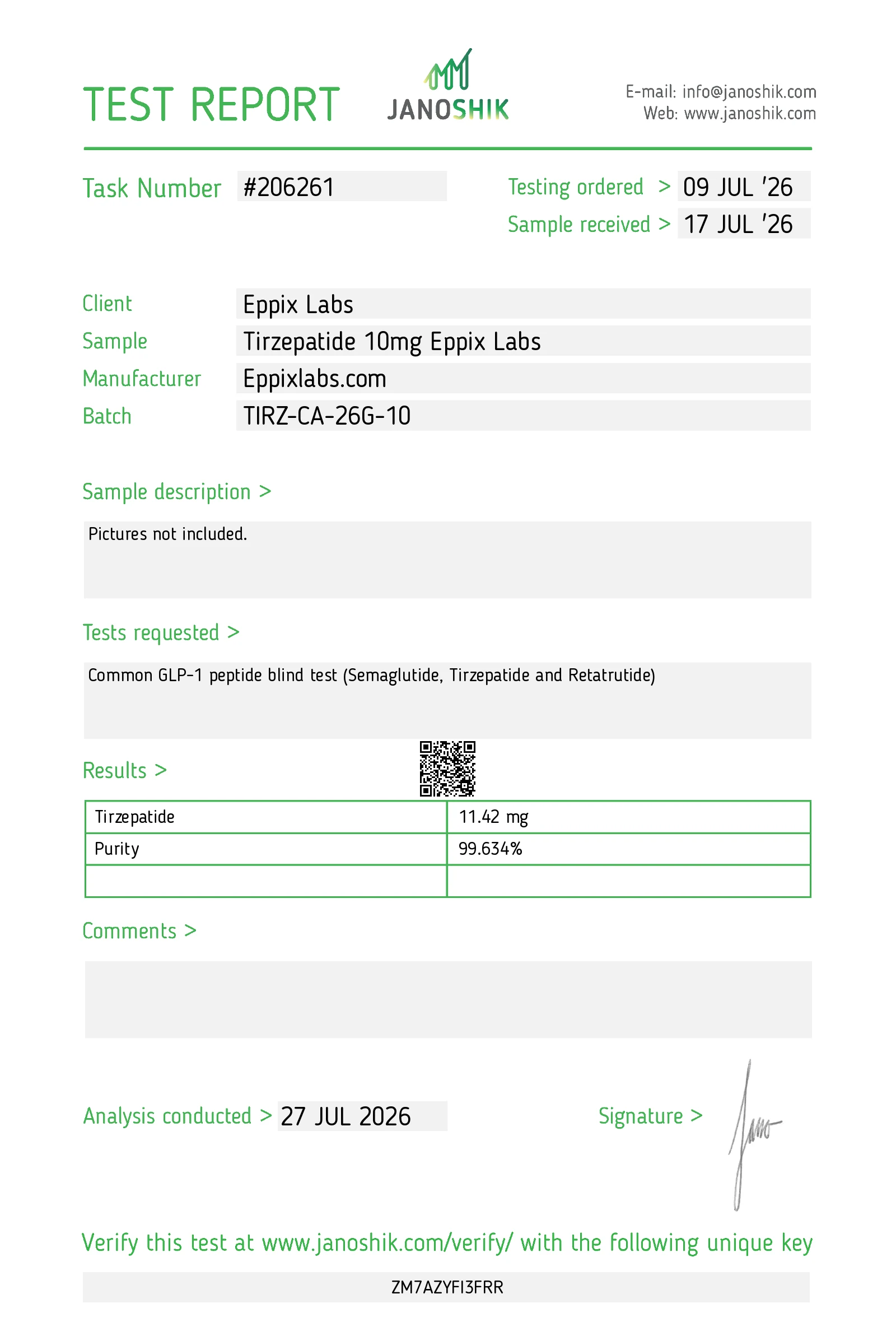
Tirzepatide is a 39-residue lipidated peptide agonising both the GIP and the GLP-1 receptor from one molecule, with potency weighted toward GIP.[3] The GIP arm is the part that was not obvious: GIP-receptor pharmacology in metabolic disease had a contested literature, and the compound's trial results are the strongest argument that adding it does something.
Structurally the two are further apart than the shared "GLP-1" label suggests. Semaglutide is built on the native GLP-1 backbone; tirzepatide is built on a GIP-based backbone engineered for dual activity.