Canada Post Xpresspost1–2 day delivery across CanadaFree on orders over $200

Buyer Guide

How We Ship Research Peptides Across Canada

Shipping is where supplier promises get tested daily. Here is exactly how an order moves: transit by region, what the packaging does and does not say, and why lyophilised material does not need a cold chain

·By Adam Reeves · Research Editor, Eppix Labs

Most of what a supplier says about shipping is a promise. This page is the mechanism: where parcels leave from, how long each lane actually takes, what the box says, and what happens between a lot being tested and a vial arriving.

Everything described here concerns laboratory research materials. Nothing in the catalogue is authorised for human or veterinary use. Policy details are on the shipping page.

The network, by region

All orders dispatch from within Alberta on Canada Post Xpresspost, tracked door to door. Transit depends on the lane rather than on the order, and the differences are real ones: some lanes are a single road leg and some involve an air segment and a hub connection, which is where most Canadian parcel variance originates.

  • ·Edmonton metro: next business day. Dispatch and destination are in the same region, which makes this the shortest lane in the network.
  • ·Calgary and the Highway 2 corridor: normally one business day, as a road leg rather than an air connection, which is why it is one of the most consistent lanes in the country.
  • ·British Columbia, Saskatchewan, Manitoba: one to two business days. The BC lane crosses the Rockies, which is the one weather variable worth watching in winter.
  • ·Ontario, including Toronto and Ottawa: about two business days, using an air segment. This is the lane most exposed to hub connection delays.
  • ·Quebec, including Montreal and Quebec City: about two business days.
  • ·Atlantic Canada: two to three business days.
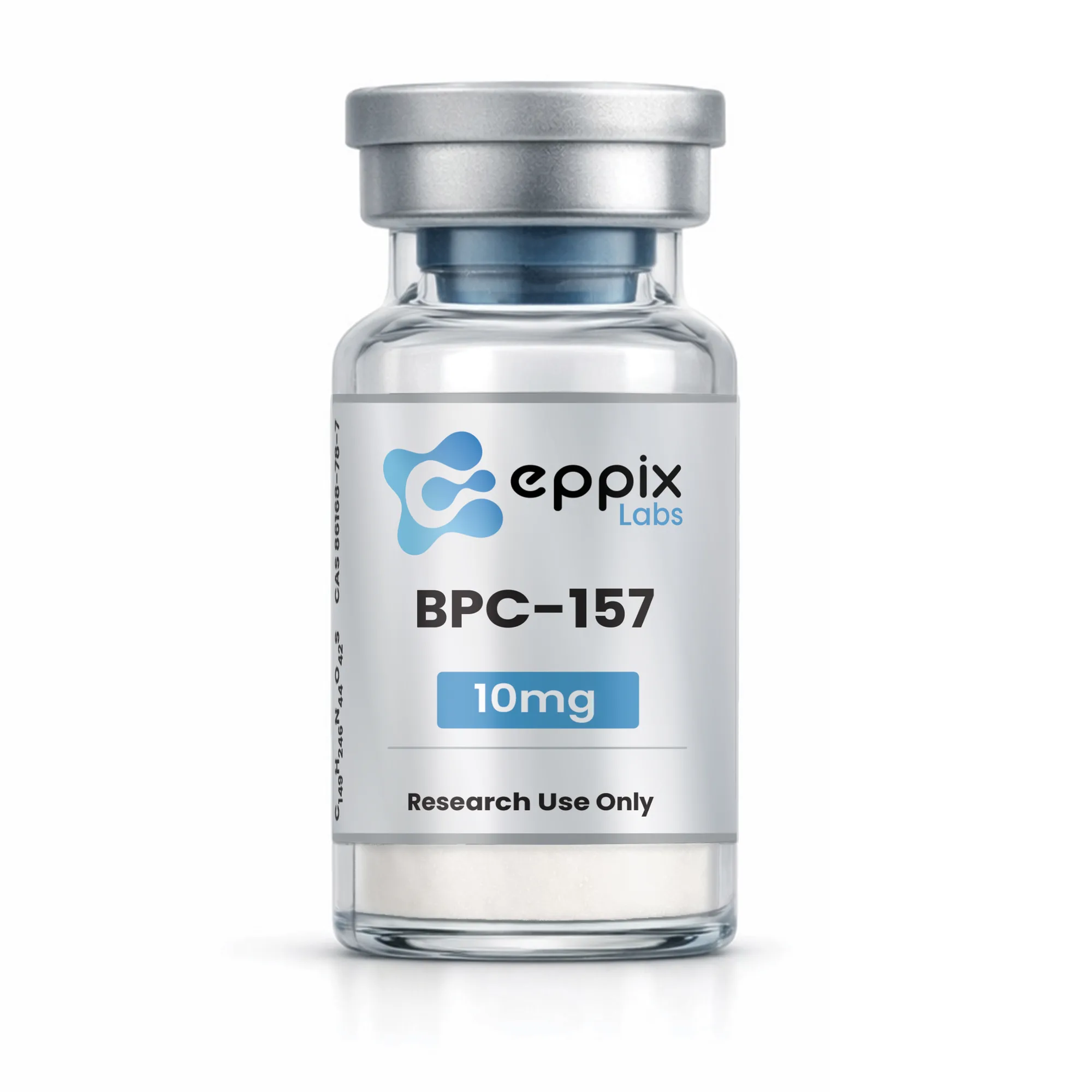
Research Material
General Image
What travels: lyophilised powder in a sealed vial, stable at ambient shipping temperatures.

The dispatch cut-off, and what the time zone does to it

Orders placed and paid before the daily cut-off ship the same business day. Because dispatch is in Mountain time, the cut-off falls at different local clock times depending on where the buyer is, and the effect is not symmetric.

Pacific-time buyers get the cut-off an hour later in local terms, so a Vancouver order placed in the afternoon can still make the same day's outbound. Eastern-time buyers get it earlier, so a Toronto order placed late in the local afternoon usually goes out the following business day. It is worth knowing which side of that you are on before assuming a same-day dispatch.

Packaging, and the cold-chain question

Outer packaging is plain, with no product identifiers, no contents description beyond what the carrier requires, and a neutral sender name. Vials are secured against transit shock, and every vial carries its lot code on the label.

There is deliberately no refrigeration theatre. Lyophilised peptide is comparatively stable dry and ships at ambient temperature; the published handling constraints begin after reconstitution rather than during transit, which is set out in the peptide storage guide. Cold-shipping dry powder across a one- to two-day domestic lane is an appearance measure rather than a preservation measure, and it is worth recognising it as one.

The point where temperature genuinely matters is after delivery: a parcel left in an unheated vestibule or a vehicle for an extended period is a different situation from a parcel in transit.

Why domestic stock is the whole point

Every cross-border order carries the same three exposures: screening delay, outright seizure of a gray-area compound, and no practical recourse when either happens. Domestic fulfilment removes all three by removing the import step, because a parcel that never crosses a border cannot be held at one.

That is the structural reason a "peptides Canada" category exists at all, and it is why domestic timelines are measured in days rather than in weeks. The honest accounting of the alternative is in peptide import risks in Canada.

The fulfilment chain, lot to door

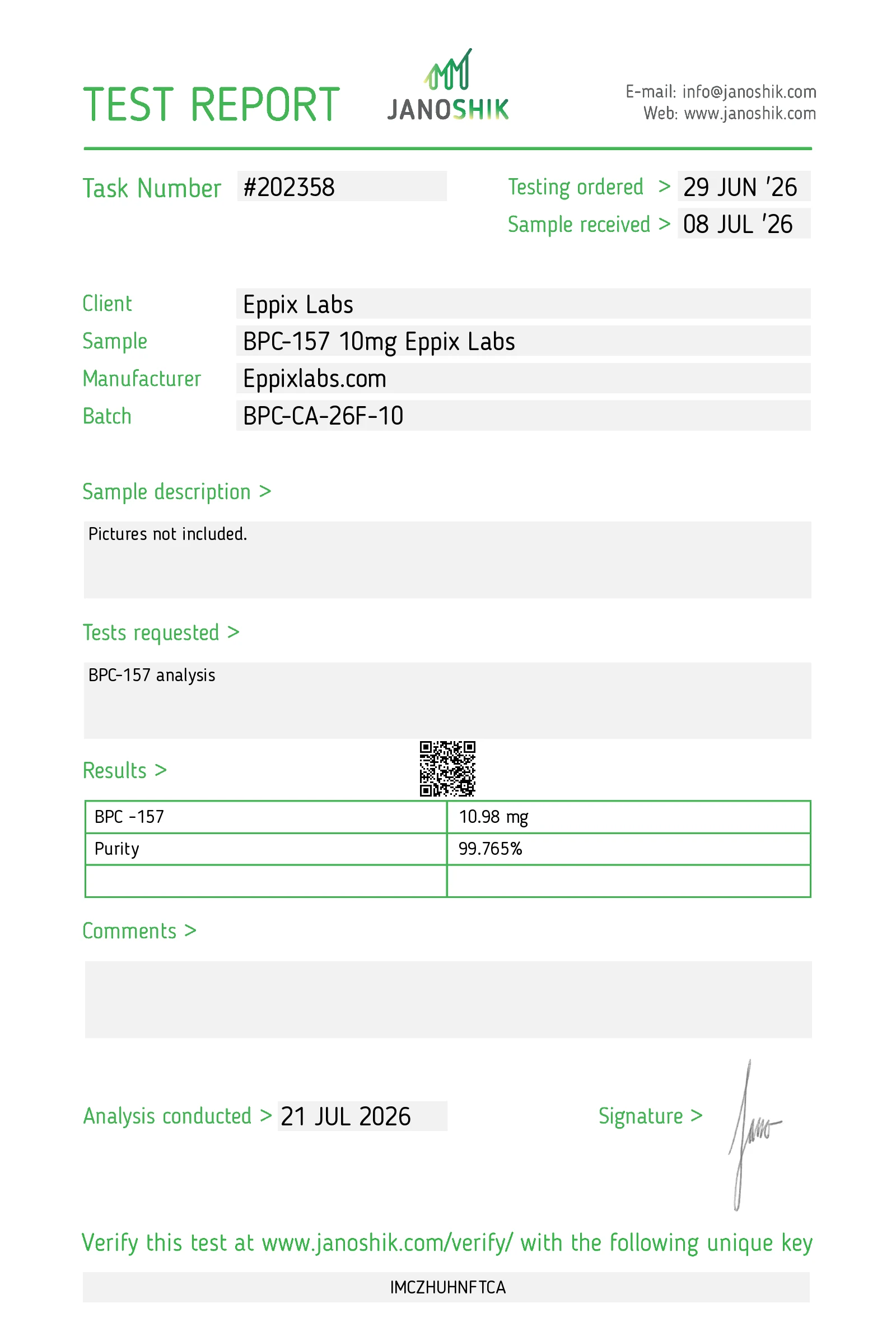
The sequence is: a lot is tested by an independent laboratory, its certificate is published, the lot is listed, an order is picked from that specific lot, and the parcel ships tracked. The vial that arrives carries the lot code of the certificate that was readable before the order was placed.

That last part is the design goal. The documentation is not produced in response to a question after the sale; it exists first, and the sale is made against it. The reasoning is in why we publish every COA.

Published Certificate
Certificate of analysis for Buy BPC-157 Canada | 10mg & 20mg Vials 10mg, batch BPC-CA-26F-10, 99.765% purity, 10.98 mg measured content

Select strength

Batch
BPC-CA-26F-10
Purity (HPLC)
99.765%
Measured content
10.98 mglabelled 10 mg
Laboratory
Janoshik
The certificate the lot ships against, published before the lot goes on sale.

Frequently Asked

Is tracking included on every order?

Yes. Canada Post tracking from dispatch on every order, with no minimum.

Is the packaging genuinely unmarked?

Plain outer packaging, a neutral sender name, and no contents description beyond what the carrier requires. The lot code is on the vial inside, not on the box.

What happens if a parcel is delayed or damaged?

Tracked shipments make a claim straightforward. Contact support with the order number; vials damaged in transit are replaced against their lot record.

Do you ship to PO boxes and rural routes?

Yes, anywhere Canada Post delivers. Rural routes run to Canada Post's rural schedule rather than the urban Xpresspost standard, so tracking is the reliable guide rather than the posted estimate.

Why is there no cold pack?

Because lyophilised powder does not need one across a domestic transit window. The handling constraints that matter begin after reconstitution, and each product page sets out the profile for that compound.

References

  1. Health Canada (2026). Drug and health product compliance and enforcement: unauthorised health products and their sale in Canada. Government of Canada. Source
  2. Canada Border Services Agency (2026). Importing goods into Canada: examination, prohibited and controlled goods. Government of Canada. Source

Research Use Only

This article summarizes published preclinical research literature. Compounds referenced are supplied by Eppix Labs strictly as research materials for laboratory investigation within Canada. They are not approved by Health Canada for human or veterinary use, and nothing on this page should be interpreted as medical advice or guidance on human or animal administration.