Hormonal Signaling
Hormonal Signaling Research Peptides
Hormonal signaling covers compounds studied for their action on receptor systems that regulate endocrine output rather than on a tissue directly. The grouping is mechanistic, not therapeutic: what these compounds share is a receptor family, not an outcome.
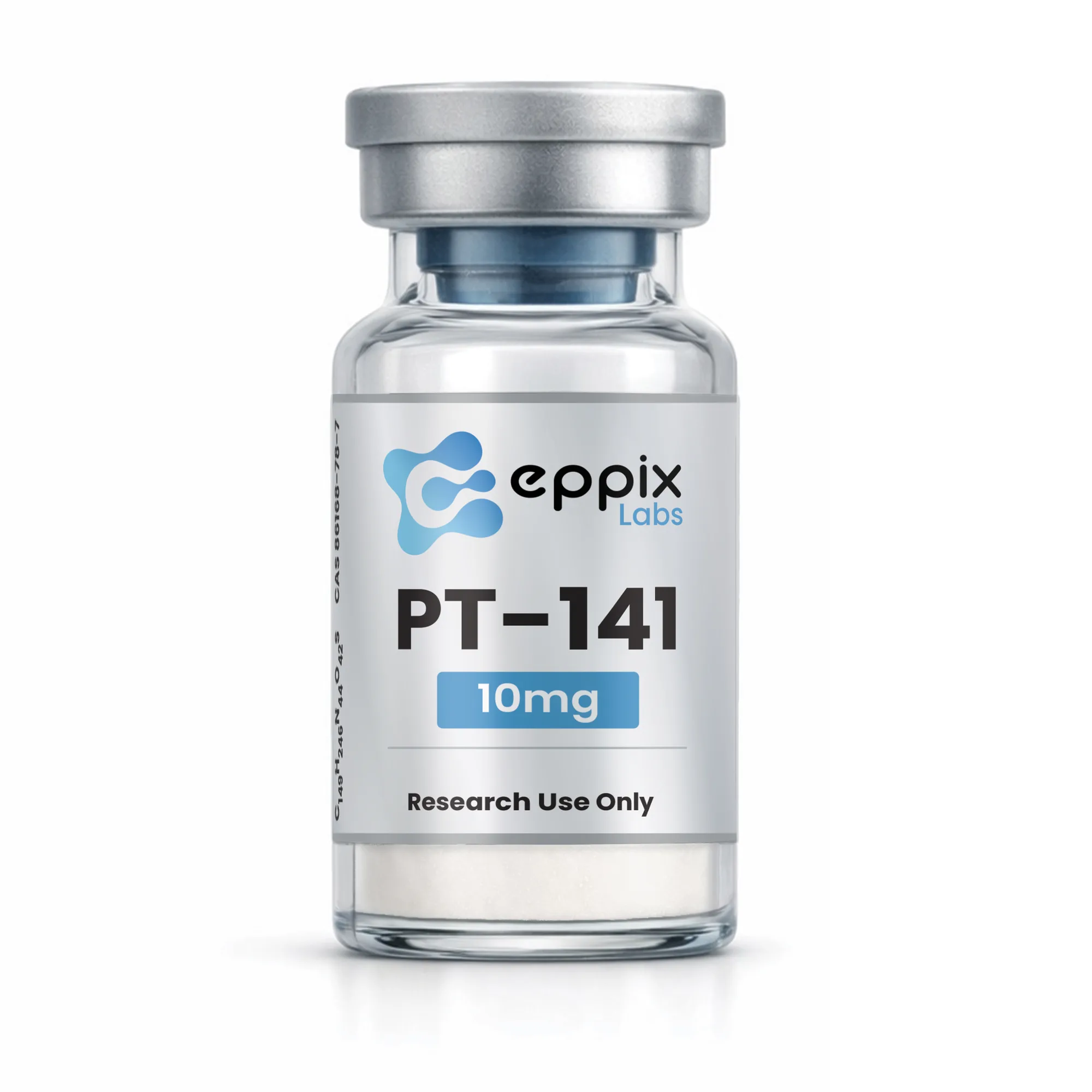
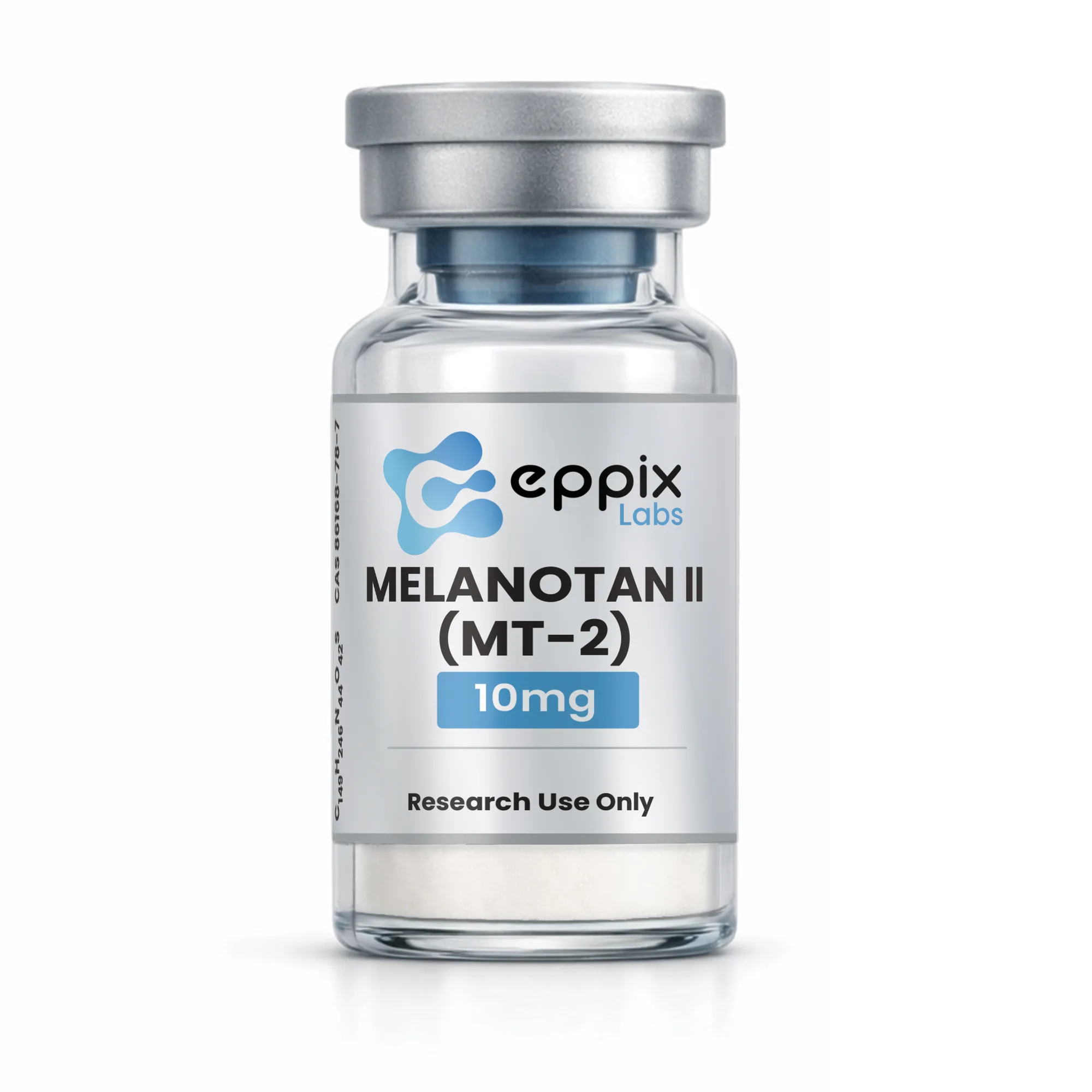
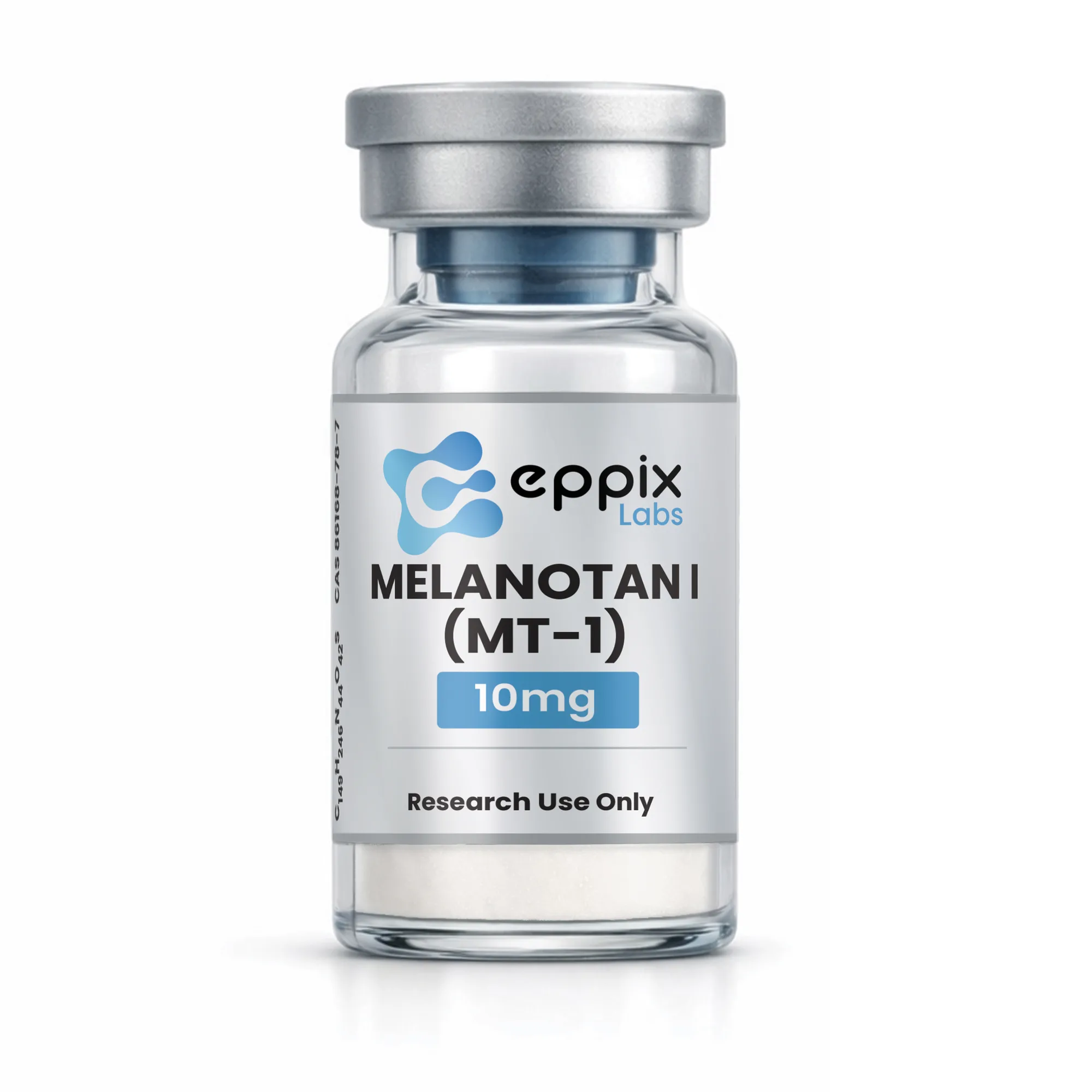
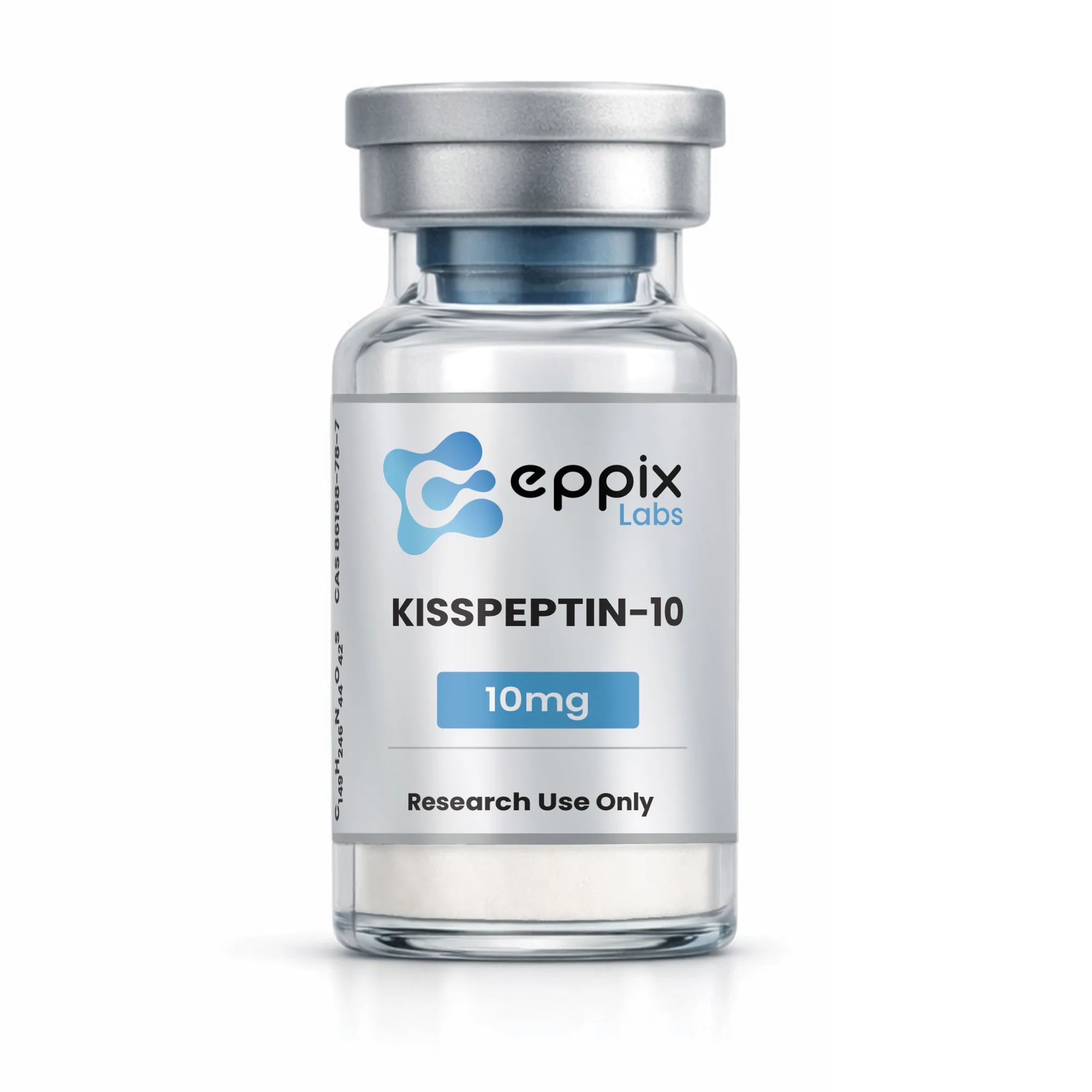
Most of the category is melanocortin. PT-141 (bremelanotide) and the melanotan compounds are analogues acting at melanocortin receptors, a family involved in pigmentation, energy balance and reproductive signalling depending on which receptor subtype is engaged — which is why the published work on them spans areas that look unrelated at first glance. Kisspeptin-10 sits apart from the melanocortins: it acts upstream of the reproductive axis, on the signalling that governs gonadotropin release.
The published record here is preclinical for most of the category, and each product page sets out what its own citations actually establish, including where a compound is discussed far more widely than it has been studied. Every lot is independently assayed with the certificate published in full against the batch code printed on the vial. Supplied strictly for laboratory research use.
In this category: PT-141 · Melanotan II · Melanotan I · Kisspeptin-10
What to check before buying hormonal signaling compounds
Purity is half the number. A purity figure tells you what fraction of the powder in the vial is the compound on the label — it tells you nothing about how much powder is in the vial. A lot can assay at 99.8% purity and still be short against its labelled content.
Both numbers are published for every batch here: purity from HPLC, and measured mass against expected content. Match the batch code printed on the vial to the certificate before you rely on either.
Hormonal Signaling research peptides — common questions
- What is the difference between PT-141 and the melanotans?
- They act at different members of the same receptor family. PT-141, also called bremelanotide, is characterised as a melanocortin receptor agonist with selectivity toward MC3R and MC4R. Melanotan I and II are studied primarily in relation to MC1R and pigmentation pathways. All three descend from the same alpha-MSH research, which is why they share a category.
- Is Melanotan I the same as Melanotan II?
- No. Melanotan I, also known as afamelanotide, is a linear analogue; Melanotan II is a cyclic analogue with a broader receptor profile in the published literature. They are separate compounds with separate lots and separate certificates, and the research on one does not transfer to the other.
- What is Kisspeptin-10 studied for?
- Its role in the hypothalamic-pituitary-gonadal axis. Kisspeptin signalling at the KISS1 receptor is described in the literature as an upstream regulator of gonadotropin-releasing hormone, which is why the compound appears in endocrine signalling research rather than in the metabolic or repair categories.
- What is published for each lot in this category?
- The lot code, HPLC purity, measured content against the labelled amount, the issuing laboratory and the test date — the same set published for every other category. Certificates are linked per lot rather than per product, so an older vial resolves to the report that was actually run on it.