Canada Post Xpress1–2 day delivery across CanadaFree on orders over $200

Regulatory

Are Peptides Legal in Canada? A Plain-Language Overview

Two statutes, one boundary, and why "research use only" is a legal description rather than a disclaimer

·Compiled by Eppix Labs

This is the most asked question in Canadian peptide research communities, and most answers online are wrong in one of two directions: either everything is illegal and you are taking a risk by clicking, or nothing is regulated and the disclaimers are theatre. Neither is accurate.

What follows is general information, not legal advice. Regulations change, individual situations differ, and nothing here is a substitute for advice on your own circumstances.

The short version

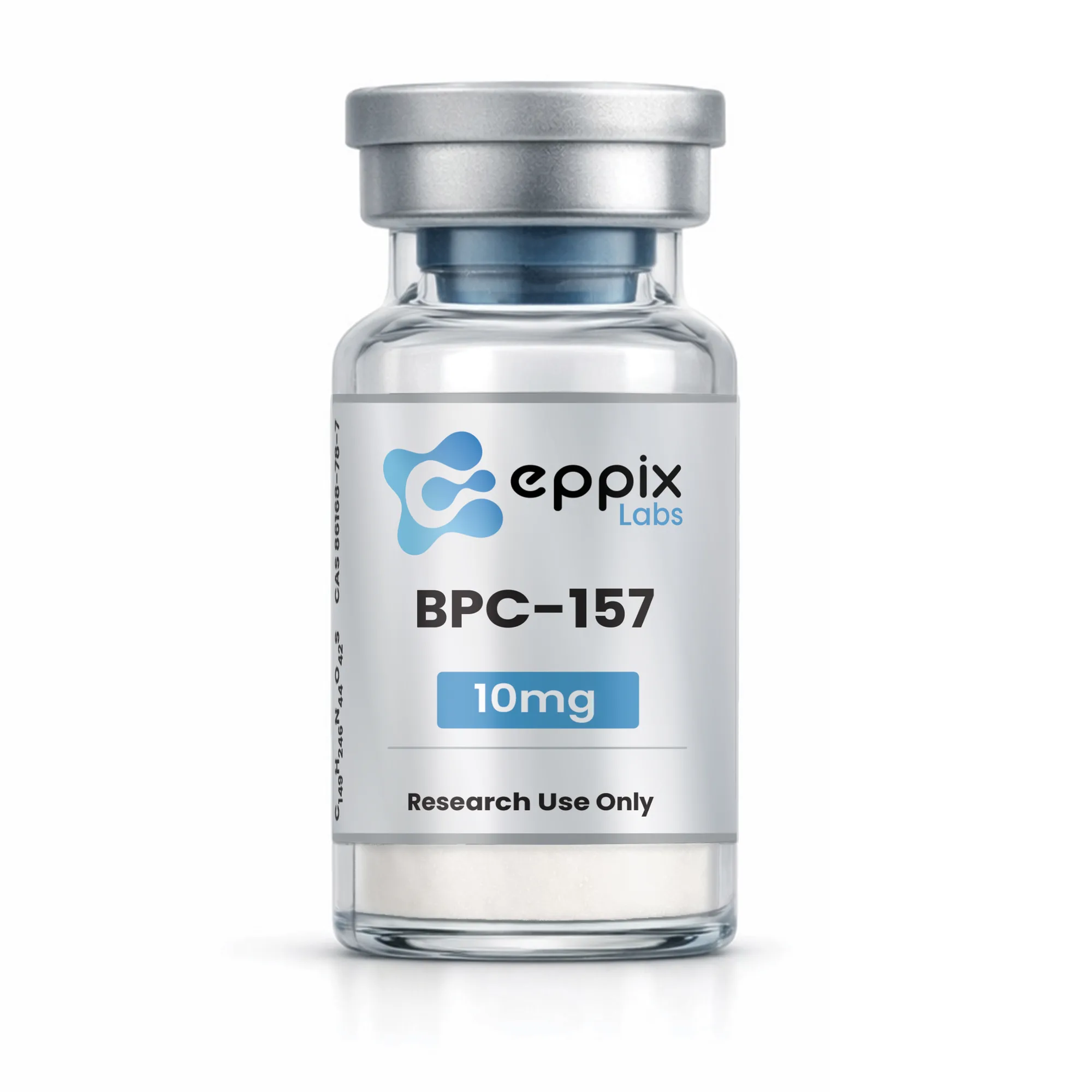
Most research peptides, BPC-157, TB-500, GHK-Cu and similar compounds, are not scheduled controlled substances in Canada. Holding them and selling them for laboratory research purposes is generally lawful. What is not lawful is selling them as drugs, supplements, or anything intended for human consumption without Health Canada authorization.

That is the structure of the entire market in two sentences: lawful as research chemicals, unlawful as unapproved medicines. The line does not run through the molecule. It runs through what the molecule is sold for.
The two statutes, and which one applies

Two separate regimes are usually confused with each other.

The Food and Drugs Act governs anything sold for use in humans. A substance marketed with health claims, dosing directions, or any implication of human use is a "drug" in the regulatory sense, and selling an unapproved drug is an offence regardless of what the molecule is. This is the statute that actually governs the research-peptide market.

The Controlled Drugs and Substances Act is a separate regime covering scheduled substances. Most research peptides are not scheduled under it. Some compound classes sold alongside peptides have different statuses, so each compound is worth checking individually rather than by category.

The practical consequence: legality turns on marketing and intended use, not on chemistry. "Research use only" is not a magic phrase that neutralizes a sale. It is a description of the side of the line the sale sits on.

What this means for buyers

  • ·Buying research peptides from a Canadian supplier for laboratory research is an ordinary transaction. No prescription exists or applies, because these are not approved medicines.
  • ·Nothing sold as a research chemical is quality-assured for human use, manufactured under GMP, or dosed for any human protocol. The legal line and the safety line are the same line.
  • ·A few peptide molecules also exist separately as approved pharmaceuticals. Branded semaglutide and tirzepatide products are the obvious examples. Those authorizations attach to those products through the pharmacy channel and do not extend to research-market vials of the same molecule.
  • ·Athletes should note that many research peptides, growth hormone secretagogues among them, appear on the World Anti-Doping Agency and Canadian Centre for Ethics in Sport prohibited lists. That is a separate system from criminal law with its own consequences in tested sport.

The July 2026 FDA vote, and why it changes nothing here

On 23 and 24 July 2026 the US FDA's Pharmacy Compounding Advisory Committee voted to recommend six peptides, BPC-157, KPV, TB-500, MOTS-c, Epitalon and Semax, for inclusion on the Section 503A Bulk Drug Substances List, against the recommendation of FDA staff.[1][2] That vote was widely reported, often as though it had changed the legal landscape.

It did not, and for Canadian buyers it is doubly irrelevant. The vote is non-binding, no final FDA determination has been issued, and none of the six peptides appears in 21 CFR 216.23.[3] More fundamentally, a US compounding-list decision concerns licensed American pharmacists preparing patient-specific prescriptions. It is a different country, a different statute and a different channel. Health Canada has issued no authorization for any of the six.

Why domestic sourcing matters legally

Importing research compounds across the border adds a customs layer that domestic purchase does not have. Shipments can be inspected, held, or refused entry, and the importer carries that risk rather than the overseas seller.

Buying from Canadian stock shipped domestically removes the import question entirely. That is the practical reason "peptides Canada" exists as a supplier category at all, and it is a more substantial reason than delivery speed.

How a compliant supplier behaves

A supplier's legal posture is readable directly off its website: research-use framing throughout, no dosing instructions, no human-outcome claims, no before-and-after imagery, published third-party certificates, and clear terms of sale.

This is worth caring about for a self-interested reason as well as a principled one. Enforcement action against a supplier that markets to human use takes that supplier's entire catalogue offline, and its customers' supply with it. The full due-diligence list is at how to choose a peptide supplier in Canada.

Frequently Asked

Is BPC-157 legal in Canada?

It is not a scheduled substance and may be sold and held for laboratory research. It is not authorized by Health Canada for human or veterinary use. This is not legal advice.

Can I get in trouble for buying research peptides?

Purchasing for research purposes from a domestic supplier is generally lawful. Reselling for human consumption, or importing restricted items, are different situations with different exposure. This is general information, not legal advice.

Are peptides prescription drugs in Canada?

A few peptide molecules exist separately as approved pharmaceuticals, branded semaglutide and tirzepatide products among them. Those regulated products are a different supply chain from research-market vials, and their authorizations do not extend to research material.

Why does every supplier say "research use only"?

Because it reflects the actual legal boundary. Under the Food and Drugs Act, unapproved substances may not be sold for human consumption. The phrase describes which side of that boundary a sale is on.

Did the July 2026 FDA vote legalize anything in Canada?

No. It was a non-binding recommendation by a US advisory committee about US pharmacy compounding, no final FDA determination has followed, and it has no effect on Canadian law or on Health Canada authorizations.

Do peptides get stopped at the border?

Imported shipments can be inspected, held or refused entry, and the importer carries that risk. Buying from Canadian domestic stock removes the import question.

References

  1. US Food and Drug Administration (2026). Pharmacy Compounding Advisory Committee meeting, 23-24 July 2026: bulk drug substances nominated for inclusion on the Section 503A Bulks List. FDA Advisory Committee Calendar. Source
  2. US Food and Drug Administration (2026). FDA briefing document, Pharmacy Compounding Advisory Committee: BPC-157, KPV, TB-500, MOTS-c, Emideltide, Semax and Epitalon. Agency review recommended against inclusion for each substance. FDA. Source
  3. Office of the Federal Register (2026). 21 CFR 216.23: bulk drug substances that can be used to compound drug products under section 503A. None of the six peptides appear on the list as of publication. eCFR. Source

Research Use Only

This article summarizes published preclinical research literature. Compounds referenced are supplied by Eppix Labs strictly as research materials for laboratory investigation within Canada. They are not approved by Health Canada for human or veterinary use, and nothing on this page should be interpreted as medical advice or guidance on human or animal administration.