Research Use OnlyAll materials supplied for laboratory research within Canada
Form
Pre-mixed solution
Storage
Refrigerated, 2–8 °C
Low on StockResearch Peptide
VIP Spray
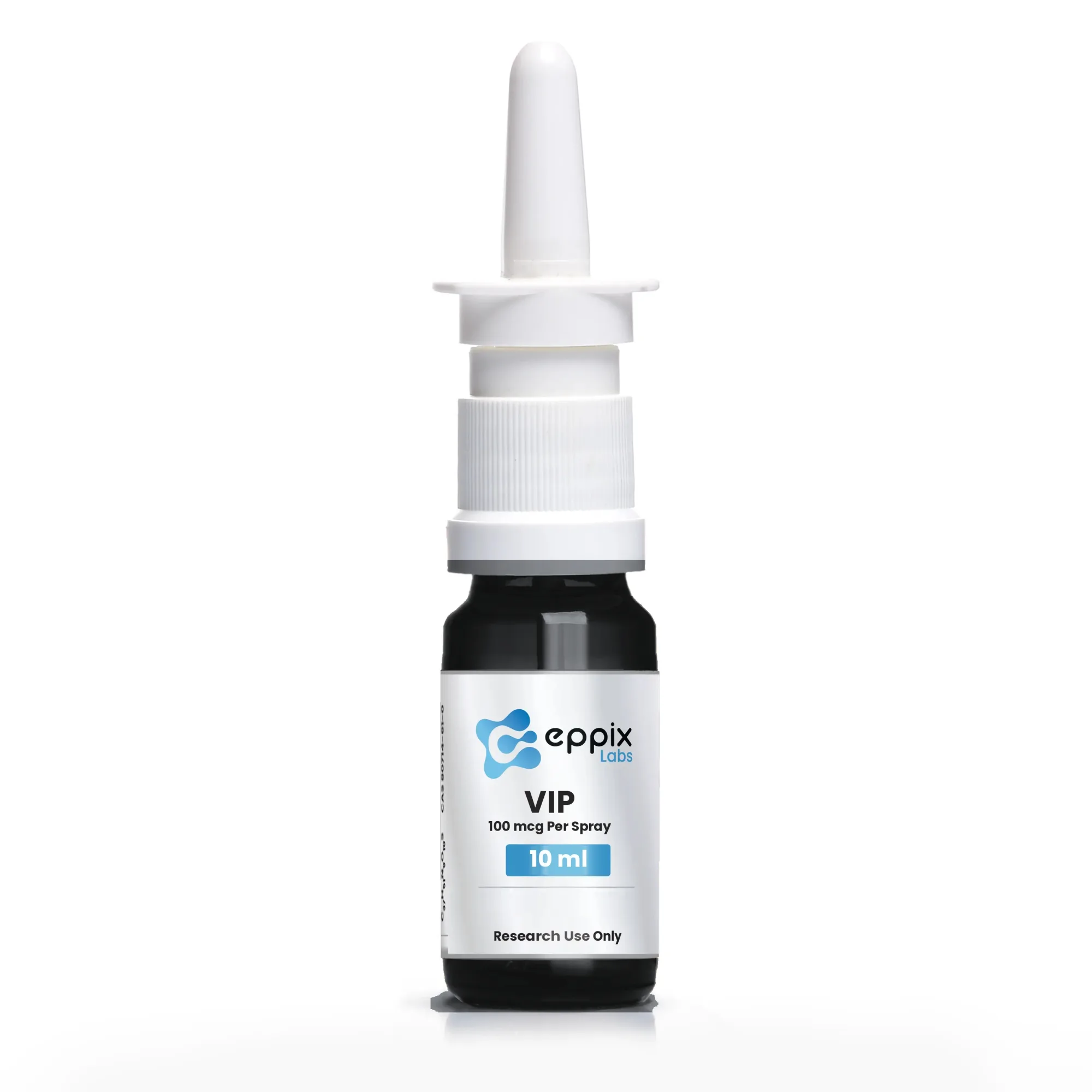
VIP Spray Canada — Nasal Spray
Vasoactive Intestinal Peptide
Also known as VIP; vasoactive intestinal polypeptide
VIP (vasoactive intestinal peptide) is a 28-amino-acid neuropeptide belonging to the secretin/glucagon peptide family. It occurs endogenously in neurons of the central and peripheral nervous systems and in nerve fibres innervating gastrointestinal and other visceral tissues. Material supplied under the name "VIP Spray" is produced for laboratory research only.
$114.95CAD
Purity VerifiedLab TestedSecure
Research Use Only
This product is intended strictly for laboratory research use within Canada. It is not approved by Health Canada for the diagnosis, treatment, cure, or prevention of any disease. Not for human or veterinary use.
By purchasing, you confirm the material will be used solely for lawful research purposes in accordance with applicable Canadian regulations.
VIP (vasoactive intestinal peptide) is a 28-amino-acid neuropeptide belonging to the secretin/glucagon peptide family. It occurs endogenously in neurons of the central and peripheral nervous systems and in nerve fibres innervating gastrointestinal and other visceral tissues. Material supplied under the name "VIP Spray" is produced for laboratory research only.
In scientific literature, VIP has been examined as a neurotransmitter and intercellular signalling molecule, as a trophic factor in developing and cultured nervous tissue, and as a modulator of immune and endocrine signalling in preclinical models. Note that the abbreviation "VIP" is also used in agricultural microbiology for an unrelated class of bacterial insecticidal proteins, and that literature does not concern this compound.
Purity
Third-party tested for purity, ID, quantity.
Coming Soon
The certificate of analysis for this lot is being finalised and will be published here as soon as the lab returns it.
Compound Properties
Overview
VIP acts through G protein-coupled receptors of the VPAC family, with early pharmacological work characterising a VIP receptor linked to adenylate cyclase activation and cyclic AMP accumulation. Receptor-level studies described binding properties and signal transduction in several tissue preparations, and subsequent work positioned VIP as a mediator of intercellular communication in the cerebral cortex, where its release has been associated with glycogenolysis and local metabolic coupling in neural tissue.
Research endpoints evaluated in the published record include trophic and growth-related effects in embryonic and central nervous system models and in cancer cell lines, modulation of hippocampal synaptic plasticity and the behaviour of VIP-expressing interneurons in cortical circuits, circadian clock function in mouse models with reduced VIP expression, regulation of luteinizing hormone secretion in the female rat, immune and chemokine-related signalling in allergic disease models, and peptidergic innervation of visceral structures such as the gallbladder. These are mechanistic and model-system endpoints rather than outcome studies.
History
VIP was isolated from intestinal tissue in the early 1970s and was initially characterised for its vasoactive and secretory properties, which gave the peptide its name. Immunohistochemical work later in that decade mapped VIP-containing nerve fibres in visceral tissues, including the innervation of the gallbladder, which shifted interest toward its role as a neuropeptide rather than a circulating gut hormone.
Through the 1980s and 1990s the research record expanded into molecular biology and neurobiology, including receptor characterisation, descriptions of VIP-mediated intercellular communication in the cerebral cortex, trophic activity in embryonic and nervous system models, and neuroendocrine roles such as the regulation of luteinizing hormone secretion in rodents. More recent work has used genetically modified mice and circuit-level electrophysiology to study VIP expression in circadian timekeeping and the plasticity of VIP-expressing interneurons in cortex, alongside investigations of VIP signalling in allergic and immune models. The origin and formulation of the specific "spray" presentation are not documented in the published literature.
Key Research Areas
Laboratory investigations into VIP span receptor pharmacology, neural circuit physiology, neuroendocrine regulation, and immune signalling. Research frameworks have evaluated VPAC receptor binding and cyclic AMP-linked signal transduction, trophic activity in embryonic and central nervous system preparations and in cancer cell lines, hippocampal synaptic plasticity and the short-term and spike-timing-dependent plasticity of VIP-expressing cortical interneurons, circadian clock function in mouse models with altered VIP expression, gonadotropin regulation in the rat, and chemokine-related activity in allergic disease models.
3 of the 5 areas below are addressed directly by a paper cited on this page.
VIP receptor binding and cyclic AMP signalling
Addressed on this page by Luis 1988, Cunha-Reis 2020. Each is linked to its source record in the references below, so what was measured — and in what system — can be read rather than taken on trust.
Luis, J. et al. (1988) — The vasoactive intestinal peptide (VIP) receptor: recent data and hypothesis
Cunha-Reis, D. et al. (2020) — VIP Modulation of Hippocampal Synaptic Plasticity: A Role for VIP Receptors as Therapeutic Targets in Cognitive Decline and Mesial Temporal Lobe Epilepsy
Hippocampal and cortical synaptic plasticity models
Addressed on this page by Cunha-Reis 2020. Each is linked to its source record in the references below, so what was measured — and in what system — can be read rather than taken on trust.
Cunha-Reis, D. et al. (2020) — VIP Modulation of Hippocampal Synaptic Plasticity: A Role for VIP Receptors as Therapeutic Targets in Cognitive Decline and Mesial Temporal Lobe Epilepsy
VIP-expressing interneuron circuit studies
No paper cited on this page reports on expressing, interneuron or circuit. This heading marks where VIP Spray is discussed in the category rather than a question the cited literature answers, and it is worth knowing which of these areas has work behind it and which does not.
Circadian clock function in rodent models
Addressed on this page by Joye 2020, Gozes 1989. Each is linked to its source record in the references below, so what was measured — and in what system — can be read rather than taken on trust.
Joye, DAM. et al. (2020) — Reduced VIP Expression Affects Circadian Clock Function in VIP-IRES-CRE Mice (JAX 010908)
No paper cited on this page reports on neuroendocrine or allergic. This heading marks where VIP Spray is discussed in the category rather than a question the cited literature answers, and it is worth knowing which of these areas has work behind it and which does not.
The references section of this page cites 6 primary papers published between 1986 and 2020 — a limited but non-trivial record. Every citation is linked to its PubMed or DOI record so it can be read rather than taken on trust, and the summaries above describe what those papers report rather than what the compound is claimed to do.
VIP Spray is frequently listed as a peptide by suppliers in this market. It is not one. The structure published on this page is the compound's actual chemistry, and research on it should be read against its own class rather than against peptide literature.
Research compounds attract claims that outrun their evidence. Below are the ones most often encountered for VIP Spray, set against what the papers cited on this page actually report. Where the record is thin or contested, that is stated rather than smoothed over.
Preclinical only
VIP Spray is commonly described online in connection with weight loss, appetite suppression and fat reduction. In the research literature the same compound is filed under VIP receptor binding and cyclic AMP signalling, hippocampal and cortical synaptic plasticity models and VIP-expressing interneuron circuit studies.
The 6 papers cited on this page, published between 1986 and 2020 (1 in animal models) describe laboratory and animal work. None reports a controlled trial in humans. Findings in cell culture or in a rodent model describe what happened in that system; they do not establish that the same occurs in humans, and this compound is not approved for human use.
Nothing above is a statement of what this material does. It is a summary of what has been published and what has not. Eppix Labs supplies research materials only and provides no dosing, administration or protocol guidance.
Every lot of VIP Spray is independently assayed before it is released, and the certificate for the lot shipped is published rather than summarised. Where a certificate for a current lot is not yet posted, the lot has not yet been released against it.
Researchers who buy VIP Spray in Canada through Eppix Labs receive a batch-labelled vial whose certificate is published against that lot code, so the material can be matched to its analysis rather than to a generic specification.
VIP Spray ships as a prepared solution rather than as lyophilized powder, so it is already past the point at which a powder would be reconstituted. That shortens handling but tightens storage: a compound in solution is less stable than the same compound dry, and refrigeration from arrival onward is the relevant control.
The stability window for a solution is shorter than the shelf life of a sealed lyophilized vial of the same compound. Records for laboratory work in this format should note the date the unit was opened, not only the date it was received.
Vials may appear empty on arrival. Lyophilized material collects at the base of the vial and is often not visible until the vial is inspected under direct light.
1 × sealed spray unit (10mL - 100 mcg per spray / Single Vial), batch-labelled
Batch documentation for the lot shipped, once its certificate is published
Discreet outer packaging with no product names on the exterior
Canada Post Xpresspost, tracked, typically 1–2 business days from Canadian stock
Not included
Laboratory consumables of any kind
Dosing, administration or protocol guidance of any kind
No. Eppix Labs products are supplied exclusively for laboratory research. We do not provide dosing, administration, or usage guidance.
Each unit contains the labeled quantity of VIP. Independent third-party analysis verifies purity, identity, and net content per batch.
The unit contains only the compound as supplied. Any laboratory materials required for handling, preparation, or experimental procedures must be sourced separately.
Duration depends entirely on research design, storage conditions, and laboratory protocol.
Gozes, I. et al.(1989)
VIP: molecular biology and neurobiological function
VIP Modulation of Hippocampal Synaptic Plasticity: A Role for VIP Receptors as Therapeutic Targets in Cognitive Decline and Mesial Temporal Lobe Epilepsy
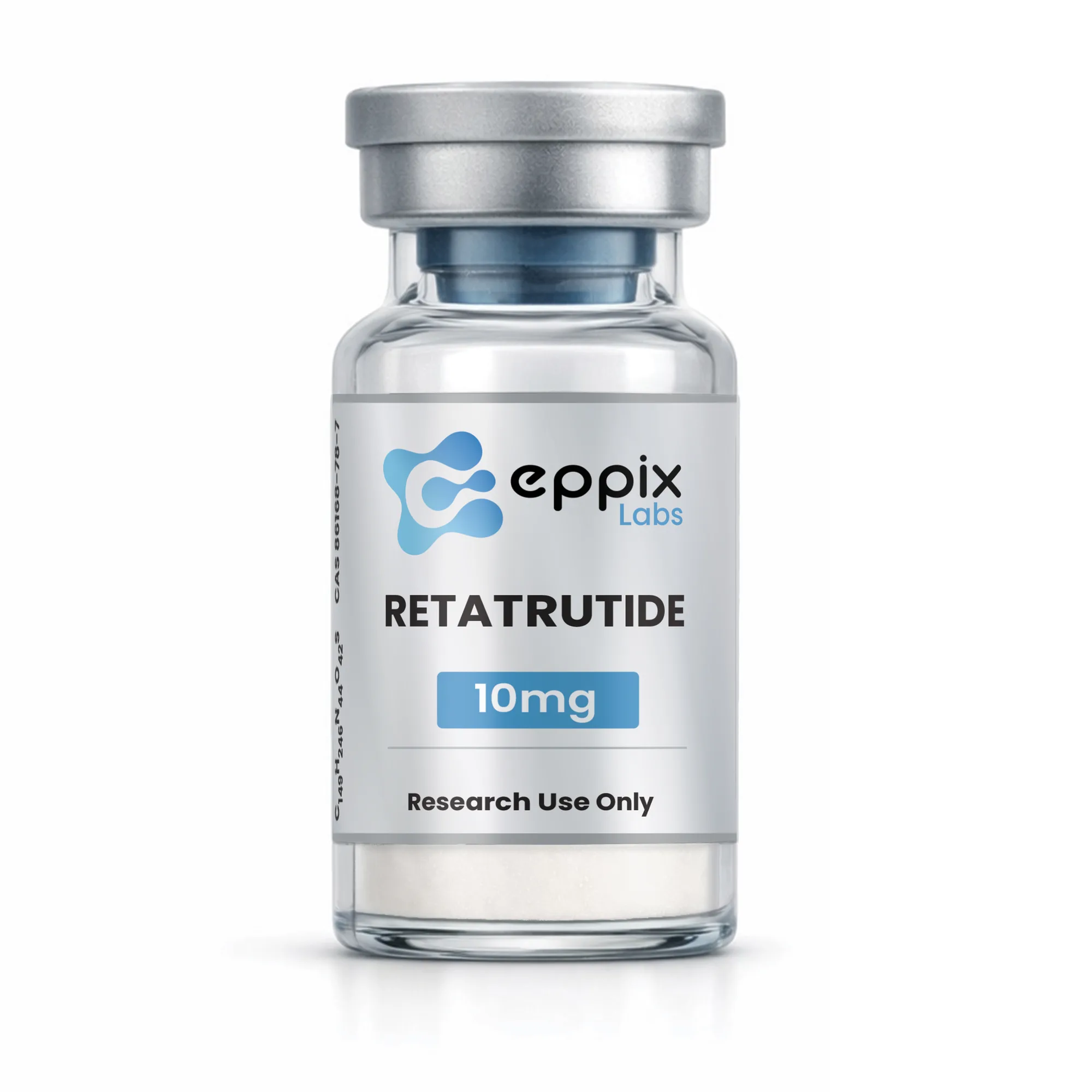
Triple GIP / GLP-1 / Glucagon Agonist · 10, 20, 40 & 120 mg
Retatrutide is a synthetic peptide developed for controlled laboratory research involving multi-receptor signaling systems. It is structurally designed to interact with GLP-1, GIP, and glucagon receptor pathways within experimental environments.
Dual GIP / GLP-1 Agonist · 10, 30 & 65 mg
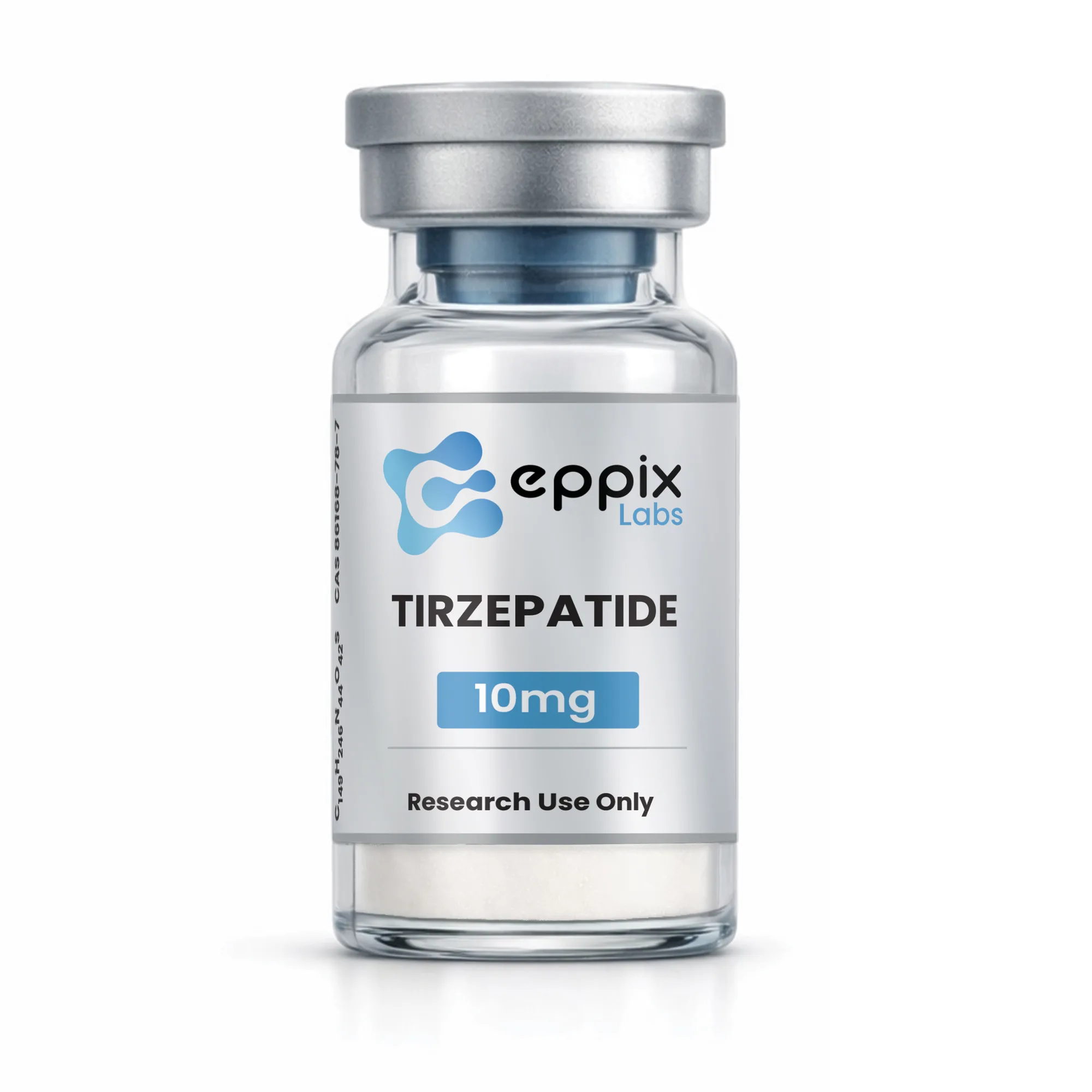
Tirzepatide is a synthetic peptide developed for controlled laboratory research involving dual incretin receptor signaling systems. It is structurally designed to interact with GLP-1 and GIP receptor pathways within experimental environments.
GLP-1 Receptor Agonist · 10 mg
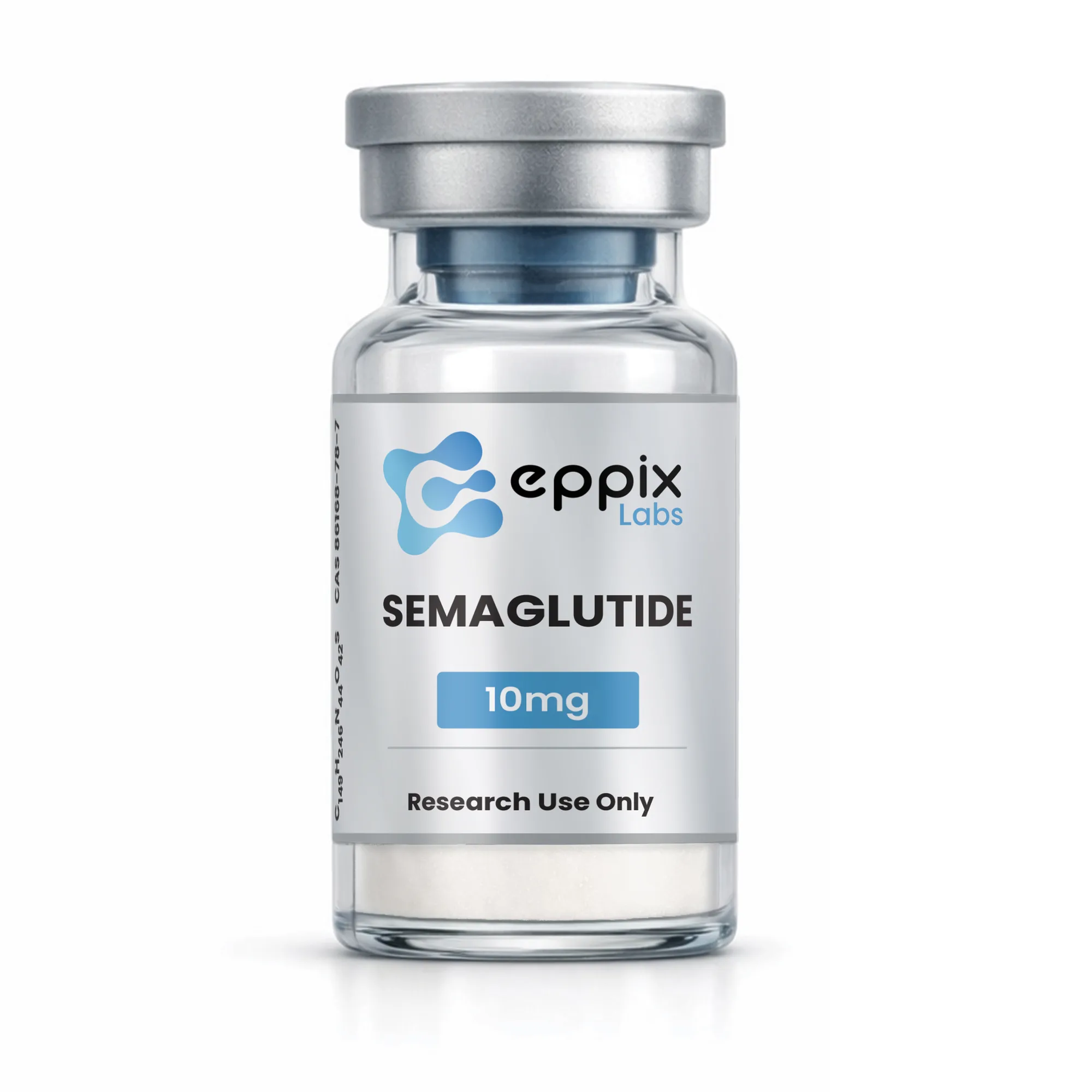
Semaglutide is a synthetic analogue of glucagon-like peptide-1 (GLP-1), a naturally occurring incretin hormone involved in glucose-dependent signaling. It is developed for controlled laboratory investigation within regulated experimental environments.
Selective Amylin Agonist (LY3841136) · 10 mg
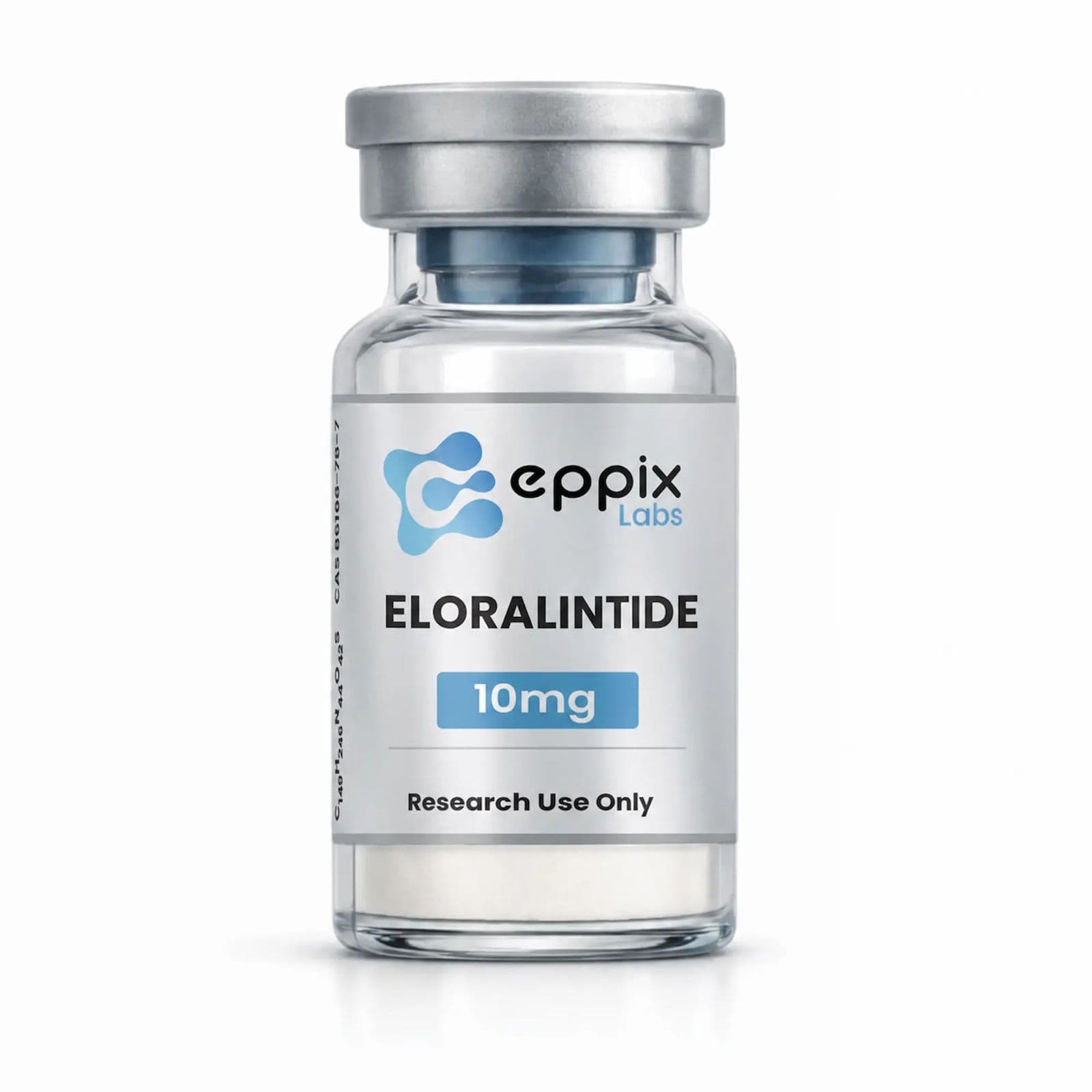
This product is supplied as eloralintide (LY3841136), a long-acting, selective amylin receptor agonist studied in research on metabolic and body-weight regulation.
Have questions about batch verification, documentation, or research specifications? Our team is available to assist with product and compliance inquiries.


 Eppix Flash Sale −30%